Crude oil prices moved higher in Asian trading on Tuesday as investors reacted to mounting uncertainty over unresolved negotiations between the United States and Iran, raising concerns that disruptions to global energy supplies could persist for an extended period. Regional stock markets meanwhile edged lower amid heightened geopolitical anxiety.
Brent crude futures advanced 30 cents to $104.51 per barrel, while U.S. West Texas Intermediate (WTI) crude gained 31 cents to trade at $98.38 by 0002 GMT. Both benchmarks had already climbed almost 3% in the previous session after signs emerged that diplomatic efforts aimed at ending the conflict were losing momentum.
Investor caution intensified after Donald Trump rejected Iran’s latest response to a U.S.-backed peace framework, calling Tehran’s position “totally unacceptable.” The remarks reinforced market expectations that instability across the Middle East could continue to threaten oil exports and shipping activity.
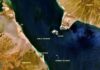
Energy traders remain particularly focused on the Strait of Hormuz, the strategic maritime corridor that normally handles roughly one-fifth of global oil and gas shipments. The passage has remained largely inaccessible since fighting erupted on February 28, severely disrupting tanker traffic and international supply chains.
Reports in U.S. media said Washington’s latest proposal included demands for the reopening of shipping lanes through the Strait of Hormuz and a halt to Iran’s uranium enrichment program. At the same time, Israeli Prime Minister Benjamin Netanyahu has insisted military operations cannot fully end unless Iran’s enriched uranium reserves are dismantled.
Although a ceasefire declared in early April has prevented a broader escalation, sporadic hostilities have continued. Trump later announced an indefinite extension of the truce on April 21, saying Iran had been granted additional time to submit what he described as a consolidated proposal.
Despite the temporary reduction in fighting, global oil prices have remained elevated, with Brent crude continuing to trade above the $100-per-barrel level since the ceasefire was introduced.
Analysts at JPMorgan Chase said oil prices were likely to stay above historical averages for much of the year, even if maritime traffic through the Strait of Hormuz resumes in the coming weeks. In a note issued Monday, the bank said disruptions involving tanker availability, refinery operations and broader logistics networks would continue to weigh on energy markets.
The bank added that supply conditions were unlikely to stabilize immediately after the reopening of the shipping route, warning that broader supply-chain complications could linger well beyond the restoration of tanker movement.
Major oil producers have already benefited from the sustained rise in crude prices. Saudi Aramco reported that first-quarter profits increased by more than 25% compared with a year earlier, helped by higher export prices and the company’s ability to divert shipments through its East-West pipeline to the Red Sea port of Yanbu.
Aramco chief executive Amin Nasser warned that the market fallout from the conflict could continue into 2027.
“Even if the Strait reopens immediately, balancing the market will take considerable time,” Nasser said, citing shortages of available tankers, constrained supply arrangements and reduced global inventories.
He estimated that nearly one billion barrels of crude had effectively been removed from global circulation since the conflict began, describing the scale of the disruption as without precedent in recent decades.
Executives at other major energy firms expressed similar concerns. Shell plc chief executive Wael Sawan said tightening supplies were being worsened by stranded cargoes and lost production volumes, while ExxonMobil CEO Darren Woods cautioned that the full impact of the ongoing disruption to global energy flows had not yet materialized.
Market observers said refiners across several Asian economies were already facing increasing pressure to secure crude supplies as uncertainty surrounding the Strait of Hormuz continued.
A Reuters survey also indicated that production by Organization of the Petroleum Exporting Countries declined by 830,000 barrels per day in April to 20.04 million barrels daily, highlighting the growing strain on regional output.
Analysts warned that even if shipping activity resumes in the near term, the shock to global energy markets has already triggered structural supply imbalances that may take a prolonged period to correct.

Muhammad Luqman is Associate Editor at Views News Now. He writes on wide-ranging issues including economy, South Asia, the Middle East, agriculture, economy and innovation. Luqman has worked some of the leading news organizations and won acclaim for his original and research-based works.