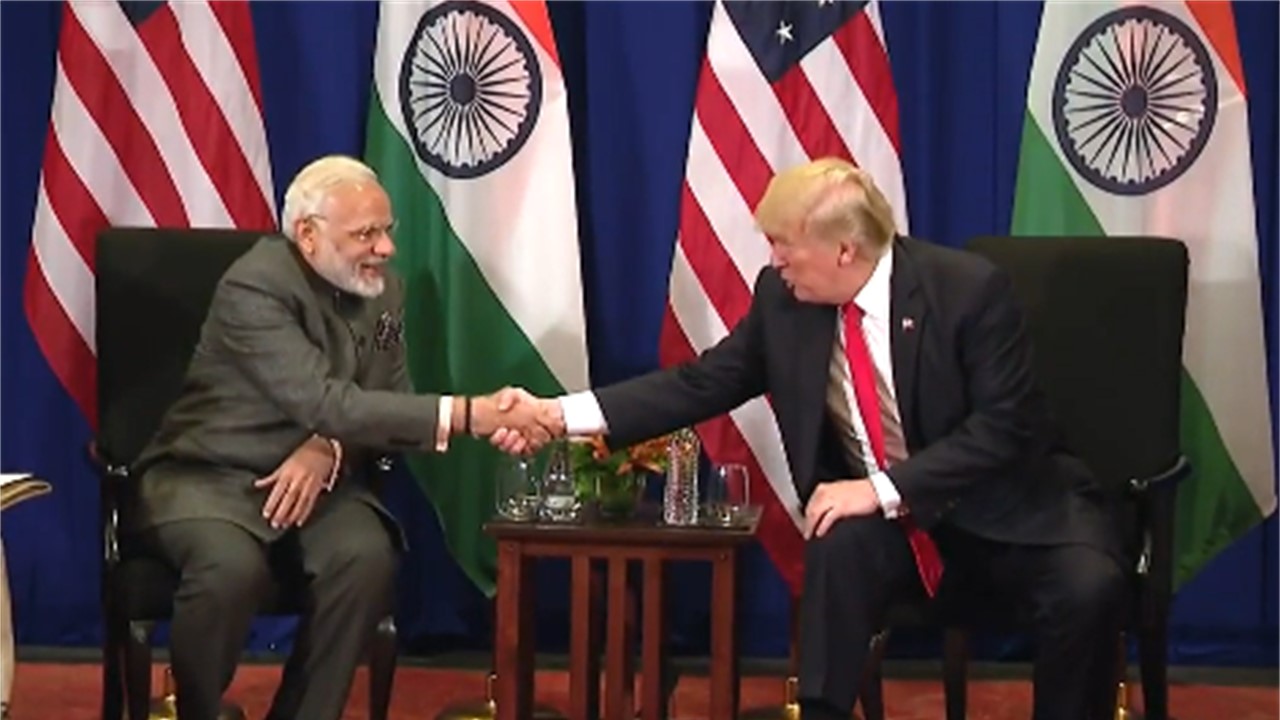
President Donald Trump’s America First doctrine has redefined U.S. trade and foreign policy. The recent imposition of 50 percent tariffs on Indian goods marks a decisive move to protect American workers, rebalance trade, and ensure reciprocal benefits. India, facing this recalibration, has launched a coordinated effort to sway U.S. opinion with its narrative through lobbying, diaspora political action committees, and a wave of strategically framed op-eds in leading U.S. newspapers. Washington’s America
These efforts attempt to highlight India’s importance while downplaying its history of trade surpluses and market barriers at America’s expense. Washington’s America
How far will India succeed in leveraging media influence and Beltway lobbying to soften U.S. policy is an open question because Washington is no long doing business as usual.
An important factor that is likely to determine the outcome of such effort would be Indian Prime Minister Narendra Modi’s strategic moves and their speed – moving closer to China and Russia. Washington’s America
Washington’s America
In key Asian strategic development, China, India rebuild ties amid US tariffs
Washington’s America
The Trump administration’s decision in August 2025 to double tariffs on Indian imports to 50 percent shocked observers and rattled markets. Critics immediately portrayed this as a crisis in U.S.–India relations. Yet, from an America First perspective, the move underscored a consistent principle: trade with the United States must be fair, reciprocal, and aligned with American interests. Washington’s America
India, long a beneficiary of U.S. market access, responded not only with diplomatic protests but also with a media and lobbying campaign aimed at reshaping elite opinion in Washington. Washington’s America
From all perspectives, it is a tall order as the prevalent view is that Trump’s tariff realignment remains the correct path for American strength.
The Tariff Shock and Its Implications
On August 27, 2025, the administration enforced sweeping 50 percent tariffs on Indian goods including textiles, gems, and automobiles. This decision followed earlier tariff hikes of 25 percent and came amid mounting U.S. frustration over India’s continued oil trade with Russia. While outlets such as The Washington Post called this ‘a low moment’ in bilateral relations, the tariffs highlighted a deeper reality: India has enjoyed preferential access while restricting American companies from entering its markets on equal terms.
The tariffs also forced a debate within policy circles: should the U.S. continue granting India strategic exceptions, or should America First principles prevail regardless of geopolitical sentiment?
Lobbying and Beltway Influence
India has responded to tariffs with a sharp increase in lobbying expenditures. The Indian Embassy engaged Mercury Public Affairs, a firm with Trump-linked leadership, at $75,000 per month. Simultaneously, New Delhi retained Jason Miller, a former Trump adviser, for $1.8 million annually to manage messaging and influence. These efforts dwarf similar moves by Pakistan, which retained Keith Schiller for a far smaller sum.
US-India Narrative

Beyond direct lobbying, Indian American PACs such as the U.S.–India Political Action Committee (USINPAC) and organizations like the Hindu American Foundation (HAF) could play an important role in shaping congressional debate. Such efforts were noticeable on the U.S.–India nuclear deal to more recent tariff disputes, as these groups amplified India’s narrative and cultivate bipartisan support. Policymakers must recognize that this activity, while legal, represents a sophisticated influence operation. Washington’s America
The Media Strategy—Op-Eds as Soft Power
In parallel, Indian interests have turned to America’s opinion pages. Some mainstream newspapers could publish columns and editorials framing India as an indispensable democratic ally whose estrangement would drive it toward China and Russia. Former U.N. Ambassador Nikki Haley even warned that losing India would be a ‘strategic disaster.’ These arguments, however, often omit India’s longstanding trade surpluses with the U.S. and its persistent protectionist practices. Washington’s America
By shaping elite discourse through op-eds and commentary, India seeks to pressure the administration into reversing tariff policy, using soft power, designed to cultivate doubt about America First strategies. Washington’s America
America First vs Strategic Persuasion
President Trump’s America First doctrine is not anti-alliance; it is pro-reciprocity. The record shows that India has benefited disproportionately from U.S. trade while offering limited concessions in return. For decades, India imposed high tariffs on American goods, while its exports entered the U.S. market with relative ease. This imbalance is precisely what the tariff hikes are intended to address. Washington’s America
US-India Narrative
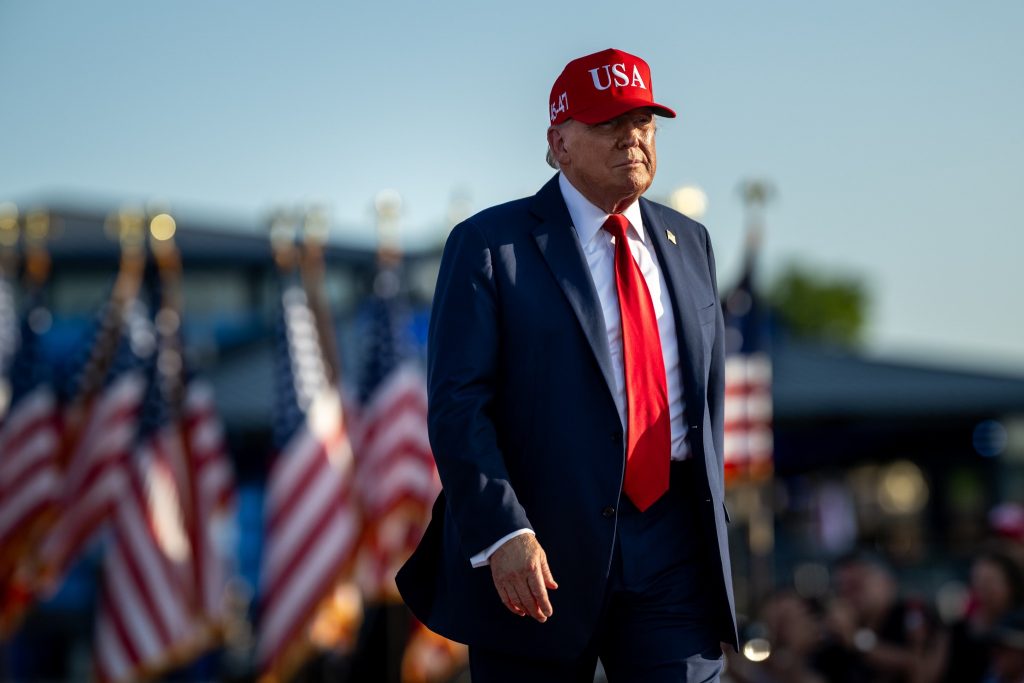
India’s lobbying and media strategies are designed to present the country as indispensable. Yet indispensability must be proven through action, not narrative. The thinking in Washington is that if India wishes to retain its role as a key U.S. partner, it must demonstrate reciprocity by opening markets, align with U.S. energy sanctions against Russia, and ensuring that partnerships generate tangible benefits for American workers.
Conclusion
India’s use of lobbying firms, PACs, and op-eds illustrates a coordinated attempt to sway Washington policymakers and soften the blow of tariffs. Yet President Trump’s America First vision stands as a corrective to decades of imbalance. By insisting on reciprocity and fairness, the administration is not undermining a partnership but redefining it in a way that serves U.S. workers, industries, and taxpayers. Policymakers and opinion leaders must evaluate these influence campaigns with clarity: America’s strength lies not in being persuaded by foreign narratives, but in setting the terms of engagement that truly make America great again.
Follow for more: Twitter (X) | Facebook | Instagram | LinkeIn

Imran Igra is a political analyst and international affairs strategist based in Washington, D.C. He is the president of the Overseas Pakistanis Society and founder of Horus Strategies.