The ongoing conflict in the Middle East is reshaping global energy flows, boosting the United States’ position as a key supplier as buyers in Asia and Europe scramble to secure alternative shipments of crude oil, natural gas and refined fuels.
U.S. exports of crude oil and petroleum products surged to a record 12.9 million barrels per day last week, according to data from the U.S. Energy Information Administration.
The Iran war disruption is being described by the International Energy Agency as one of the most severe energy shocks in modern history, with recent estimates suggesting that up to 10–12 million barrels per day—roughly a tenth of global supply—has been affected.
Trade across the energy-rich Gulf region has been severely affected as the Strait of Hormuz remains off-limits to international shipping.
Iran War Triggers Risk of Strategic Minerals Crunch https://t.co/urcBlftOTv via @ViewsNewsNow #IranWar #StraitofHormuz #Minerals #oil #shipping pic.twitter.com/8jPQdbksKJ
— Views&News (@ViewsNewsMag) April 25, 2026
The surge underscores the United States’ transformation into a major net energy exporter, a structural shift reinforced by rising production and export capacity, as highlighted in recent coverage by The Wall Street Journal.
Liquefied natural gas (LNG) exports have also climbed sharply, reaching record levels, according to Kpler, as global buyers seek to offset disrupted supplies.
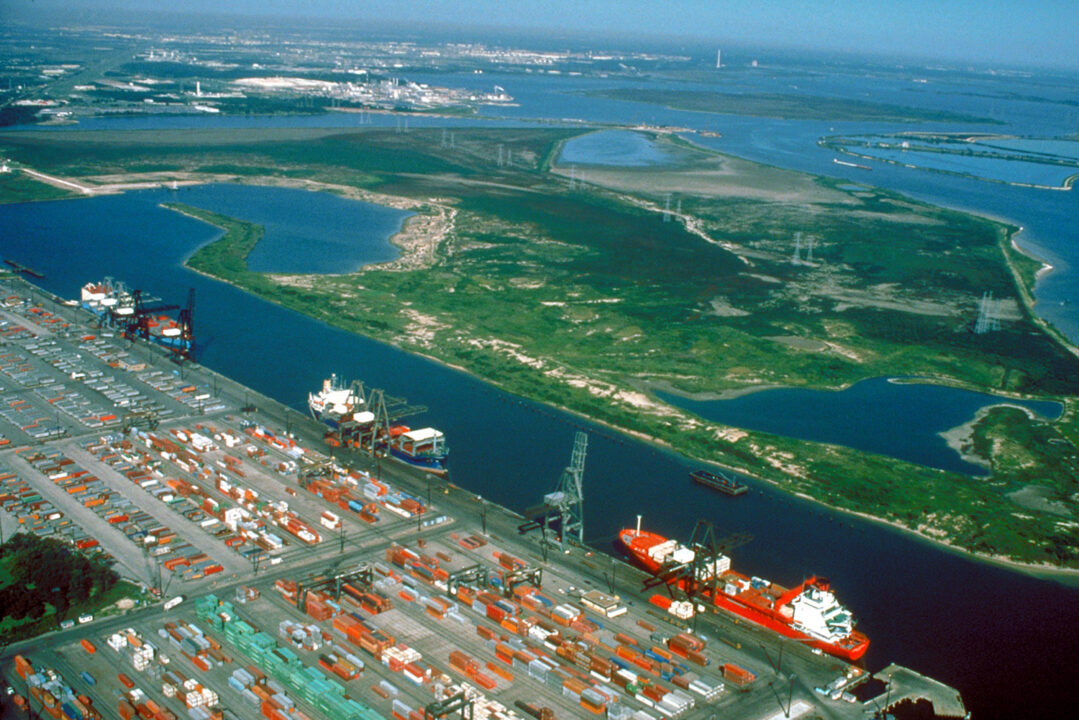
Shipping patterns point to further gains. More than 60 empty crude supertankers were headed toward the U.S. Gulf Coast by midweek—roughly triple pre-conflict levels—signaling that export volumes are likely to remain elevated in the near term.
Disruptions in Hormuz Drive Global Supply Shift
The spike in U.S. exports comes as supply routes through the Strait of Hormuz, a key channel for one fifth of global fuel exports, remain constrained, limiting access to energy from the Gulf.
An estimated 10 million barrels per day—around 10% of global oil supply—remain stranded in the waterway, intensifying competition for alternative sources.
Global Supply Chain Disruptions Persist Despite US-Iran Ceasefire Extension
The current crisis is different from any past crises in that it is simultaneously disrupting oil, gas, refined fuels and key industrial inputs, amplifying its impact across multiple sectors of the global economy, according to Reuters.
The United States has also stepped in to supply critical products such as jet fuel and cooking fuel, both heavily affected by the conflict.
Asia and Europe Pivot to U.S. Supplies
Asia, the region most dependent on Middle Eastern energy, has moved quickly to diversify. Countries such as Japan—which sources the vast majority of its oil from the region—are strengthening ties with U.S. suppliers.
Recent trade data shows U.S. fuel exports rising sharply, with shipments increasing by around 27% to Europe and more than doubling to Asia, according to market reporting cited by Reuters.
In March, U.S. firms also signed $56 billion worth of energy agreements with Asian investors at a Tokyo forum, underscoring the scale of the shift.
How China, a Major Buyer of Iranian Oil, Is Shielding Itself from War Disruptions
According to Kpler, U.S. crude and LNG exports to Asia rose by about 30% in March and April compared with the same period last year.
In Europe, dependence on U.S. energy is also deepening. The European Union already relies on the United States for roughly 60% of its LNG imports, a trend that accelerated after reduced Russian gas flows following the Russia-Ukraine War.
Structural Constraints and Emerging Risks
Despite the surge, analysts caution that sustaining elevated export levels could prove difficult.
Many Asian refineries are configured to process heavier Middle Eastern crude, making U.S. light crude less efficient without costly upgrades.
At the same time, export infrastructure along the U.S. Gulf Coast is approaching capacity limits. While new LNG terminals are coming online, full output is not expected for several years.
If supply conditions stabilize in the Gulf, the current price advantage for U.S. exports could narrow, potentially easing demand.
A More Volatile Global Energy Order
Analysts say the crisis reflects a broader structural shift toward a more fragmented and volatile global energy system, marked by repeated supply disruptions and intensified competition for resources, according to recent analysis reported by Reuters.
The growing reliance on U.S. energy has also introduced a geopolitical dimension, with Washington signaling that access to LNG supplies could play a role in broader trade negotiations.
At the same time, the crisis is highlighting the limits of existing supply chains, as countries increasingly move to diversify sources, build strategic reserves and reduce exposure to geopolitical risk.
For now, with inventories tight and alternatives limited, demand for U.S. energy is expected to remain strong—even as structural constraints and shifting market dynamics continue to shape the outlook.

Muhammad Luqman is Associate Editor at Views News Now. He writes on wide-ranging issues including economy, South Asia, the Middle East, agriculture, economy and innovation. Luqman has worked some of the leading news organizations and won acclaim for his original and research-based works.