A record number of women and girls are living near deadly conflict zones, facing unprecedented levels of violence, exclusion, and hardship, according to the 2025 UN Secretary-General’s report on Women, Peace and Security (WPS) released this week. Growing Number Of Women
The report finds that 676 million women now live within 50 kilometers of active conflict, the highest number since the 1990s. With 59 active state-based conflicts currently underway—the most since 1945, according to the Global Peace Index—the risks to women and girls have sharply escalated.
“Women and girls are being killed in record numbers, shut out of peace tables, and left unprotected as wars multiply,” said Sima Bahous, Executive Director of UN Women. “Women do not need more promises. They need power, protection, and equal participation.”
Civilian Casualties and Violence Surge
Civilian casualties among women and children have quadrupled compared to the previous two-year period. Meanwhile, conflict-related sexual violence surged by 87%, painting a grim picture of the growing toll of war on women.
With active conflicts at its highest level since 1946, the role of women in peacebuilding is more important than ever.
Alongside women on the ground, @UN_Women is uplifting women’s leadership to realize a peaceful world #ForAllWomenAndGirls.
Learn more: https://t.co/T1A7utuK6Q pic.twitter.com/SP1pwpGnT7
— UN Women (@UN_Women) October 19, 2025
UN Women Deputy Executive Director Nyaradzayi Gumbonzvanda emphasized that the statistics reveal “a story of unfulfilled promises,” adding that many women’s organizations operating on the frontlines are being forced to scale back or shut down due to a lack of funding.
25 Years Since Resolution 1325 — Gains Now at Risk
This year marks the 25th anniversary of UN Security Council Resolution 1325, the landmark WPS agenda that affirmed the vital role of women in conflict prevention, peacebuilding, and post-conflict recovery.
While global consensus around women’s participation in peace processes has grown—with positive examples cited from Colombia, Liberia, and the Philippines—the report warns that progress is stalling or reversing.
UN Secretary-General António Guterres, addressing the Security Council’s annual open debate on WPS earlier this month, said that although advances had been made over the past quarter century, “gains are fragile and – very worryingly – going in reverse.”
Women’s Participation in Peace Processes Remains Marginal
Despite international commitments, data from 2020 to 2024 shows women remain largely absent from formal peace processes:
- Women made up just 7% of negotiators worldwide last year.
- Nearly 90% of peace talks included no women negotiators at all.
- Women comprised 14% of mediators, but two-thirds of mediation efforts still did not include any women.
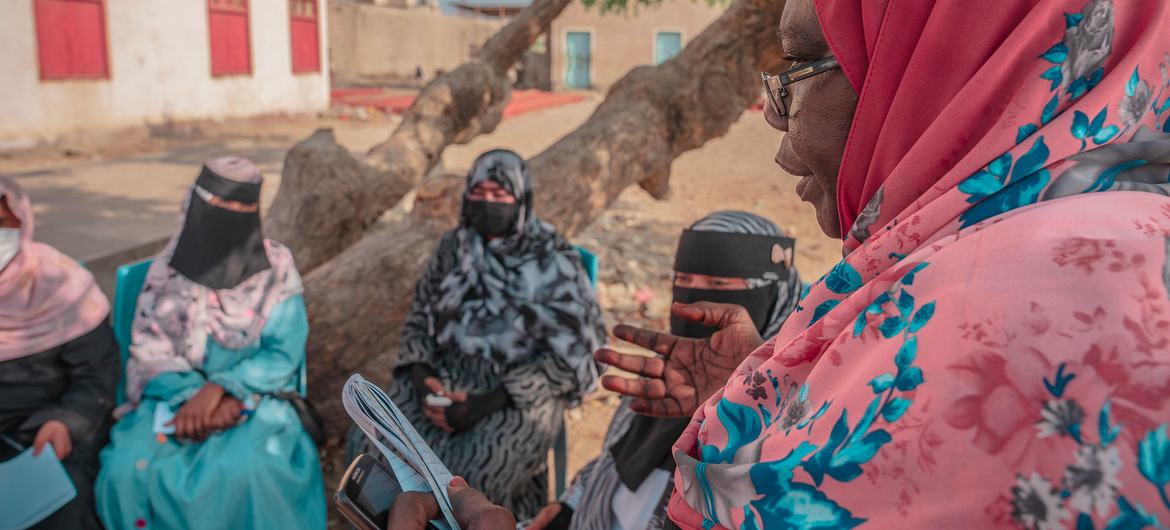
Even in promising efforts—such as recent negotiations in Yemen, where women leaders successfully secured access to natural resources—such involvement remains the exception, not the norm.
Call for Action: Funding, Accountability, and Quotas
The report calls for binding targets and quotas to ensure women’s participation in peace efforts, alongside increased accountability for gender-based crimes and stronger funding for women-led organizations.
“If the current trend continues,” warned Sarah Hendriks, UN Women’s Policy Division Director, “progress made on women’s rights over the past two decades risks being erased.”
She concluded: “The evidence is clear: when women lead and when their organizations are resourced, peace is more possible, recovery is faster, and societies are stronger.”
Follow for more: Twitter (X) | Facebook | Instagram | LinkeIn

Huma Nisar is Associate Editor at Views and News. She also writes opinion articles on health, society and diet.