The United States has imposed sweeping sanctions on Russia’s two largest oil producers, Rosneft and Lukoil, in a bid to choke off the Kremlin’s wartime revenue and increase pressure over its ongoing invasion of Ukraine. Russia’s oil
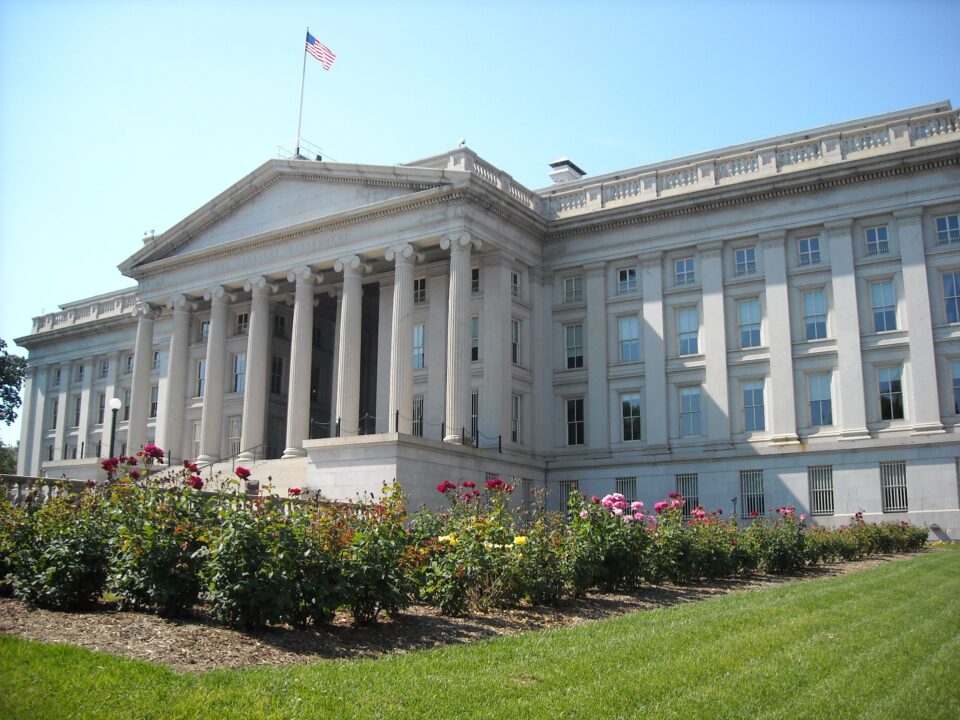
The U.S. Treasury Department announced the measures on Wednesday, citing Moscow’s “continued aggression” and “lack of serious commitment” toward peace talks as President Donald Trump called for an immediate end to Ukraine war.
“Now is the time to stop the killing and for an immediate ceasefire,” said Secretary of the Treasury Scott Bessent.
“Given President Putin’s refusal to end this senseless war, Treasury is sanctioning Russia’s two largest oil companies that fund the Kremlin’s war machine. Treasury is prepared to take further action if necessary to support President Trump’s effort to end yet another war. We encourage our allies to join us in and adhere to these sanctions,” he said.
The sanctions aim to hit Russia’s most vital export sector — crude oil — while allowing companies until November 21 to wind down transactions to avoid immediate market disruptions.
However, China and India, the two largest buyers of Russian oil are watching closely as President Donald Trump’s administration moves ahead with enforcement of sanctions.
Trump to Putin and Zelenskyy: Declare Victory, End Ukraine War, and Let History Decide
The move signals President Trump’s tough approach to pressuring Moscow into ending the Ukraine war, which will soon enter its fourth year.
The sanctions mark Washington’s most significant steps yet against Russia’s energy industry, the financial backbone of its economy.
Impact on Asia’s Energy Markets
The new restrictions could send ripples through Asia’s oil markets, particularly in China and India, Russia’s biggest post-2022 customers and energy-guzzling economies.
While U.S. officials have calibrated the action to avoid a global oil shock, supply adjustments and compliance risks are expected in the weeks ahead.
Trump says ‘great progress’ made in talks with Putin toward ending Ukraine war
Together, Rosneft and Lukoil account for roughly half of Russia’s four million barrels per day in crude exports. Since the West imposed a price cap on Russian oil in 2022, those volumes have largely shifted to Asia, with China importing about two million barrels per day and India around 1.6 million barrels as of September, according to energy analytics firms.
If the sanctions are followed through strictly, Asian buyers from Rosneft and Lukoil might face tough choices.
India Faces Refining Headaches
The sanctions could immediately affect India’s state-run and private refiners, many of which are heavily reliant on discounted Russian crude.
India is already facing challenges in the wake of punishing U.S. tariffs over its huge purchases of Russian oil – which Washington sees as fueling President Vladimir Putin’s war on Ukraine.
Companies including Indian Oil, Bharat Petroleum, Hindustan Petroleum, Reliance Industries, and ONGC are now reviewing procurement chains for compliance, industry officials said.
Trump warns ‘massive’ US tariffs on India to stay If Russian oil imports continue
The challenge is compounded by Rosneft’s 49% stake in Nayara Energy, operator of the vast Vadinar refinery in Gujarat.
Nayara could struggle to both secure crude supplies and market refined fuels under the new restrictions.
According to President Trump, Indian Prime Minister Narendra Modi has assured him of drastic cuts in Russian oil commerce.
New Delhi faces the question whether to abandon some long-term seaborne contracts, though China’s pipeline imports from Rosneft could remain largely insulated due to separate supply arrangements.
China Expected to Proceed Cautiously
In China, state-owned CNPC and other refiners are also expected to tread carefully. CNPC’s pipeline deliveries from Rosneft are covered by long-term agreements, but its lack of binding seaborne contracts offers limited flexibility to adjust supplies if enforcement tightens.
It’s not clear yet how China, the world’s second largest economy, will respond to implications including the possibility of a slowdown in economic activity in the face of U.S. sanctions.
Trump is expected to strike deals with Chinese President Xi Jinping during the visit.
Indian Prime Minister Narendra Modi will not travel to Malaysia for the summit, as per the latest announcement in New Delhi, indicating a cautious approach to the event, where leaders of the two largest economies and most influential countries would meet.
Experts say a total halt to Russian oil exports is unlikely, but temporary disruptions are expected as traders navigate restrictions on shipping, insurance, and payments — the logistical pillars of global crude trade.
“Washington wants to increase the cost and complexity of Russia’s oil trade without triggering a new oil crisis,” said Bob McNally, president of Rapidan Energy Group, according to a Reuters report. “The goal is to drain Moscow’s profits, not the world’s energy supply.”
Follow for more: Twitter (X) | Facebook | Instagram | LinkeIn

Kiran Asim is a writer who covers the U.S., Europe, South Asia, and the Middle East. Her reports and analyses look at the geostrategic issues and contemporary developments and their economic and political implications. She also writes about society and education.