President Donald Trump has signaled reservations about an Iranian proposal aimed at reopening the Strait of Hormuz and halting hostilities, as diplomatic efforts to ease tensions in the region remain uncertain.
According to U.S. officials familiar with the matter, Trump was briefed on the plan—conveyed through Pakistani mediators—which outlines a phased approach to de-escalation. The proposal calls for the United States to lift its maritime restrictions and move toward ending the conflict, while postponing negotiations over Iran’s nuclear program to a later stage.
Senior members of the administration reviewed the proposal during a meeting of Trump’s national security team in the White House Situation Room on Monday.
However, officials told The New York Times that the plan lacks clarity on how Tehran would address concerns surrounding its nuclear activities—an issue Washington has consistently identified as central to any long-term agreement.
Iran has repeatedly rejected U.S. demands to halt uranium enrichment, maintaining that its program is permitted under international law and declining to relinquish existing enriched material.
Stalemate Persists Amid Competing Blockades
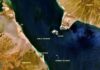
The diplomatic impasse comes as both sides continue to enforce rival restrictions in the Gulf. U.S. naval forces are maintaining a blockade on Iranian-linked maritime traffic, while Tehran has effectively disrupted international shipping through the Strait of Hormuz—a critical artery that carries roughly one-fifth of global oil supplies.
The resulting standoff has not only stalled commercial shipping but also intensified pressure on global energy markets.
Trump Says Iran Can Call for Talks, Pakistan to Remain Involved as Mediator
According to Axios, which first reported details of the proposal, Iran’s plan envisions extending or formalizing a ceasefire, with nuclear negotiations to follow only after maritime access is restored and restrictions eased.
Washington Skeptical as Direct Talks Stall
Despite the diplomatic outreach, skepticism remains within the U.S. administration. Officials cited by The New York Times said it was unclear what specific elements of the proposal had drawn Trump’s concern, though the president has consistently maintained that Iran must not be allowed to develop nuclear weapons.
One U.S. official suggested that accepting a framework lacking firm nuclear commitments could undermine Washington’s negotiating position.
Trump Cancels Witkoff, Kushner Trip to Pakistan for US-Iran Talks
“The United States will not negotiate through the press — we have been clear about our red lines,” White House spokesperson Olivia Wales said, adding that any agreement must serve both American interests and broader global stability.
The latest proposal follows an earlier Iranian initiative rejected by Washington, after which the Trump administration canceled planned talks in Islamabad. U.S. officials said Tehran had not authorized its negotiators to make concessions on nuclear issues, complicating prospects for progress.
Economic Pressure and Strategic Calculations
Within the administration, debate is intensifying over how long Iran can sustain the economic strain resulting from the standoff. The disruption to oil exports—Tehran’s primary revenue source—has created mounting logistical and financial challenges.
According to officials cited by The New York Times, Iran’s oil production is approaching storage limits, raising the risk of operational damage if output is curtailed.
Some policymakers believe these pressures could eventually push Tehran toward a more flexible negotiating position.
Russia Signals Support for Diplomacy
Amid the ongoing tensions, Vladimir Putin said Moscow is prepared to support efforts toward a political settlement.
Speaking after talks in St. Petersburg with Iranian Foreign Minister Abbas Araghchi, Putin said Russia would do “everything in its power” to promote peace and assist Iran in navigating the crisis.

Iftikhar Ali is a veteran Pakistani journalist, former president of UN Correspondents Association, and a recipient of the Pride of Performance civil award