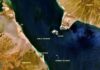
Pakistan has continued transporting non-Iranian crude through the Strait of Hormuz after securing rare transit access from Tehran, as the country moves to prevent a rapid depletion of energy reserves amid the expanding Iran war.
Pakistan is among the few countries that Iran has allowed to pass through the strategic waterway despite heightened wartime restrictions. Over the weekend, a Pakistani oil tanker successfully navigated the heavily militarized maritime corridor.
According to vessel-tracking firm MarineTraffic, the tanker identified as Karachi, carrying crude oil from Abu Dhabi, passed through the Strait of Hormuz on Sunday and was later sailing in the Gulf of Oman.
Separately, a ship operated by the Pakistan National Shipping Corporation (PNSC) traveled last week to Saudi Arabia’s Yanbu port to load about 73,000 tons of crude oil. Another PNSC vessel secured oil supplies from the United Arab Emirates’ Fujairah port.
Pakistan launches maritime operation to safeguard energy supplies, trade routes
Amid growing international anxiety over oil trade and soaring energy prices, U.S. President Donald Trump is seeking international support to keep the Strait of Hormuz open, even as the U.S. and Israeli continue to pound Iranian targets.
Islamabad has been walking a diplomatic tightrope as the Iran conflict widens, maintaining ties with both Iran and Saudi Arabia while seeking to safeguard its energy imports.
Pakistan remains among the few countries able to secure Gulf oil shipments through the Strait of Hormuz as well as Saudi supplies transported through the Red Sea.
Analysts say Pakistan’s continued access to the route reflects its longstanding diplomatic ties across the Gulf region. Islamabad maintains close political, economic and security relationships with Saudi Arabia, Iran and several Gulf states, and has largely avoided aligning with any military bloc in the conflict.
Trump Hopes Countries Will Join Effort to Keep Strait of Hormuz Open as Iran Expands Retaliation
This balanced approach has allowed Pakistan to sustain dialogue with Tehran while also preserving strong strategic partnerships with Riyadh and other Gulf capitals that supply most of its energy needs.
Shipping through the Strait of Hormuz has been sharply curtailed since the escalation of the Iran war, with industry estimates showing only two to three tankers crossing the waterway daily compared with the usual 30–35 vessels.
The strait normally carries around one-fifth of global oil shipments, making disruptions a major risk for energy markets.
Amid the heightened security environment, Pakistan has also launched a naval escort mission, Operation Muhafiz-ul-Bahr, to safeguard maritime trade routes and protect national shipping carrying energy supplies through the Arabian Sea and surrounding waters.
The operation involves naval escorts for merchant vessels in coordination with the Pakistan National Shipping Corporation to ensure safe passage during the crisis.
Tehran has tightened maritime transit restrictions for countries it considers allies of the United States after Washington, in coordination with Israel, launched strikes on Iranian targets on Feb. 28.
Iran — long locked in a standoff with the West over its nuclear program — has retaliated against U.S. and Israeli actions with strikes targeting energy infrastructure in several Gulf states, accusing them of assisting Washington.
Pakistan’s government said Monday that the country currently holds petrol reserves sufficient for 27 days and diesel reserves for 21 days.
Petroleum Secretary Hamed Yaqoob Sheikh disclosed the figures during a parliamentary committee meeting after Islamabad announced a Rs55 per litre increase in the prices of petrol and high-speed diesel.
Economic Targets in the Crosshairs as US, Israel Strike, Iran Widens Retaliation
Pakistan’s jet fuel (JP-1) reserves can meet demand for about 14 days, while crude oil stocks cover roughly 11 days and liquefied natural gas (LNG) reserves about nine days.
Nearly 70 percent of Pakistan’s petrol imports originate from the Middle East, leaving the country exposed to price shocks and supply disruptions caused by escalating regional tensions.
Global crude prices also remain elevated amid the conflict, with Brent crude trading around $103–$105 per barrel and U.S. West Texas Intermediate (WTI) near $97–$100, as fears of supply disruptions and tensions around the Strait of Hormuz keep markets on edge.

Muhammad Luqman is Associate Editor at Views News Now. He writes on wide-ranging issues including economy, South Asia, the Middle East, agriculture, economy and innovation. Luqman has worked some of the leading news organizations and won acclaim for his original and research-based works.