As drivers fill up for summer road trips and air conditioners blast full tilt, a stark warning is coming from the world’s top energy watchdog: the global oil market is heading straight into the “red zone” in July and August.
International Energy Agency Executive Director Fatih Birol delivered the sobering message during a speech at Chatham House in London, pointing to the dangerous combination of peak seasonal demand, vanishing new supplies from the Middle East, and rapidly depleting commercial inventories.
This isn’t theoretical alarmism. It is the direct fallout from the ongoing U.S.-Israeli war with Iran, which has already triggered the largest supply disruption in the history of the global oil market.
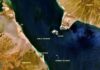
The latest developments in U.S.-Iran talks and President Donald Trump’s statements indicate increased prospects for progress toward an agreement on ending the war but the situation in the Strait of Hormuz remains turbulent with hundreds of ships stranded and just a
From Surplus Shock Absorber to Rapid Drawdown
When the conflict erupted in late February 2026 and the Strait of Hormuz effectively closed, the world entered the crisis with a comfortable oil surplus. That buffer helped cushion the initial blow. But now, commercial stocks are eroding fast.
Birol noted that inventories built up before the war are being drawn down aggressively, leaving markets increasingly vulnerable as we head into the high-demand summer months.
Oil Markets Rise as Deadlocked US-Iran Talks Deepen Supply Fears
The numbers tell a worrying story. The IEA estimates that cumulative oil supply losses from Gulf producers now exceed 1 billion barrels, with more than 12-14 million barrels per day of production knocked offline at various points. Even partial reopening of the Strait have not restored flows to pre-war levels.
Peak Summer Demand Meets a Tightening Noose
July and August traditionally mark the pinnacle of global oil consumption, driven by driving season in the Northern Hemisphere, increased electricity demand for cooling, and refinery maintenance cycles.
With no significant new exports coming online from the war-affected Middle East and stocks running lower, Birol warned the market could slip into critically tight territory. He stopped short of predicting exact price spikes but left little doubt about the direction.
Disruptions to shipping flows through the Strait of Hormuz continue to have major implications for energy markets worldwide.
Our new interactive data tool looks at the reliance of different countries on oil & gas supplies from the Middle East 👉 https://t.co/WdC1L5wYXr pic.twitter.com/sJYeThNfg8
— International Energy Agency (@IEA) May 21, 2026
This comes after the IEA coordinated one of the largest-ever releases of strategic petroleum reserves earlier in the crisis — around 400 million barrels — to stabilize markets. Those reserves, however, are not infinite, and Birol has repeatedly stressed they are only a temporary bridge, not a permanent fix.
Broader Context: The Historic Nature of This Shock
The Iran conflict has already surpassed the 1970s oil crises in scale of disruption, according to Birol himself. Daily losses have at times exceeded 13 million barrels per day, far beyond previous shocks. LNG flows have also dropped sharply, compounding energy security headaches worldwide.
The crisis is accelerating longer-term shifts too. Birol has noted that repeated supply shocks are eroding trust in fossil fuels, likely hastening the global push toward renewables, nuclear power, and electrification — changes that could permanently dent future oil demand.
Event | Dr Fatih Birol, IEA Executive Director, on the Strait of Hormuz crisis and global energy security@fbirol (@IEA) offers his assessment at Chatham House on the impact of the Iran war on global energy markets and trade.
Watch the livestream⤵️https://t.co/neuHL9TRjV
— Chatham House (@ChathamHouse) May 21, 2026
What Lies Ahead: Turbulent Waters or Turning Point?
If the conflict drags on or Hormuz disruptions persist, the IEA sees the market remaining undersupplied through at least the third quarter of 2026, with a possible modest surplus only returning late in the year if flows normalize. Prices, already volatile and frequently above $100 per barrel, could face fresh upward pressure this summer, hitting consumers, airlines, and industries hard.
The silver lining, if any, is that governments and the IEA stand ready to act with further reserve releases or demand-side measures if needed. But Birol’s core message is clear: strategic reserves can buy time — they cannot replace diplomacy and a swift resolution to the underlying conflict.

Kiran Asim is a writer who covers the U.S., Europe, South Asia, and the Middle East. Her reports and analyses look at the geostrategic issues and contemporary developments and their economic and political implications. She also writes about society and education.