The World Health Organization (WHO) has said the recent hantavirus outbreak aboard the Dutch cruise vessel MV Hondius does not signal the beginning of a pandemic, despite ongoing international efforts to trace passengers who recently disembarked from the ship.
According to the WHO, five of the eight suspected infections linked to the vessel have been confirmed. Three people have died, including a 69-year-old Dutch woman who tested positive for the virus. Her husband and a German woman also died, although investigations are continuing to determine whether their deaths were directly linked to the outbreak.
The UN health agency said the cases involve the Andes strain of hantavirus — one of the few known variants capable of limited human-to-human transmission. Hantaviruses are typically spread through contact with infected rodents or exposure to contaminated urine, saliva, or droppings. The WHO noted that this is the first documented instance of hantavirus transmission aboard a ship.
Hantaviruses are zoonotic viruses that naturally infect rodents and can occasionally spread to people.
Here’s what you need to know about #hantavirus: What they are, how they spread, the symptoms, and how to prevent infection pic.twitter.com/pduUjlwl2j
— World Health Organization (WHO) (@WHO) May 8, 2026
Hantaviruses are rodent-borne pathogens that can cause severe and potentially fatal illness in humans. In the Americas, infections may lead to hantavirus cardiopulmonary syndrome (HCPS), a rapidly progressing disease affecting the lungs and heart. In Europe and Asia, hantaviruses are more commonly associated with hemorrhagic fever with renal syndrome (HFRS), which primarily affects the kidneys and blood vessels.
Although there is no specific antiviral treatment or approved vaccine for hantavirus infections, health experts say early diagnosis and intensive supportive care can significantly improve survival rates. Treatment typically focuses on managing respiratory, cardiac, and kidney complications.
The WHO stressed that hantavirus infections remain relatively rare worldwide, though fatality rates vary widely depending on the strain and region. Mortality rates range from below 15 percent in parts of Europe and Asia to nearly 50 percent in some areas of the Americas.
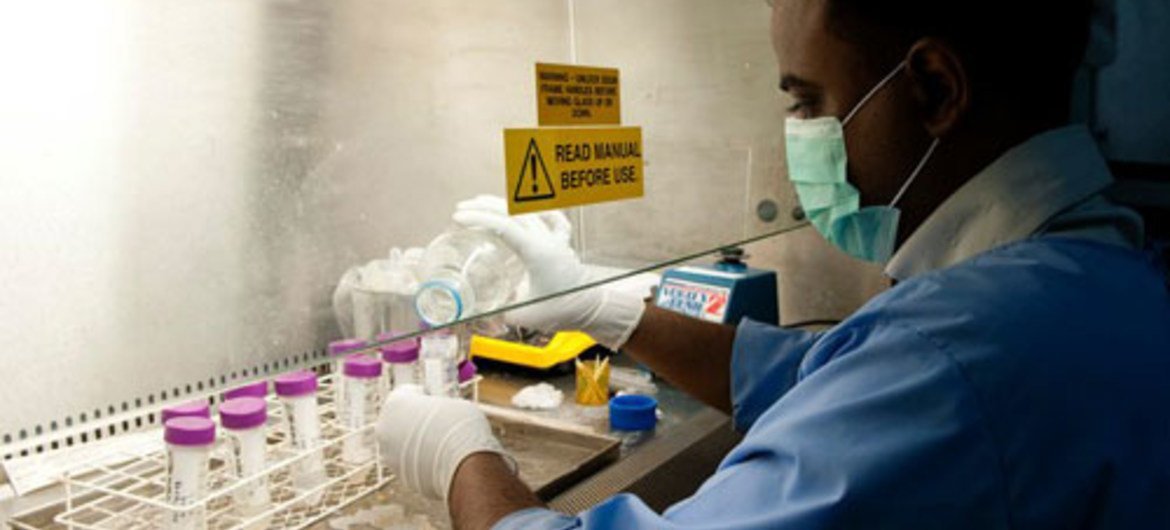
Global estimates suggest that between 10,000 and 100,000 hantavirus infections occur annually. The highest number of cases is reported in Asia and Europe, particularly in China and South Korea, where thousands of HFRS infections are recorded each year. Europe also reports several thousand annual cases, mainly linked to the Puumala virus circulating in northern and central regions.
By contrast, HCPS cases in the Americas are far less common, with only hundreds reported annually. The United States has documented fewer than 1,000 cases overall, while Argentina, Brazil, Chile, and Paraguay continue to report sporadic outbreaks. Despite the lower number of infections, HCPS remains a major public health concern because of its high mortality rate.
Human infection usually occurs after exposure to contaminated rodent urine, droppings, or saliva, though infection can occasionally result from rodent bites. Activities such as farming, forestry work, cleaning enclosed spaces, or living in rodent-infested environments can significantly increase the risk of exposure.

Huma Nisar is Associate Editor at Views and News. She also writes opinion articles on health, society and diet.