Bangladesh’s interim government has asked New Delhi to extradite former prime minister Hasina Wajid – sentenced by International Crimes Tribunal – to Dhaka, and also plans to seek Interpol’s help for her return to the South Asian country.
“Providing refuge to these individuals, who have been convicted of crimes against humanity, by any other country would be a highly unfriendly act and a disregard for justice,” the foreign ministry letter addressed to the Indian government said.
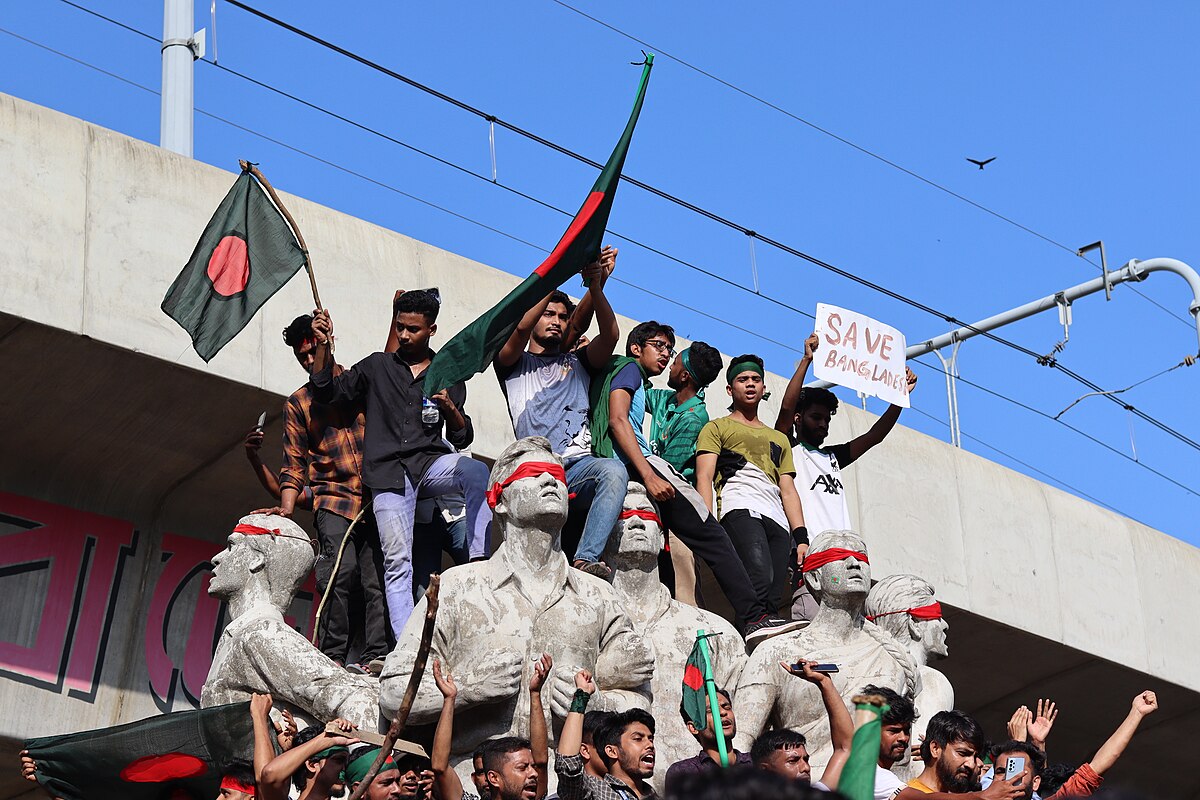
Hasina Wajid was found guilty of “crimes against humanity” for her role in a brutal crackdown on protestors demanding her ouster in July last year. Several people were reported dead during the uprising led by Bangladeshi students.
Citing an extradition agreement with India, the foreign ministry said it was an “obligatory responsibility” for India to act in response to the request.
Bangladesh: Ex-PM Hasina Wajid sentenced to death for crimes against humanity
The interim government, which has ruled Bangladesh since last July’s revolution, is led by Chief Advisor Muhammad Yunus, a Nobel Laureate for his role in establishing Grameen microfinance bank in the country.”
Bangladeshi major media organizations including The Daily Star and The Financial Express reported that the interim government will contact Interpol to bring the convicted and sentenced leader back to the country to face the law.
Meanwhile, Bangladesh remained calm after Tuesday’s ICT sentencing of Wajid, who is seen as a pro-India politician. Bangladeshi politicians have expressed deep concern over Indian interference in the country’s affairs.
Her home minister Asaduzzaman Khan Kamal was also handed death sentence by the Tribune.
Wajid fled to New Delhi as it became clear that her government had no chance of confronting the fury of the masses amid bloodshed and violence perpetrated the protestors.

Kiran Asim is a writer who covers the U.S., Europe, South Asia, and the Middle East. Her reports and analyses look at the geostrategic issues and contemporary developments and their economic and political implications. She also writes about society and education.