In the vast sands of Abu Dhabi’s Al Dhafra Region on Sunday, a single drone turned a symbol of Gulf modernity into a momentary flashpoint of global anxiety, as images of the incident fed into the ongoing chaos and turmoil in the Middle East.
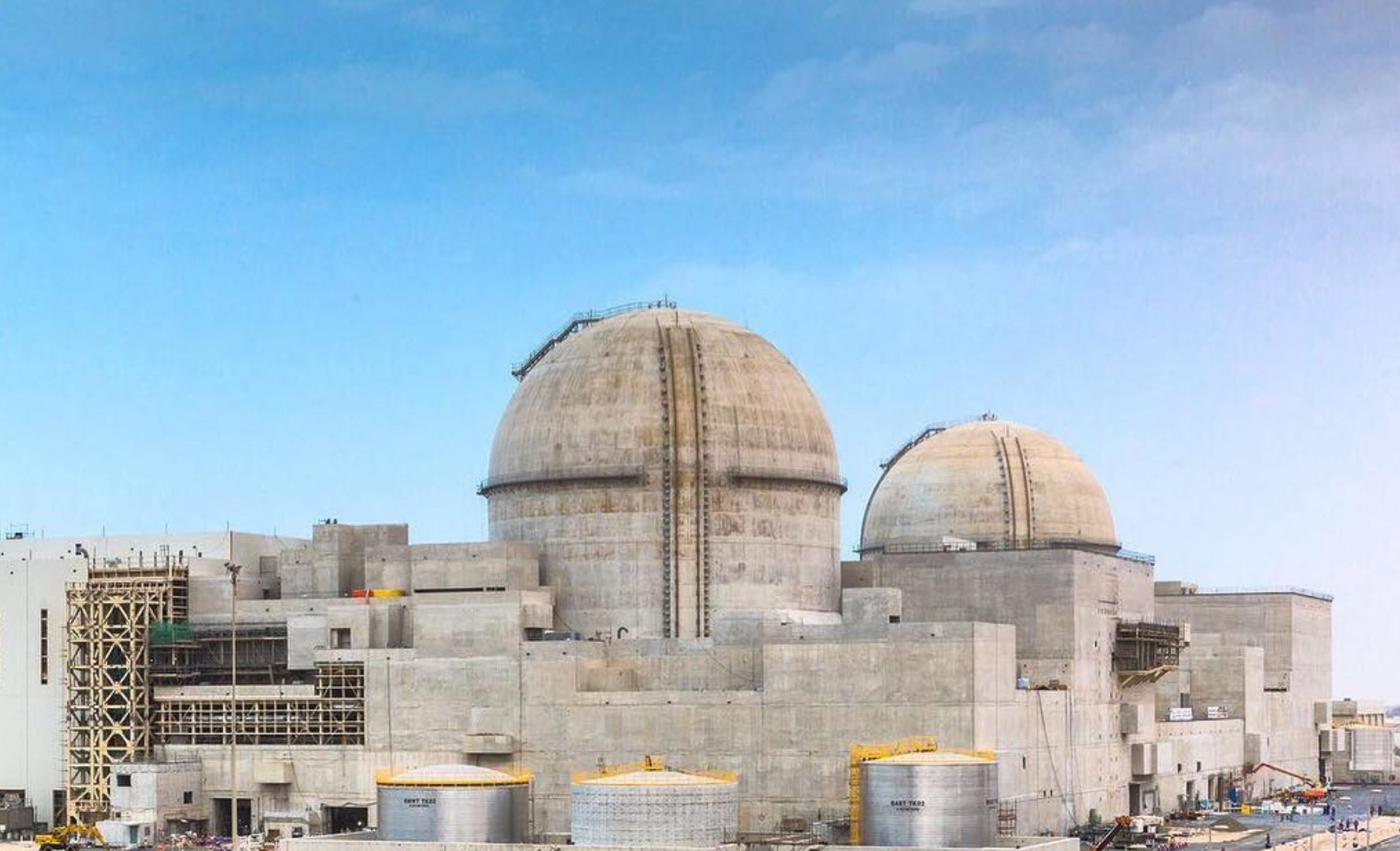
A fire erupted at the perimeter of the Barakah Nuclear Power Plant — the Arab world’s first and only operational nuclear facility — after a drone strike hit an electrical generator just outside its inner security fence.
The International Atomic Energy Agency quickly expressed grave concern over the incident.
Although there were no immediate reports of damage to surrounding areas, explosion footage circulating in video clips was enough to send shockwaves through the region.
The mere specter of such implications is enough to jolt both the region and beyond.
The Strike That Spared Catastrophe — For Now
Authorities moved quickly. Emergency teams responded to the blaze at an electrical generator located outside the plant’s inner perimeter.
No injuries were reported, according to Emirati authorities.
Radiological safety levels remained completely unaffected.
UAE’s MoD says a drone struck an electrical generator outside the Barakah Nuclear Power Plant in UAE.
Two others were intercepted.
The UAE adds the UAVs came from the western border — no source identified yet. pic.twitter.com/VwZHmNHIwf
— Clash Report (@clashreport) May 17, 2026
The Federal Authority for Nuclear Regulation (FANR) confirmed that all four reactor units at Barakah continue operating normally, with essential systems fully intact.
The $20+ billion Barakah complex, built with South Korean technology and supplying roughly a quarter of the UAE’s electricity, narrowly avoided a far more serious outcome.
The strike remained external, and emergency diesel generators activated where required.
IAEA Sounds the Alarm
The United Nations’ nuclear watchdog wasted no time in expressing “grave concern.” IAEA Director General Rafael Grossi stated bluntly that military activity endangering nuclear installations crosses a dangerous line.
The agency confirmed it had been briefed by UAE authorities: radiation levels at Barakah remain normal, no injuries occurred, and the situation is under close monitoring, with constant contact maintained.
The IAEA has been informed by the UAE that radiation levels at the Barakah NPP remain normal and no injuries were reported after a drone strike this morning caused a fire in an electrical generator located outside the inner site perimeter of the NPP. Emergency diesel generators… pic.twitter.com/km2rg08Gvd
— IAEA – International Atomic Energy Agency ⚛️ (@iaeaorg) May 17, 2026
Grossi’s message was clear and uncompromising: “Military activity that threatens nuclear safety is unacceptable.”
The IAEA said it stands ready to assist if needed, but the underlying warning is sharper than any official statement — nuclear power plants, even those far from active combat zones, are increasingly vulnerable in the shadow conflicts reshaping the region.
Context of a Shaky Ceasefire and Unclaimed Responsibility
The incident comes at a sensitive moment, amid a fragile and repeatedly strained ceasefire in the broader U.S.–Israeli confrontation with Iran.
No group immediately claimed responsibility for the drone strike, leaving officials and analysts to speculate on intent and attribution. The UAE has not publicly assigned responsibility to any actor.
Sunday’s event marks the first reported direct targeting of the Barakah facility since the conflict escalated. Located about 225 kilometers west of Abu Dhabi near the Saudi border, the plant represents both a technological milestone and a strategic vulnerability — one that regional actors now clearly have in view.
Why This Should Alarm Washington and the World
For the United States and its allies, Barakah is more than an Emirati power station. It is a flagship of Gulf diversification away from hydrocarbons and a key component of regional energy security in a volatile strategic environment.
A breach — however limited — raises difficult questions about drone proliferation, the protection of critical infrastructure, and how quickly localized conflicts can escalate into nuclear-adjacent crises.
The positive takeaway is that safeguards worked. The more troubling reality is that they were tested.
As one of the most advanced nuclear programs in the Middle East operates under the shadow of drone warfare, the incident underscores a stark reality: in today’s hybrid conflict environment, no strategic asset is entirely beyond reach — even if it must remain strictly off-limits.
The fire at Barakah has been extinguished. The reactors continue to operate. But the diplomatic and security aftershocks are only beginning.
In a region already balancing on a knife-edge of ceasefires and retaliation cycles, Sunday’s near-miss may well become tomorrow’s warning — unless global powers enforce the red line that Rafael Grossi insists must hold.

Kiran Asim is a writer who covers the U.S., Europe, South Asia, and the Middle East. Her reports and analyses look at the geostrategic issues and contemporary developments and their economic and political implications. She also writes about society and education.