More than nine out of ten households in Gaza—nearly 2.1 million people—are now in desperate need of shelter as Israeli airstrikes and ground fire continue to pound the besieged enclave, United Nations agencies warned Thursday.
Behind the numbers is a daily reality of exhaustion, fear, and eroding humanity as over 80% of families face critical or catastrophic conditions, stripped of fuel, electricity, and even the most basic items needed to wash, cook, or store food.
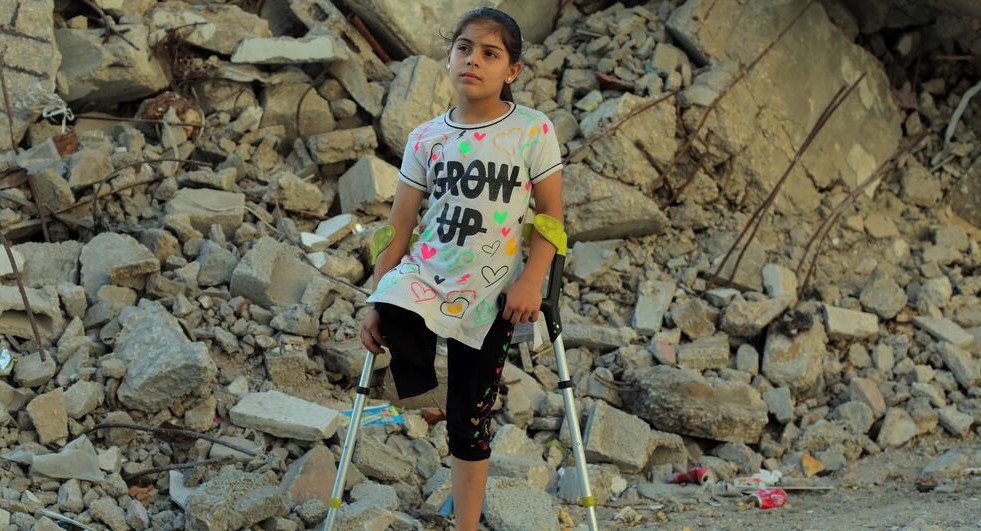
For most families, home is no longer a place of safety. Nearly two-thirds now live in flimsy tents or makeshift structures designed for days, not months. These shelters offer little protection against the brutal heat of the day or the biting cold of the night, and they fall apart quickly in wind or rain.
“These constraints affect people’s ability to sleep, their ability to cook, their ability to wash, their ability to store food and water,” said UN Spokesperson Stephane Dujarric. Last winter, more than 70% of families saw their tents flooded—and with the next rainy season approaching, aid workers fear a repeat of that misery.
The suffering is compounded by what remains buried beneath the rubble. This week, the bodies of 50 people—including 19 children—killed more than two years ago were finally recovered and laid to rest. Their remains had been trapped under collapsed buildings, a grim testament to the scale of destruction. UN officials stress that the recovery of more bodies is being delayed not by lack of will, but by alleged Israeli restrictions on heavy machinery, spare parts, and access to vast swathes of the Strip—leaving countless families without closure.
The war that has devastated Gaza began on October 7, 2023, when Hamas-led militants launched a surprise assault on southern Israel, killing at least 1,219 people, mostly civilians, and abducting 251 hostages into Gaza . That day remains the deadliest in Israeli history .
Israel responded with a devastating military campaign by air, land, and sea that has continued unabated for nearly three years. According to Gaza’s Hamas-run health ministry, at least 67,160 Palestinians have been killed, with over half being women and children.
The UN considers these figures credible.
Israel’s Position
Israel maintains that its operations target Hamas militants, stating that at least 20,000 of the dead are fighters.
On the Israeli side, at least 1,665 Israelis and foreign nationals have been killed, including 466 soldiers since the ground operation began.
Israel also rejects allegations intentionally killing civilians, saying the civilian deaths are due to Hamas using Palestinians as human shield.
On the other hands, Israeli ministers have publicly called for killing of civilians.
WATCH AND SHARE: Prime Minister’s Office Spokesman @DoronSpielman tells NBC News, “Hamas is trying to fool the entire world. Israel will not be fooled.” pic.twitter.com/zWpFKXXHhM
— Prime Minister of Israel (@IsraeliPM) August 11, 2026
The United States has called for stopping operations in Gaza, after Hamas promised to lay down arms in order to push forward the peace and reconstruction process under the Peace Board initiative
Even as death lingers under the ruins, Gaza’s living face new threats. Across the garbage-choked, bomb-cratered landscape, unsanitary conditions have sparked a plague of rodents, forcing pest-control teams to scramble.
Meanwhile, every day brings fresh reports of civilian casualties from ongoing Israeli gunfire and strikes, including children.
“Civilians should never be targeted or used for military purposes,” Dujarric reiterated—though on the ground, the violence shows no sign of abating.
Israel’s far-right national security minister calls for the killing of 30 to 40 people a night in Gaza.
France calls Ben Gvir’s comments “intolerable and inhumane”, UN condemns them as “dehumanizing” and “dangerous”. Germany says sanctions are being discussed at the European… pic.twitter.com/C8Uk1GKBQZ
— AFP News Agency (@AFP) August 20, 2026
A ceasefire announced – but not honored
Last October, U.S. President Donald Trump announced a ceasefire agreement signed with Egypt, Qatar, and Turkey, declaring “the long and painful nightmare is finally over.”
The deal envisioned a phased Israeli military withdrawal, prisoner exchanges, and urgent humanitarian aid .
Yet the ceasefire has proven fragile at best. UN experts have documented at least 393 Israeli violations since the truce took effect on October 10, killing 339 Palestinians—including over 70 children—and injuring more than 870. Israeli restrictions have kept only two of six border crossings open, with aid deliveries falling far below targets. Just this week, an Israeli airstrike on a café in Gaza City killed at least six Palestinians, including a child. The Israeli military said the strike targeted Hamas commanders.
WARNING: GRAPHIC CONTENT: An Israeli airstrike killed at least six Palestinians and wounded over a dozen when missiles struck a cafe at Gaza City’s fishing harbor, a day after Trump envoy Jared Kushner’s regional trip failed to advance a ceasefire plan https://t.co/c6D5jUO2HD pic.twitter.com/bB8cWPcJST
— Reuters (@Reuters) August 19, 2026
Hamas has accused Israel of sabotaging the ceasefire, while Israeli Prime Minister Benjamin Netanyahu has insisted that Israeli forces will only withdraw once Hamas is completely disarmed—a condition Hamas rejects. Mediators have warned that unresolved issues risk collapsing the truce entirely.
In the midst of this crushing despair, humanitarian workers are racing to preserve fragments of normal life. UNRWA is opening temporary learning spaces for children who have lost months of schooling. UNICEF is installing solar panels on health clinics so that mothers can still bring their sick children for care. The World Food Program is reaching 1.5 million people with hot meals and bread, while engineers are slowly clearing debris to reopen roads to hospitals.
But these efforts are fragile. Aid deliveries are constantly obstructed by funding gaps and Israeli restrictions on building materials, with UN partners estimating that $562 million is urgently needed just to make shelters barely habitable. For the families of Gaza, the question is no longer just about surviving the bombs—it is about whether they can endure the cold, the hunger, the filth, and the grief, all while waiting for a world that has largely looked away.

Muhammad Luqman is Associate Editor at Views News Now. He writes on wide-ranging issues including economy, South Asia, the Middle East, agriculture, economy and innovation. Luqman has worked some of the leading news organizations and won acclaim for his original and research-based works.

Iftikhar Ali is a veteran Pakistani journalist, former president of UN Correspondents Association, and a recipient of the Pride of Performance civil award