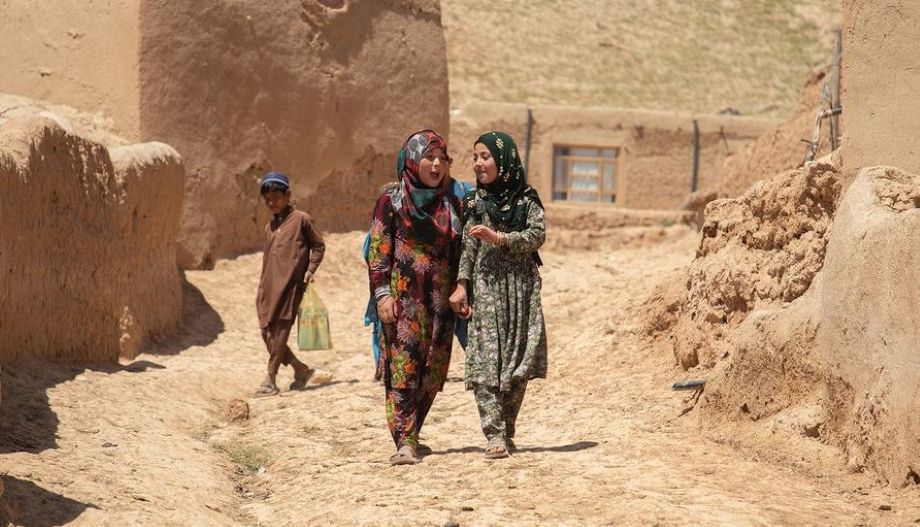
They have been silenced in classrooms, banished from workplaces, and confined to the shadows of their own homes.
Five years after the Taliban seized power, the women and girls of Afghanistan are not merely oppressed—they are being systematically erased from public life.
In a devastating new assessment the United Nations Wednesday called the ordeal of Afghan women in Afghanistan as the “world’s most severe women’s rights crisis.”
The crisis has only deepened in the past year, with restrictions on education, employment, healthcare, justice, and movement intensifying at an alarming rate.
The result, according to UN Women, is a cascade of suffering: shorter life expectancy, soaring maternal mortality, surging rates of child marriage and gender-based violence, and a worsening mental health epidemic that has left an entire generation traumatized.
‘Normalizing’ Taliban rule would betray Afghan women, UN expert warns world capitals
A Life Behind Closed Doors
The data paints a harrowing picture of confinement.
Half of Afghan women surveyed by UN Women reported leaving home only once or twice a month, so severe are the restrictions on their movement and access to public spaces.
Increasing numbers also say they feel unsafe stepping outside without a male guardian—a requirement that has become a chokehold on their independence.
Education: A Right Taken Away
Afghanistan now stands alone as the only country in the world that formally prohibits girls and women from education beyond the primary level, UNESCO confirmed.
As of 2026, an estimated 2.4 million girls remain excluded from secondary school and university—a reversal of two decades of hard-won progress.
“The continued exclusion of girls and women from education constitutes a grave violation of their fundamental human right to learn,” UNESCO said, warning that the policy “risks condemning Afghanistan to decades of lost potential, deepening poverty, and irreversible harm.”
Afghan women in danger of complete disappearance from public life under Taliban
Barred from classrooms and most paid work, women also face legal obstacles that leave them defenseless against all forms of violence, the agency added.
The Forgotten Crisis
“Women have been erased from public life,” UN Women reiterated, sounding an urgent alarm:
“This unparalleled crisis of women’s and girls’ rights is at risk of being forgotten by the world.”
As a new generation of girls grows up without an education, the agency warned, “their future becomes increasingly dark.”
Aid Cuts Compound the Catastrophe
Compounding this human rights catastrophe is a funding crisis.
Nearly three-quarters of women-led organizations surveyed in Afghanistan experienced funding cuts in 2025, UN Women reported, as global aid retrenchment takes a heavy toll on the ground.
⚠️ New findings from @UN_Women:
7 in 10 women in #Afghanistan describe their mental health as ‘bad’ or ‘very bad’.
Five years of restrictions. Five years of invisible wounds.
We need more support for Afghan women’s mental health, not more isolation.
— UN Women (@UN_Women) August 12, 2026
UN Humanitarian Coordinator Bruno Lemarquis cautioned that these funding gaps could force health center closures, “leaving thousands of mothers and newborns vulnerable to preventable complications and death.”
Meanwhile, the UN World Food Program warned last week that devastating cuts will disrupt food deliveries to the most hungry, at a time when 14 million Afghans are already facing a hunger crisis.
UNESCO joined a chorus of UN agencies and global leaders in calling for the full restoration of education and fundamental human rights for Afghan women and girls—a plea that grows more urgent with each passing day under Taliban rule.

Huma Nisar is Associate Editor at Views News Now. She also writes opinion articles on health, society and diet.