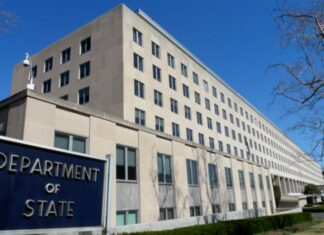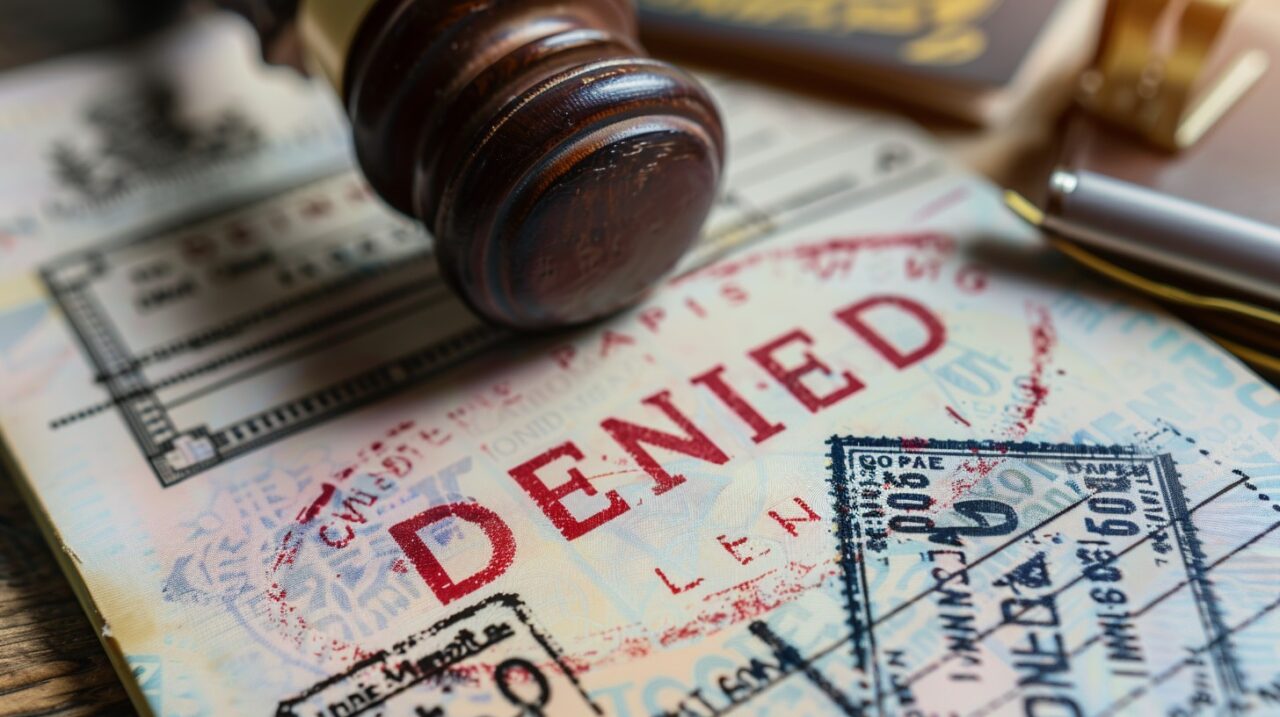
The State Department announced this week it revoked more than 175,000 visas since President Donald Trump returned to office in January, citing criminal activity, visa violations, fraud, calls for violence, abuse of the immigration system, and national security risks as the main grounds for the cancellations.
Officials said the majority of the revocations stemmed from law-enforcement encounters involving criminal activity. Leading causes included assault, driving under the influence, theft, and drug offenses. A significant share also involved reckless driving, sexual assault, child abuse, fraud, embezzlement, and other crimes. The department provided several examples of individual cases—ranging from violent and sexual offenses to large-scale fraud schemes—but did not release identifying details or supporting evidence.
The announcement forms part of the administration’s second-term effort to tighten both legal and illegal immigration. Trump has repeatedly pledged to remove “the worst of the worst.”
Some experts citing independent data report that most people detained by Immigration and Customs Enforcement during this period had no criminal convictions. The Administration, however, contends it is removing the people who violate laws and pose a threat.
The administration’s tactics have also faced legal challenges, with courts blocking several measures, and have sparked protests nationwide after the deaths of multiple U.S. citizens.
US Revokes Green Cards, Visas of Iranian Nationals Linked to Government
Criminal Offenses
Most revocations followed encounters for a range of crimes. Among the cases cited were foreign nationals charged with rape and sexual battery (including of a mentally disabled victim), kidnapping, human trafficking, domestic violence, and sexual abuse of a child.
Others involved elaborate fraud: one individual allegedly built a company on fabricated revenue figures and defrauded investors of millions; another was linked to a Medicaid billing scheme exceeding $5 million in false claims. An additional example involved a person arrested for driving with heroin while more than three times over the legal blood-alcohol limit.
Trump has made fraud enforcement a central focus of his second term, and foreign nationals have been targeted in several high-profile actions. In one instance, the president publicly accused Somali communities in Minnesota of involvement in a large-scale welfare-fraud scheme, drawing sharp criticism from Democrats.
Comments on Charlie Kirk’s Death
The department also revoked visas of multiple foreign nationals who celebrated or made light of the September assassination of conservative activist Charlie Kirk, founder of Turning Point USA. One individual allegedly wrote that “when fascists die, democrats don’t complain,” another said Kirk “died too late.”
In the days after the killing, Deputy Secretary of State Christopher Landau stated that foreigners who “glorify violence and hatred” are not welcome and directed consular officials to take action against those praising or rationalizing the attack. By October the department reported it had already revoked the visas of six foreign nationals over online comments about Kirk, declaring it had “no obligation to host foreigners who wish death on Americans.”
TOM HOMAN: Visas are one of the greatest privileges this country gives. It’s a privilege to come to the greatest nation on earth. pic.twitter.com/z5yUrsPlho
— Department of State (@StateDept) August 11, 2026
Foreign-Policy and Other Grounds
Secretary of State Marco Rubio identified numerous individuals deemed deportable on foreign-policy grounds.
Examples included a Cuban national linked to a regime influence operation, Iranian nationals with ties to the Iranian government, a Laotian child-sex offender previously pardoned by Minnesota Gov. Tim Walz, and a Kuwaiti national who expressed a desire for violence against the U.S. president and called Americans his “enemy.”
No foreign national has a right to be in our country.
We will never apologize for putting the safety of Americans first. pic.twitter.com/HX2nfc9gpD
— Department of State (@StateDept) August 11, 2026
A State Department spokesperson said that “wishing violence upon the President of the United States and characterizing Americans as one’s enemy are not protected activities that entitle a foreign national to remain in the United States.”
The same spokesperson emphasized that the secretary holds broad discretionary authority to revoke visas and that the administration is “protecting our nation and its citizens by upholding the highest standards of national security and public safety through our visa process.”
Birth Tourism and Student Visas
A U.S. embassy in North Africa canceled the visas of more than 100 parents described as “birth tourists”—individuals who travel to the United States specifically so their children can acquire citizenship at birth.
US Ends ‘Duration of Status’ for Foreign Students, Imposes Fixed Visa Terms
The administration has sought to curtail birthright citizenship through executive action; after the Supreme Court struck down an earlier order, the Justice Department pledged to prioritize investigation of birth-tourism schemes, and Trump recently signed additional executive orders on the issue.
Although the Monday release did not address student visas, the administration has separately revoked thousands of them. In August, Rubio stated that more than 6,000 student visas had been canceled in the first seven months of the term.

Muhammad Luqman is Associate Editor at Views News Now. He writes on wide-ranging issues including economy, South Asia, the Middle East, agriculture, economy and innovation. Luqman has worked some of the leading news organizations and won acclaim for his original and research-based works.