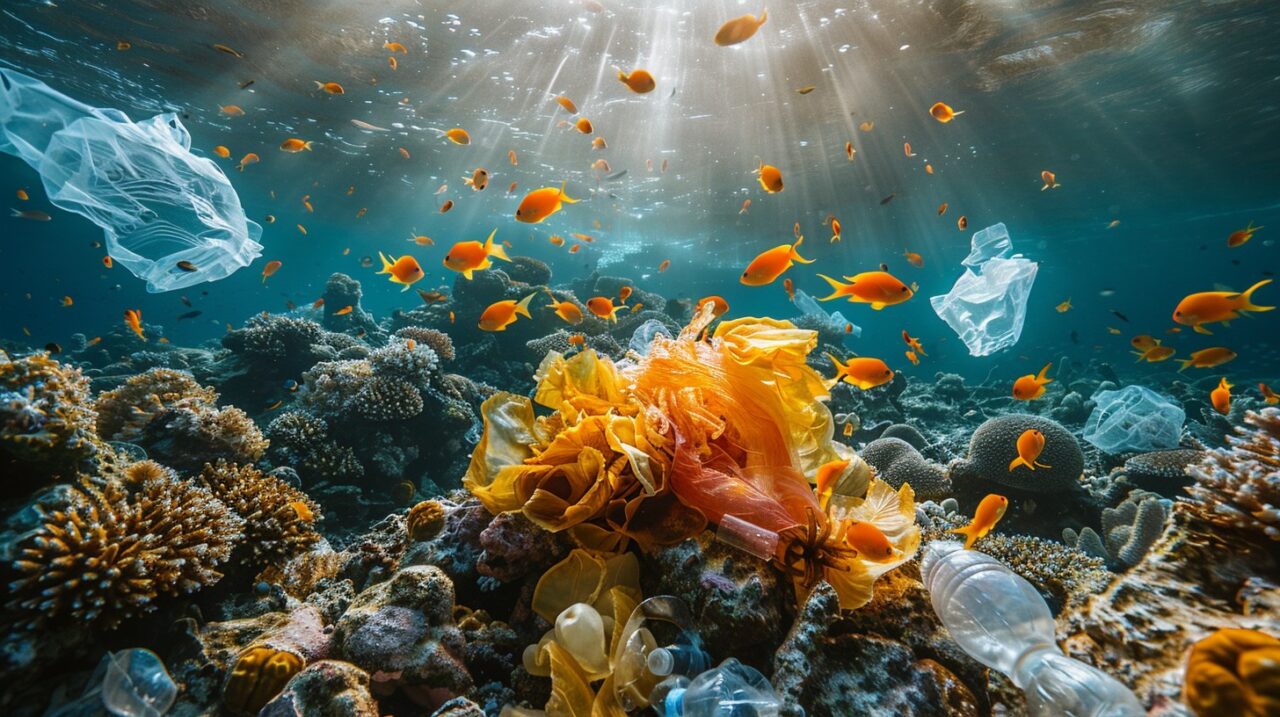
With an ever-worsening plastic crisis hanging over the future of marine life and health of the planet, high hopes were placed on the latest round of negotiations aimed at forging a unified global response, but the ten-day deliberations remained inconclusive and ended with an agreement. plastic pollution
Diplomats, environmental advocates, and industry representatives gathered in Geneva, determined to find common ground on the framework for an international plastic pollution treaty. Yet, as the days unfolded, fault lines deepened over contentious topics such as capping plastic production and the regulation of hazardous additives.
The atmosphere in the negotiation halls was charged with urgency but tinged with frustration, as passionate arguments underscored just how high the stakes had become—not only for ecosystems but for the health and livelihoods of communities worldwide.
Responding to news of the failure to reach agreement, UN Secretary-General Antonio Guterres said: “I deeply regret that, despite earnest efforts, negotiations to reach an international legally binding instrument on plastic pollution, including in the marine environment, concluded without achieving a consensus.
Plastic pollution: Not just $1.5 trillion annual losses but growing threat to survival
Disagreements remain over key issues such as production limits and restrictions on select chemicals persisting.
After talks in Geneva ended Friday, the United Nations Environment Program (UNEP), which oversees the negotiations, said the negotiating committee “agreed to resume negotiations at a future date to be announced.”
Any future talks would be the seventh round and the second extension after delegates failed to reach consensus by their original end-of-2024 deadline.
“This has been a hard-fought 10 days against the backdrop of geopolitical complexities, economic challenges and multilateral strains,” said Inger Andersen, UNEP’s executive director of the UN Environment Program (UNEP).
“However, one thing remains clear: despite these complexities, all countries clearly want to remain at the table.”
Plastic waste horror: More dangerous effects than previously thought
“I welcome the determination of Member States in continuing to work to beat plastic pollution and keep engaged in the process, united in purpose, to deliver the treaty the world needs to tackle this monumental challenge to people and the environment.”
Speaking to media at the end of Intergovernmental Negotiating Committee (INC) talks at the UN in the Swiss city, Ms. Andersen emphasized how Member States had expressed a clear wish to continue engaging in the process, recognizing their significant differences regarding plastic pollution.
“While we did not land the treaty text we hoped for, we at UNEP will continue the work against plastic pollution – pollution that is in our groundwater, in our soil, in our rivers, in our oceans and yes, in our bodies,” she said.
“People are demanding a treaty,” the UN agency head continued, before underscoring the hard work that lies ahead to maintain the momentum needed to ink a binding international accord.
Delegates from 183 nations attested to the convening power and importance of the proposed agreement, with some Pacific Island representatives – complete with dazzling fresh blooms in their hair – rubbing shoulders with other participants, drained by the final all-night negotiating session.
Follow for more: Twitter (X) | Facebook | Instagram | LinkeIn

Iftikhar Ali is a veteran Pakistani journalist, former president of UN Correspondents Association, and a recipient of the Pride of Performance civil award