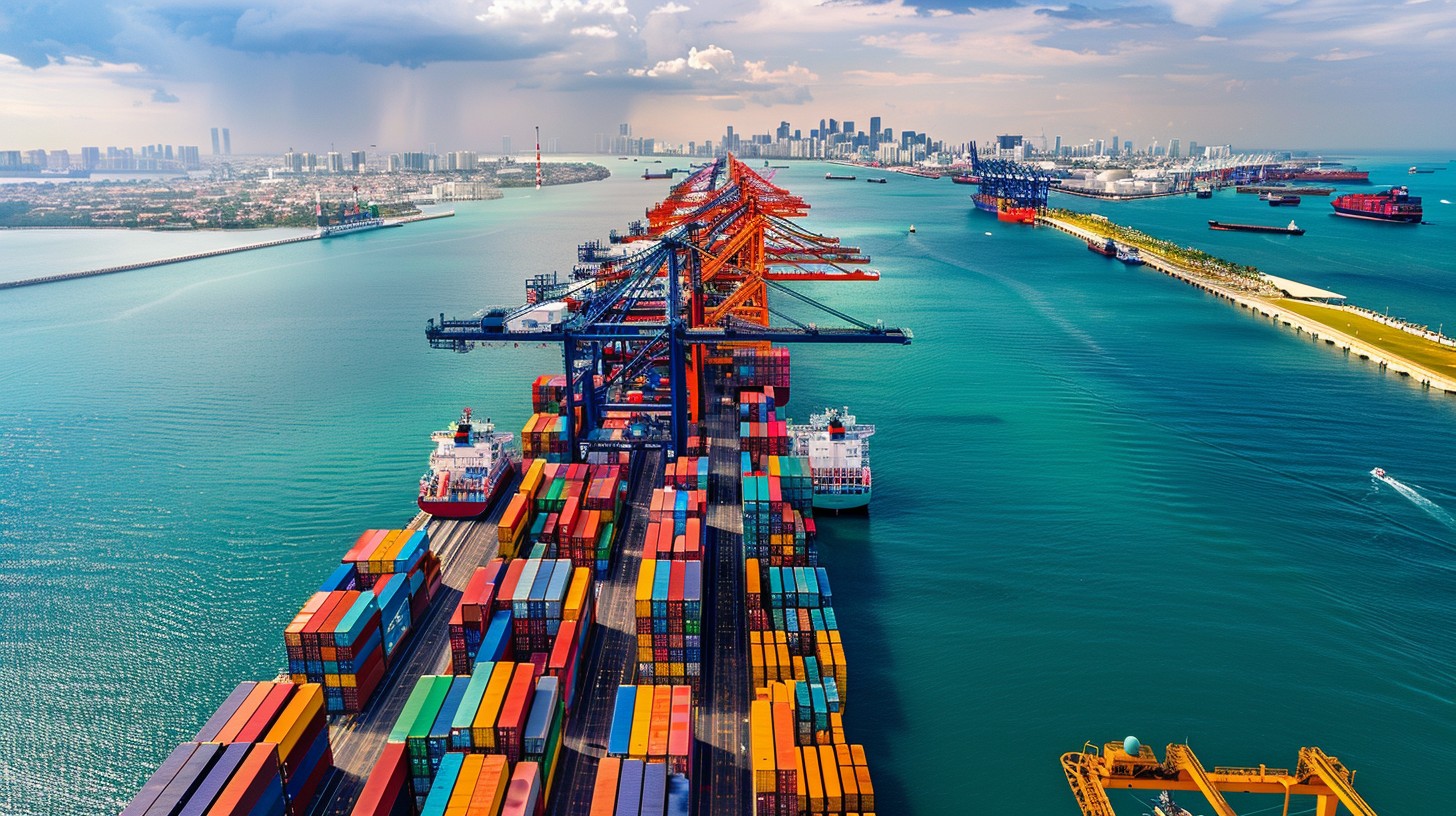
The United States took a key step towards implementing the terms of the peace deal with Iran, ending a monthslong blockade of Iranian ports that gave Washington leverage in negotiations but also led to clashes between the two sides and contributed to further reducing shipping through the Strait of Hormuz.
Under the initial deal, called the Islamabad Memorandum of Understanding, Iran will be free to export its oil to world markets as all sanctions imposed against it over the nuclear enrichment program would be lifted.
President Donald Trump and his Iranian counterpart Masoud Pezeshkian, as well as mediator Pakistan’s prime minister, signed the agreement electronically on Wednesday, immediately ceasing hostilities on all fronts including Lebanon.
Today, U.S. forces lifted the blockade on all maritime traffic entering and exiting Iranian ports and coastal areas, in accordance with the President’s direction. American forces are not impeding the transit of vessels to or from Iranian ports. All U.S. military blockade…
— U.S. Central Command (@CENTCOM) June 18, 2026
“Today, U.S. forces lifted the blockade on all maritime traffic entering and exiting Iranian ports and coastal areas, in accordance with the President’s direction,” U.S. Central Command announced Thursday evening.
Analysts say the resumption of oil and gas supplies from the energy-rich Gulf region is likely to calm down markets, which had fluctuated with each development in the almost four-month-old conflict that broke out on February 28 with U.S. and Israeli coordinated attacks.
The Centcom statement further noted: “American forces are not impeding the transit of vessels to or from Iranian ports. All U.S. military blockade enforcement efforts have ceased. Our great Naval Ships will remain in the general area to make sure that all aspects of the agreement are adhered to, obeyed and in full force and effect.”
Trump Rebukes Critics of Iran Deal as Opponents Question Gains
The deal also commits the two countries to address the contentious issue over Iran’s stockpile of enriched nuclear.
As the conflict unfolded, Iran increasingly targeted oil and gas sites in the resource-rich Gulf neighbors, accusing them of facilitating U.S. attacks.
The free flow of trade will give the Middle Eastern countries an opportunity to bounce back from stagnation, scale up production and restore regular shipping, though some analysts say a full revival of economic momentum will take months.
Adding to the challenges for the Gulf region is the development called “demand destruction” which means the oil and gas importing countries adopted new ways either to reduce their usage of energy or looked for alternative ways to meet their energy needs.

Ali Imran is a Washington-based journalist, who has worked for leading world news organizations as a correspondent, expert and in editorial positions. He is a published author and poet.