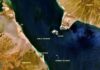
In the high-stakes theater of Middle Eastern geopolitics, the world witnessed a jarring split-screen performance this Tuesday. In the quiet halls of Geneva, negotiators sought a diplomatic exit from a nuclear standoff, while 3,000 miles away, the roar of live-fire missiles echoed through the world’s most critical maritime chokepoint.
Iran’s announcement that it would temporarily shutter the Strait of Hormuz for military exercises marks an aggressive escalation in its “maximum pressure” counterstrategy. It is a rare, perhaps unprecedented, move for Tehran to declare an official closure of a waterway that carries 20% of the world’s oil supply. The message was clear: if the Islamic Republic is pushed to the brink, it is prepared to take the global economy with it.
The day was defined by a calculated “good cop, bad cop” routine from the Iranian leadership.
As the Revolutionary Guard commenced its “Smart Control” drills, firing missiles into the Persian Gulf, Supreme Leader Ayatollah Ali Khamenei delivered a stinging rebuke to the U.S. military buildup. He warned that even the “strongest army in the world” could face a “slap” from which it might never recover. Simultaneously, Foreign Minister Abbas Araghchi struck a surprisingly conciliatory note at a U.N. disarmament conference. He spoke of a “new window” for a sustainable solution, emphasizing that Iran remains ready for a negotiated deal that serves all parties.
President Donald Trump, having walked away from the previous nuclear pact during his first term, appears to be doubling down on a policy of military pressure. U.S. delegation in Geneva—led by Steve Witkoff and Jared Kushner—is operating against a backdrop of massive naval movements.
The USS Gerald R. Ford, the world’s largest aircraft carrier, is currently cutting through the mid-Atlantic to join the USS Abraham Lincoln in the region. Vice President JD Vance summarized the tension, noting that while some progress has been made, Iran is not yet ready to acknowledge the “red lines” the President has drawn.
The urgency of these talks is underscored by the scars of last summer. In June 2025, a 12-day war between Israel and Iran—which saw the U.S. launch bunker-buster strikes on Iranian nuclear sites—decimated much of Tehran’s air defenses and centrifuge infrastructure.
Before that conflict, Iran had reached a dangerous threshold, enriching uranium to 60% purity. While the war set their program back, the current diplomatic push aims to prevent a return to those levels or, worse, a slide into a nuclear-armed reality.
Despite the saber-rattling in the Strait, oil prices actually dipped as the talks concluded.
The market appears to be betting on a “negotiated solution” rather than a full-scale blockade, though analysts warn that any localized exchange of fire could send Brent crude soaring toward $90.
As the Iranian delegation prepares to present more detailed proposals in the coming fortnight, the world holds its breath. The “safety and maritime concerns” cited by Tehran as the reason for the closure are transparently political.
Iran has signaled that its defense is not “confined to its borders.” With two U.S. carrier strike groups soon to be stationed off its coast and the memory of the June strikes still fresh, the window for diplomacy is open—but the room for error is narrower than the Strait itself.

Kiran Asim is a writer who covers the U.S., Europe, South Asia, and the Middle East. Her reports and analyses look at the geostrategic issues and contemporary developments and their economic and political implications. She also writes about society and education.