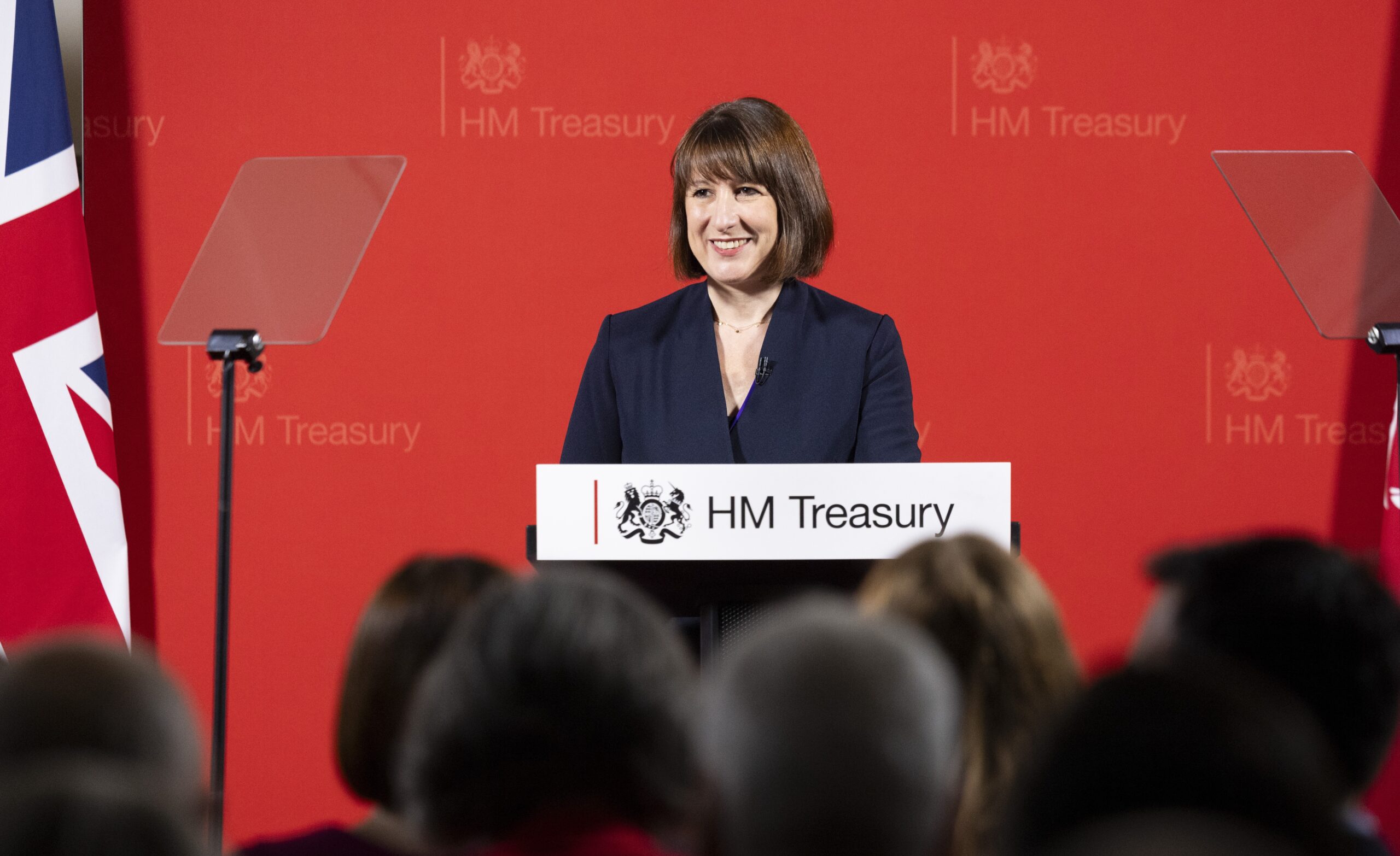
The United Kingdom’s finance minister said the quickest way to keep fuel prices under control is a rapid de-escalation of the escalating Middle East conflict involving the United States, Iran and Israel.
Chancellor of the Exchequer Rachel Reeves made the remarks as oil prices surged toward $120 per barrel, raising concerns that higher energy costs could weaken global economic growth.
Reeves told lawmakers that easing tensions in the region was the most effective way to shield consumers from rising fuel costs.
“I am clear that the best way to keep prices at the pump low is rapid de-escalation, and I will continue to monitor prices as the situation develops,” she said, according to a Reuters report.
Oil Surge and Trade Disruptions Portend Economic Fallout from Iran Conflict
The finance minister also warned companies against attempting to exploit the crisis to increase profits at the expense of consumers.
“I will not tolerate any company exploiting the current crisis to make excess profits at consumers’ expense,” Reeves said.
Concerns about the broader economic fallout were echoed by International Monetary Fund Managing Director Kristalina Georgieva, who said a prolonged conflict could have significant consequences for the global economy.
Speaking in Bangkok, Georgieva said the escalating tensions were testing “global economic resilience” and warned that an extended conflict could push up energy prices, unsettle financial markets and weigh on economic growth while fueling inflation.

Asim Tanveer is a seasoned journalist working for TV and electronic and print media outlets. He has been working for some of the world’s leading news organizations including Associated Press (AP), Reuters, BBC, CNN, CNBC, Star TV, Voice of America and The New York Times for more than 20 years. He has won several awards for his live coverage of events that include a Reuters News Agency World Award and the Pride of Performance award in 2010.