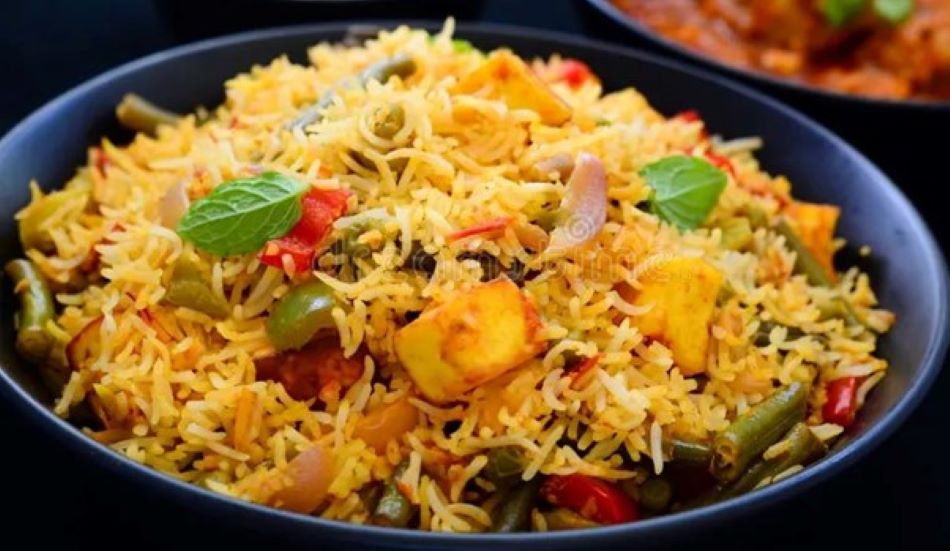
The aroma of Basmati rice is unmistakable—but who has the right to call it theirs?
That question, simmering between India and Pakistan for generations, has now boiled over in an unexpected venue: an Australian federal courtroom.
Far from the paddy fields of Punjab, a legal verdict has just reshaped the global map of one of the world’s most prized grains, handing Pakistan a long-sought win and dealing a sharp setback to New Delhi’s ambitions of owning the name outright.
The never-ending rivalry between the two South Asian agricultural giants has found yet another battleground—not in the disputed hills of Kashmir, nor at the cricket pitch, but thousands of miles away down under, where a single fragrant grain has become the centerpiece of an intense international battle.
The Federal Court of Australia has dismissed an appeal by India’s Agricultural and Processed Food Products Export Development Authority (APEDA) over its attempt to register “Basmati” as a certification trade mark for rice, upholding findings that recognize Pakistan’s legitimate right to use the term.
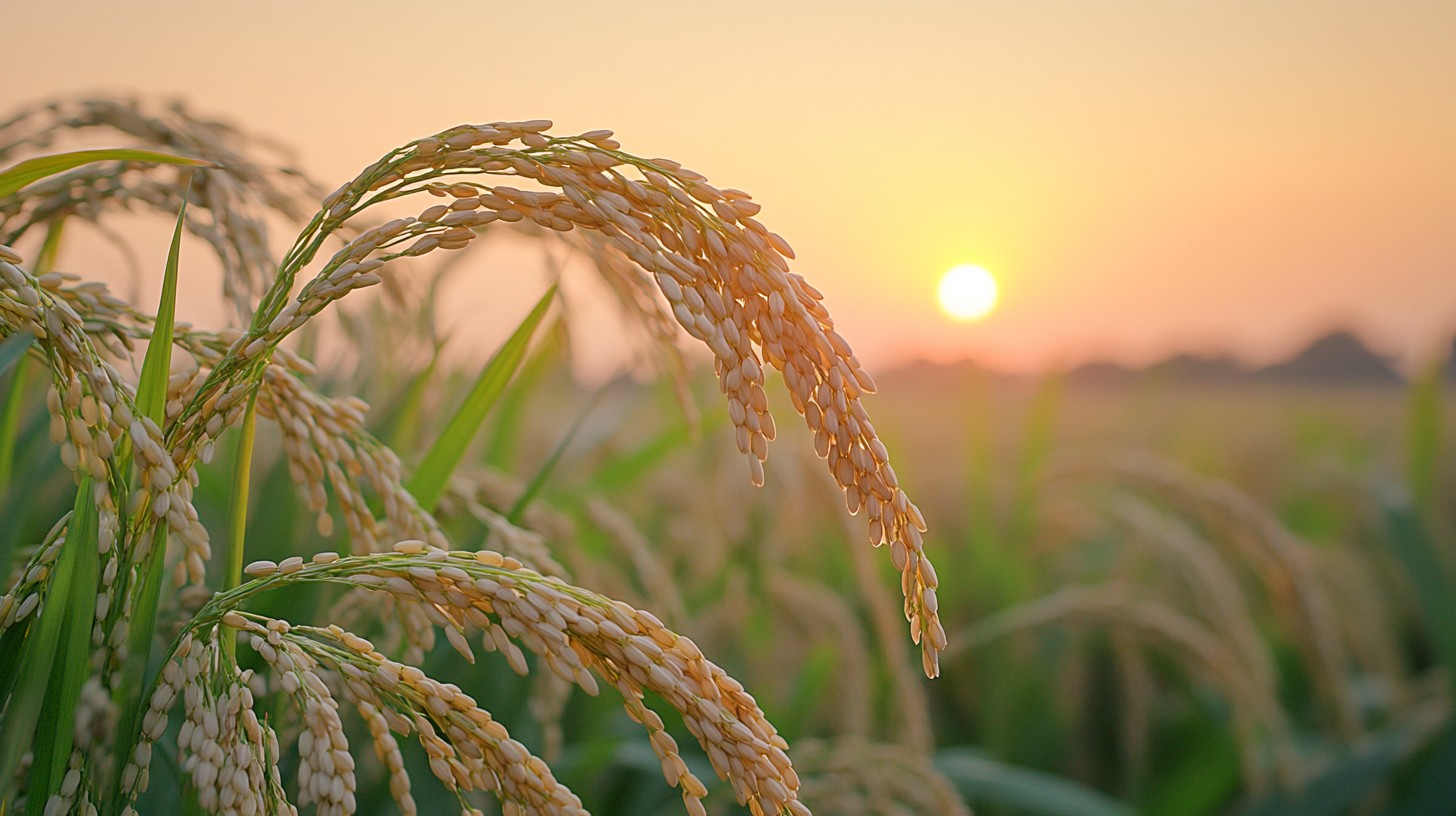
Pakistan’s Ministry of Commerce welcomed the ruling, describing it as a significant victory for the country’s longstanding position that Basmati is a geographical indication associated with a historically recognized growing region spanning parts of Pakistan and India.
The Australian court also ordered APEDA to pay the respondent’s costs, as agreed or taxed.
APEDA had applied to register the word “Basmati” as a certification trade mark for rice in Australia. The application was rejected by a delegate of the Australian Registrar of Trade Marks on December 22, 2022, on the grounds that the term could not distinguish rice certified by APEDA from Basmati rice legitimately produced and marketed by other traders.
APEDA subsequently challenged the decision before the Federal Court.
According to Pakistan’s Commerce Ministry, the Registrar’s decision expressly recognized that Basmati rice is also grown in Pakistan and that Pakistani traders have an equally valid claim to use the term. By dismissing APEDA’s appeal, the Federal Court has upheld those findings.
“The decision vindicates Pakistan’s principled and consistently maintained position regarding Basmati as a geographical indication,” the ministry said.
It added that the ruling protects the commercial and intellectual-property interests of Pakistan’s Basmati growers, millers and exporters and preserves their right to market authentic Pakistani Basmati rice in Australia.
Federal Minister for Commerce Jam Kamal termed the outcome an important achievement for Pakistan’s agricultural heritage, commercial interests and export identity.

Relief among Pakistani exporters
The ruling has been welcomed by Pakistan’s rice-exporting community, which sees the decision as an important development in the country’s continuing efforts to protect the identity and reputation of Pakistani Basmati in international markets.
Taufiq Ahmad Khan, former Senior Vice Chairman of the Rice Exporters Association of Pakistan (REAP), said Pakistani rice remained well positioned in international markets because of its quality and established reputation.
“Pakistani rice varieties are well aligned with international market demand, particularly in the Basmati and long-grain non-Basmati segments,” Khan said. “Pakistani Basmati is globally recognized for its distinctive aroma, grain length and cooking quality.”
He said continued improvements in quality standards, processing, traceability and compliance with international regulations had further strengthened the competitiveness of Pakistani rice.
Khan said Pakistan was successfully competing with India in the international Basmati market by maintaining distinctive quality attributes, including aroma, grain elongation and taste.
Global shift to plant-based diets may save millions of lives annually, cut emissions
“While India benefits from larger volumes and aggressive pricing, Pakistan’s Basmati continues to command strong demand in premium markets due to consistent quality and authenticity,” he said.
He added that improved traceability, branding and compliance with international standards had enabled Pakistan to retain, and in some markets strengthen, its competitive position alongside India.
A long-running dispute
The dispute over Basmati’s geographical identity is not new. Pakistan and India have previously joined forces to defend the rice’s reputation against claims by third parties.
In the late 1990s, U.S. company RiceTec obtained patents relating to Basmati rice. Pakistan and India challenged the company’s claims, and in 2001 the U.S. Patent and Trademark Office revoked several of the disputed patent claims.
The two countries subsequently cooperated in efforts to secure recognition of their shared heritage over Basmati in the European Union. Between 2004 and 2008, Islamabad and New Delhi worked on a joint application to the European Commission for recognition of Basmati as a product originating from the Punjab region, which straddles the two countries.
That cooperation later broke down amid disagreements over how the term should be protected.
India eventually submitted its own application for geographical indication protection to the European Commission in 2018. The application described Basmati as a distinctive rice characterized by its aroma, taste, texture and grain characteristics and linked its production to areas of the Indo-Gangetic plains.
Pakistan opposed the application, arguing that granting India exclusive protection over the term could undermine the rights of Pakistani growers and exporters.
Pakistan subsequently submitted its own application for GI protection in 2023, covering areas where it says Basmati is traditionally cultivated, including districts in Punjab and parts of Azad Jammu and Kashmir.
The European Union remains a key arena in the broader Basmati dispute because of its importance as a premium market for rice exports. The competing claims reflect a wider question over whether Basmati should be protected as a product associated exclusively with one country or as a shared geographical and agricultural heritage of India and Pakistan.
Competition in global markets
The legal dispute also has significant commercial implications.
India has consistently exported larger volumes of Basmati rice than Pakistan in recent years, with major markets including Saudi Arabia, Iran and Iraq. Pakistan, meanwhile, has maintained a strong presence in markets including the United Arab Emirates, Saudi Arabia and Afghanistan.
Pakistani exporters have also faced increasing price pressure from Indian supplies. The competitive environment has become more challenging as India has adjusted its rice-export policies and expanded its presence in international markets.
For Pakistan, protecting the Basmati name is therefore not simply a question of heritage. It is also closely linked to the commercial interests of farmers, millers, exporters and brands that depend on the reputation of Pakistani Basmati.
The Australian ruling gives Pakistan an important legal and diplomatic success in that broader effort.
The Ministry of Commerce said it would continue to safeguard Basmati as an important part of Pakistan’s agricultural heritage and export identity and pursue its protection in foreign jurisdictions based on its historical origin, established reputation and distinctive qualities.
The Australian decision does not, by itself, settle the wider international dispute over Basmati. But for Pakistan’s exporters, growers and policymakers, it reinforces the argument that the term cannot simply be appropriated by a single national authority where producers in both Pakistan and India have an established and legitimate connection to the product.

Muhammad Luqman is Associate Editor at Views News Now. He writes on wide-ranging issues including economy, South Asia, the Middle East, agriculture, economy and innovation. Luqman has worked some of the leading news organizations and won acclaim for his original and research-based works.