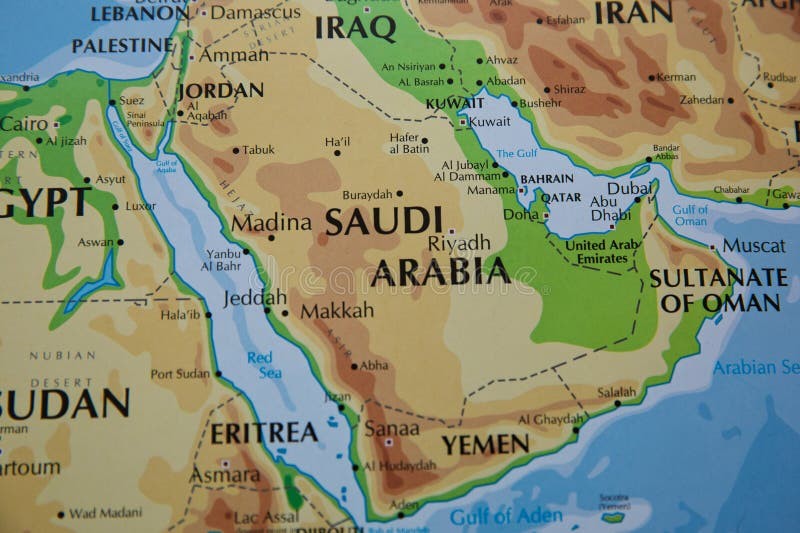
Saudi Arabia said on Thursday that its air defenses intercepted six ballistic missiles launched toward the western cities of Taif and Yanbu, as fighting between Yemen’s Houthis and Saudi-backed government forces intensified along several fronts.
Turki Al-Maliki, spokesman for the Saudi-led coalition fighting the Houthis in Yemen, said in posts on X that the missiles had been intercepted and destroyed before reaching their intended targets. He warned that what he described as further Houthi “escalation and violations” would be met with a firm response.
There was no immediate claim of responsibility from the Houthis. Saudi authorities also did not immediately report casualties or damage from the missile interceptions.
The missile launches came as Saudi-backed Yemeni government forces said they had repelled overnight Houthi attacks near a strategically important road linking the southwestern city of Taiz with the southern port of Aden.
🇸🇦🇾🇪 Saudi Arabia reportedly intercepted 6 BALLISTIC MISSILES that allegedly came from the Houthis.
The strikes targeted the Yanbu port on the Red Sea and the southwestern city of Taif.
The Houthis didn’t immediately claim responsibility.
The Iran-backed group has in recent… pic.twitter.com/e4WIdb74ZU
— Mario Nawfal (@MarioNawfal) September 24, 2026
Government sources said the fighting centered on Hejat al-Abd, a steep mountain pass that serves as a key supply route for government forces and an important conduit for goods entering Taiz and surrounding areas.
The route is also used by residents seeking to leave Yemen, as commercial air services are unavailable from Houthi-controlled areas, according to government sources.
Yemeni government forces said they had pushed back Houthi attacks aimed at positions along the route. The Houthis did not immediately comment on the government’s account.
Recent clashes in Ethiopia and the dissolution of South Sudan’s unity government call the region’s fragile peace into question. These regional dynamics are further complicated by the Houthi advance in the Bab al-Mandeb Strait. @LesleyonAfrica explains: https://t.co/ii3yrOq4MC
— Carnegie Africa Program (@AfricaCarnegie) September 24, 2026
The fighting is part of a broader resurgence of Yemen’s civil war, which had been largely frozen since a 2022 truce.
The Houthis seized the capital, Sanaa, in 2014, prompting Saudi Arabia and its allies to intervene militarily the following year in support of Yemen’s internationally recognized government.
The latest escalation has followed a Houthi advance along parts of Yemen’s western Red Sea coast. The group has captured the port of Mocha and other strategic positions, bringing its forces closer to the Bab el-Mandeb Strait, according to reports on the recent fighting.
#BREAKING: Saudi Arabia’s National Early Warning Platform issues alerts in Makkah, Taif and Jeddah over a potential danger pic.twitter.com/1Nt7Jg1T69
— Saudi Gazette (@Saudi_Gazette) September 24, 2026
The Bab el-Mandeb, which connects the Red Sea with the Gulf of Aden, is a major shipping chokepoint for trade between Asia and Europe. The renewed fighting has therefore raised concerns about the security of commercial shipping and energy flows through the region.
The Houthi gains also have implications for Saudi Arabia’s oil exports. Yanbu, on the Red Sea coast, is an important Saudi oil-export hub and provides an alternative route for shipments when traffic through the Strait of Hormuz is disrupted.
The renewed conflict has also created a growing humanitarian crisis.
The United Nations’ migration agency has reported more than 100,000 people displaced inside Yemen since the latest escalation, while thousands more have crossed the Red Sea toward Africa.

Muhammad Luqman is Associate Editor at Views News Now. He writes on wide-ranging issues including economy, South Asia, the Middle East, agriculture, economy and innovation. Luqman has worked some of the leading news organizations and won acclaim for his original and research-based works.