
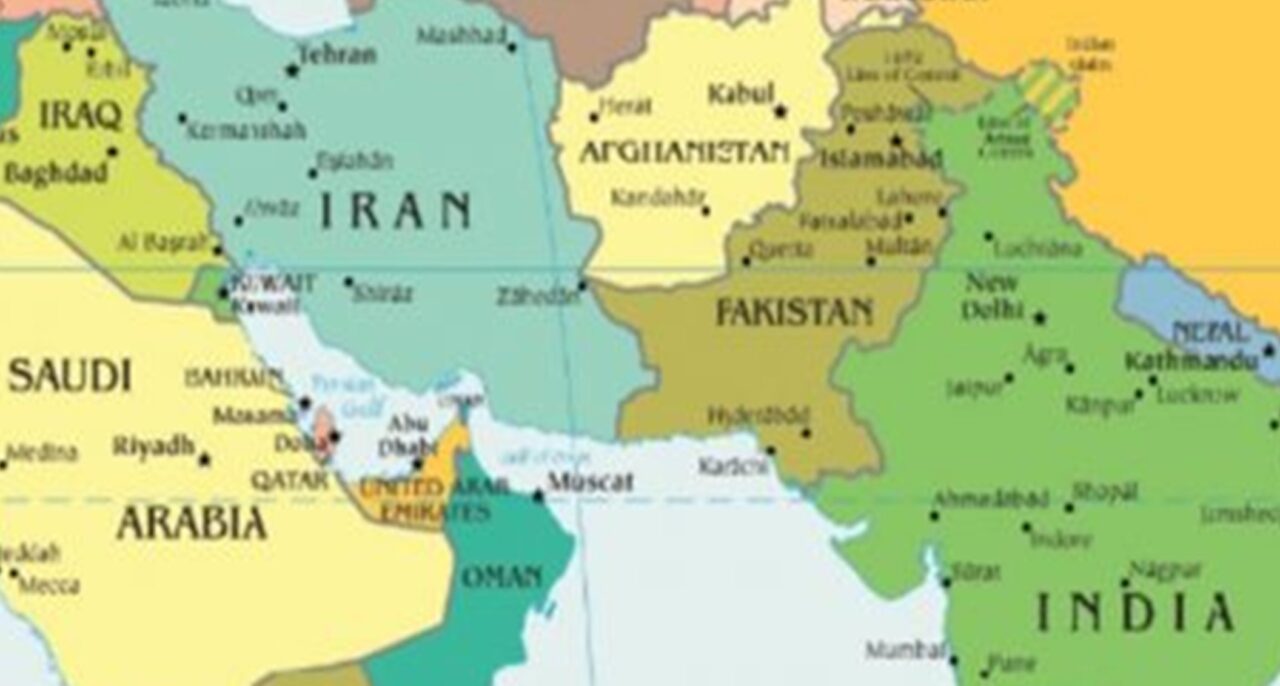
A temblor measuring 6.0 on the Richter scale jolted Pakistan early Monday local time even as people in Punjab and Khyber Pakhtunkhwa provinces struggled to cope with heavy monsoon rains and raging floods. South Asian floods
The earthquake shook people out of sleep after midnight as cities from Punjab’s plains to capital Islamabad and hilly areas of KPK province reported strong tremors.
Some people said it felt as if Pakistan was going through Tsunami-like situation with floods and earthquake hitting the country together. South Asian floods
The quake also jolted parts of neighboring Afghanistan. South Asian floods
According to the Pakistan Meteorological Department the Seismic Network of Pakistan 6.0 magnitude earthquake at 12:08 on September 01 with its epicenter in southern Afghanistan. South Asian floods
There were no immediate reports of loss. South Asian floods
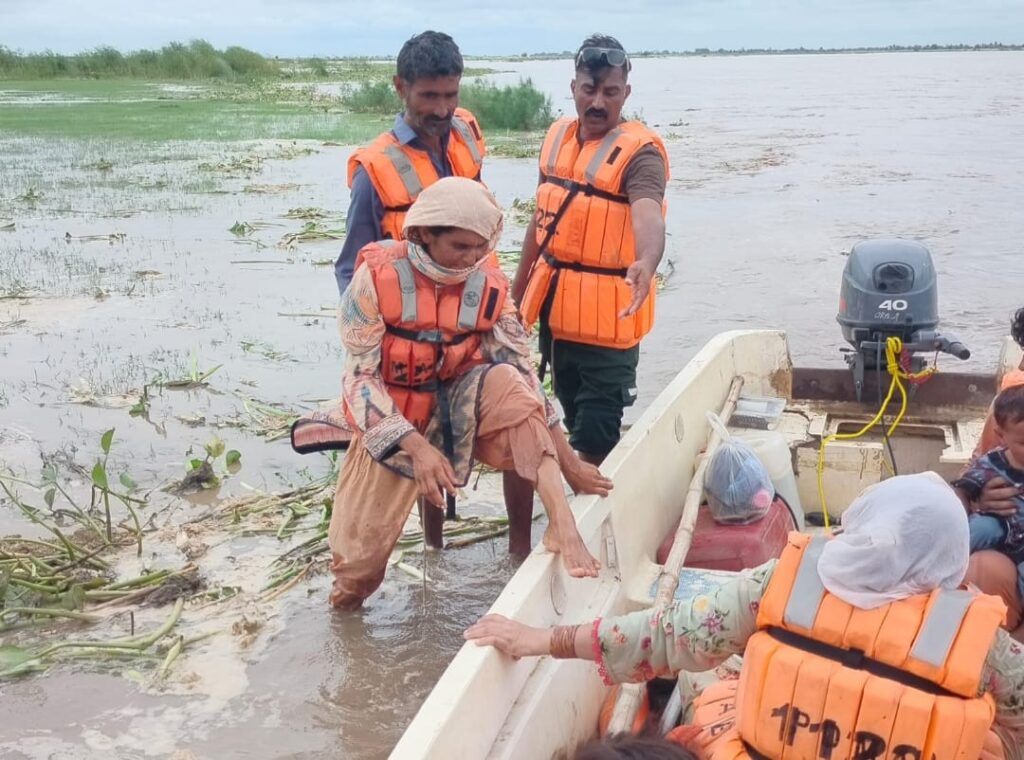
Meanwhile, Punjab province continued to reel under the worst floods in its recent history, with millions of people affected along swollen rivers Chenab, Sutlej, and Ravi. Entire villages have been submerged, crops destroyed, and communities displaced in the wake of relentless monsoon rains compounded by cross-border dam releases. South Asian floods
The crisis deepened after India opened all 12 spillway gates of the Salal Dam, releasing nearly 800,000 cusecs of water into the Chenab River. South Asian floods
Pakistani authorities now fear the “biggest flood wave in Punjab’s history” could inundate districts including Multan and Khanewal in the next 24 to 36 hours. South Asian floods
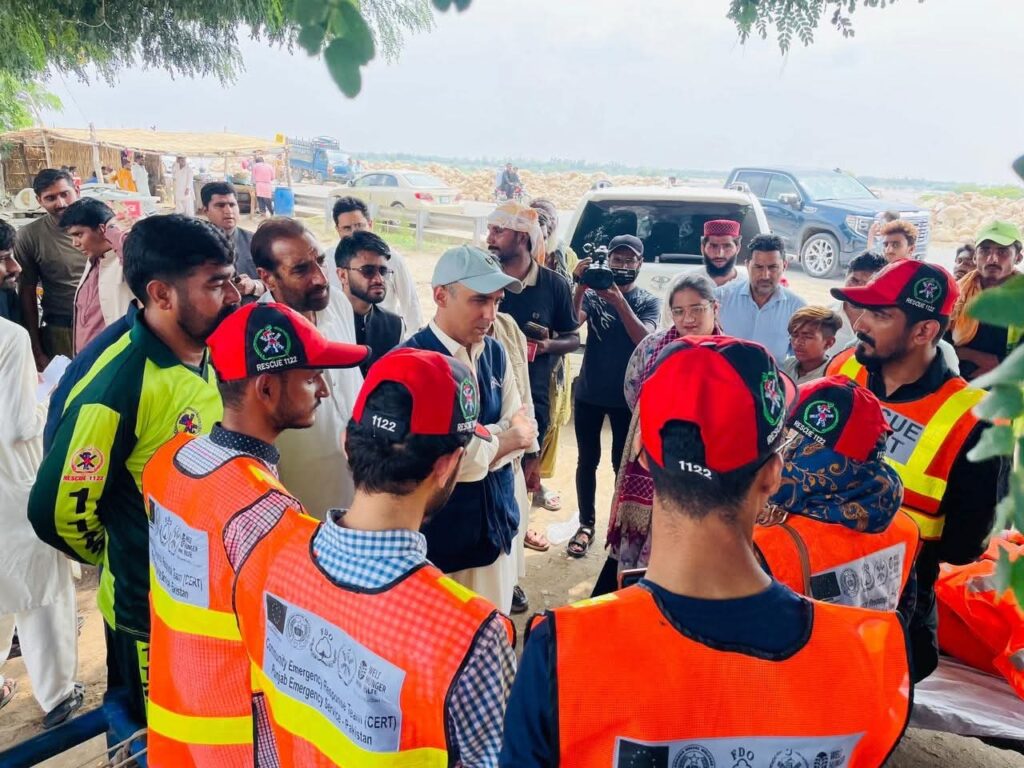
According to officials, over 1,400 villages have been flooded, displacing more than 250,000 people. Rescue workers are scrambling to provide relief, with 700 aid camps and 265 medical posts established across Punjab. South Asian floods
South Asian floods
Pakistan floods: Rains, surging rivers, discharges from India spell more trouble
Yet challenges remain overwhelming: health workers report outbreaks of cholera, hepatitis, malaria, and skin infections due to contaminated water supplies.
Chief Minister Maryam Nawaz’s Punjab government said it is using all resources to relieve the suffering of the people, and evacuated hundreds of thousands of people in the path of floods.
Despite many people volunteering to help the flood-affected people, local communities face bureaucratic obstacles. Residents of Ravi, Lahore, say aid distribution has been politicized. “We were stopped from distributing supplies,” said one villager. “They told us, either put CM Punjab Maryam Nawaz’s picture on the packages, or we won’t allow you. So we took the relief back.”
The Punjab government has not officially commented on such reports.
In Sialkot, the Eastern city of the country, waters roared in River Chenab and citizens said they rarely saw such high-speed flow of water through Head Marala barrage.
Floodwaters have also entered Lahore metropolis from River Ravi, inundating entire neighborhoods, and forcing evacuations from areas close to the river.
In Multan, MNA Syed Ali Qasim Gillani has taken a direct supervisory role over flood response. Under his guidance, flood relief camps and rescue shelters have been established across the riverine belt. He personally visited the Chenab River to inspect erosion sites, the rising water levels, and the rescue operations.
Accompanied by Deputy Commissioner Waseem Hamid Sandhu, Assistant Commissioner Zahid Iqbal, and City Police Officer Sadiq Ali Dogar, Gillani toured flood-hit zones along the Chenab, reviewed water levels, and assessed the administration’s protective actions.
Meanwhile, Multan Commissioner Amir Kareem Khan and the city administration has taken proactive measures to limit casualties. Schools and police facilities have been converted into emergency shelters, offering refuge to families forced from their homes.

Punjab, Pakistan’s agricultural heartland, now faces devastating long-term consequences. Vast stretches of farmland are underwater, raising fears of food insecurity in a region that feeds much of the country. Since June, more than 800 people have died in weather-related incidents across Pakistan, underscoring the escalating impact of climate change on South Asia’s most vulnerable populations.
The ferocious flood waters are likely to enter southern province Sindh in the next couple of days, where the provincial government says it has taken preventive measures to save life and property of people.
The Punjab floods highlight a dual challenge: climate volatility and regional water politics as a historic Indus Waters Treaty between India and Pakistan remains suspended.
Follow for more: Twitter (X) | Facebook | Instagram | LinkeIn

Kiran Asim is a writer who covers the U.S., Europe, South Asia, and the Middle East. Her reports and analyses look at the geostrategic issues and contemporary developments and their economic and political implications. She also writes about society and education.







