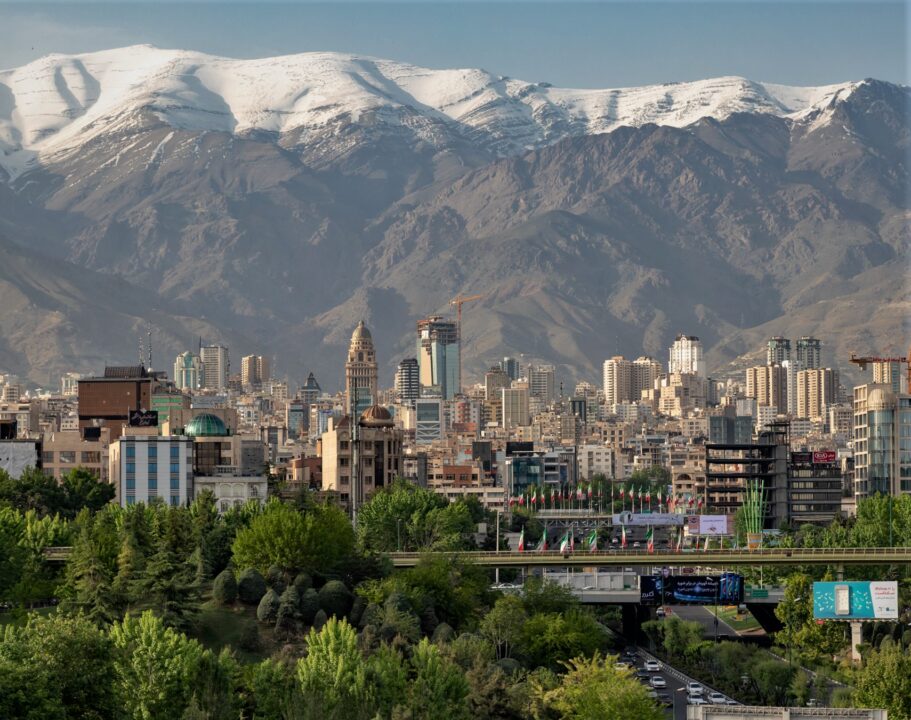
A senior Pakistani minister arrived in Tehran on Saturday for talks with Iranian officials aimed at launching negotiations under the U.S.–Iran peace deal, with a focus on resolving contentious issues within the mandated 60-day window.
The agreement was signed electronically by U.S. President Donald Trump, Iranian President Masoud Pezeshkian, and Pakistani Prime Minister Shehbaz Sharif, who served as mediator.
Interior Minister Mohsin Naqvi’s visit comes days after Washington and Tehran signed an initial peace agreement aimed at reducing tensions and paving the way for broader negotiations.
Uncertainty now surrounds the next diplomatic phase, after planned follow-up talks in Switzerland failed to proceed as expected amid renewed tensions linked to Israeli military operations in Lebanon.
According to Axios, U.S. Special Envoy Steve Witkoff and Iranian Foreign Minister Abbas Araghchi had been expected to travel to Switzerland for talks following Friday’s ceasefire in Lebanon. Those Geneva negotiations—which were to include U.S. Vice President JD Vance—were later called off after renewed Israeli military operations in southern Lebanon, casting doubt on the diplomatic process going forward.
Naqvi has made several visits to Iran along with Army Chief Asim Munir since the U.S.–Iran conflict escalated in late February, acting as a key interlocutor between the two sides.
During his most recent trip to Tehran on June 7, he met with Foreign Minister Abbas Araghchi, Interior Minister Eskandar Momeni, and other senior Iranian officials, as part of the push to help the two countries finalize the deal.
Iran’s state-run Islamic Republic News Agency (IRNA) reported: “Naqvi will follow up on the progress of the negotiations between Iran and the United States in Tehran.”
Earlier, Pakistan’s Deputy Prime Minister and Foreign Minister Ishaq Dar conveyed his best wishes to Iranian Foreign Minister Abbas Araghchi for the next round of talks, expressing hope they would yield positive results.
The U.S.–Iran agreement—brokered with Pakistan’s support and formally signed by Prime Minister Shehbaz Sharif as mediator—includes provisions for reopening the Strait of Hormuz, easing restrictions on Iranian oil exports, and establishing a 60-day negotiation framework to resolve longstanding disputes over Iran’s nuclear program and regional security issues.
Pakistan has maintained an active diplomatic role throughout the crisis.
In addition to hosting rare U.S.–Iran talks in April, Islamabad has facilitated back channel communications and coordinated mediation efforts with regional and international partners—including Saudi Arabia, Qatar, Türkiye, Egypt, and China—in support of a broader diplomatic settlement.

Muhammad Luqman is Associate Editor at Views News Now. He writes on wide-ranging issues including economy, South Asia, the Middle East, agriculture, economy and innovation. Luqman has worked some of the leading news organizations and won acclaim for his original and research-based works.