Pakistan, which has been mediating between the United States and Iran, on Thursday expressed hope that the two sides would soon reach an agreement to end the Middle East conflict, as Tehran said it was reviewing Washington’s latest proposal.
The United States has reportedly presented a one-page memorandum of understanding that would gradually reopen the Strait of Hormuz and ease the American blockade on Iranian ports. Broader negotiations over Iran’s nuclear program would follow at a later stage, although no final agreement has yet been reached.
“We expect an agreement sooner rather than later,” Pakistani Foreign Ministry spokesperson Tahir Andrabi said, even as President Donald Trump combined optimism about progress with stern warnings of consequences for Iran if it failed to agree to a deal.
“We hope the parties will reach a peaceful and sustainable solution that will contribute not only to peace in our region but to international peace as well,” the spokesperson added.
However, Andrabi did not disclose details of the ongoing diplomatic efforts.
Trump Issues Stark Choice to Iran: Deal or Bomb, as Talks Advance
The conflict erupted on February 28, when the United States and Israel launched coordinated strikes against Iran, triggering a sharp escalation across the region. In response, Iran targeted US military installations and energy infrastructure in several Middle Eastern countries, causing major disruption to regional security and global energy markets.
Asian financial markets responded positively to signs of diplomatic progress between Washington and Tehran. Japan’s Nikkei 225 surged more than 5% to a record high after trading resumed following a holiday break, while regional benchmarks across Hong Kong, Taiwan, and Australia also advanced sharply. Investors welcomed hopes that a possible agreement could ease geopolitical tensions, stabilize oil supplies, and reduce pressure on global inflation. Wall Street indexes had already closed at record highs overnight, supported by strong corporate earnings and falling energy prices.
US, Iran Move Closer to Framework Deal; Islamabad, Geneva Emerge as Potential Venues
Pakistan Foreign Ministry spokesperson also avoided giving any specific timeline for a possible agreement between Washington and Tehran.
“I will not comment on specifics or the movement of messages,” he said.
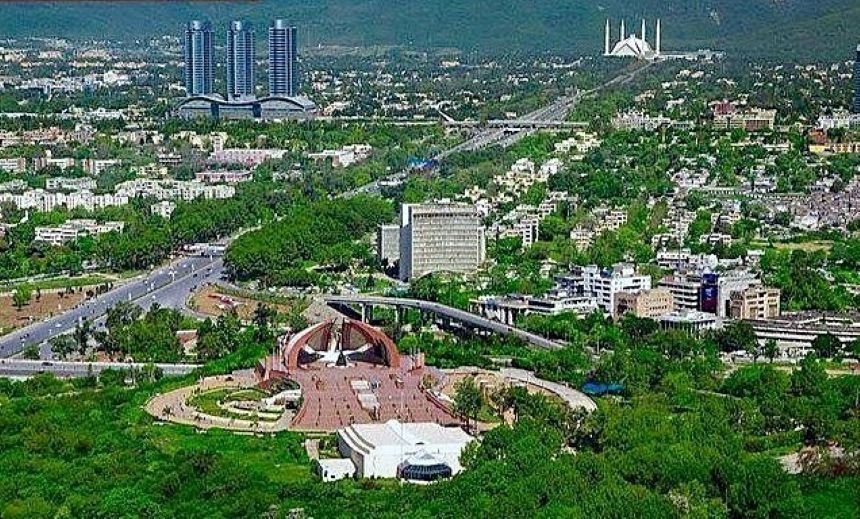
Islamabad hosted the first direct diplomatic engagement between senior leaders of the two countries in nearly 50 years following Iran’s 1979 Islamic Revolution. However, the next round of talks planned in Islamabad failed to materialize after Iran said it would not negotiate while the United States continued enforcing a blockade on its ports.
Tehran has banned international shipping through the Strait of Hormuz, while Washington has imposed restrictions on trade to and from Iranian ports.
The two sides have exchanged a series of proposals through Pakistan, whose Prime Minister Shehbaz Sharif and Army Chief Asim Munir have been engaged in backchannel diplomacy.
In his latest comments, Sharif said Islamabad had remained in “continuous contact with Iran and the United States, day and night, to stop the war and extend the ceasefire.”
The conflict has severely disrupted global energy supplies through the Strait of Hormuz, one of the world’s most critical oil shipping routes. The waterway normally handles roughly one-fifth of global oil and liquefied natural gas shipments, but restrictions on maritime traffic and security concerns have sharply reduced exports from the Gulf region. Analysts have described the disruption as one of the largest shocks to global energy markets in decades, contributing to sharp spikes in crude prices, fuel shortages in parts of Asia, and renewed fears of inflation and supply-chain instability.

Kiran Asim is a writer who covers the U.S., Europe, South Asia, and the Middle East. Her reports and analyses look at the geostrategic issues and contemporary developments and their economic and political implications. She also writes about society and education.