The long-simmering tensions between Pakistan and the Taliban-led administration in Afghanistan have boiled over into a series of violent border skirmishes, marking a significant deterioration in regional security.
On late Tuesday night, a synchronized wave of “unprovoked” fire from the Afghan side ignited a multi-sector conflict spanning the rugged frontier of Khyber Pakhtunkhwa, drawing a swift and lethal retaliatory campaign from the Pakistan Army.
In response, Pakistan has launched Operation Ghazab Lil Haq against the Afghan Taliban regime following its “unprovoked aggression,” state-run broadcaster PTV News reported.
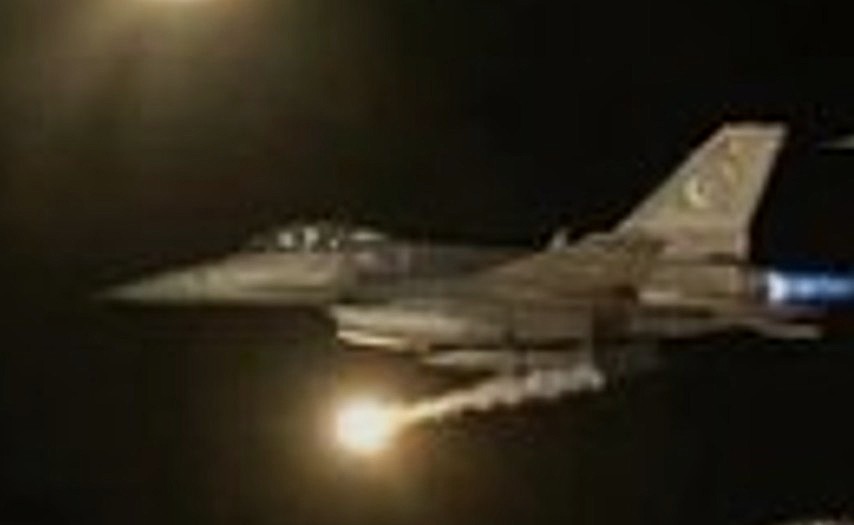
Pakistan Air Force conducted new strikes against militant targets, destroying an ammunition depot in Afghanistan’s Nangarhar province.
According to Afghan Taliban sources, Taliban Minister Nida Mohammad Nadeem was killed in a Pakistani airstrike. The attack took place while he was mobilizing forces near Spin Boldak.
🚨Operation Ghazab Lil Haq / Update#Kabul, #Afghanistan 3 AM, 27th February 2026#آپریشن_غضب_للحق #OperationGhazabLilHaqq pic.twitter.com/TZmxccaJLn
— PTV News (@PTVNewsOfficial) February 26, 2026
President Asif Ali Zardari said the country would not compromise on peace and territorial integrity.
The airstrikes reportedly targeted Afghan Taliban’s important military installations in Kabul, Kandahar and Paktika. The Pakistani strikes destroyed two brigade headquarters in Kabul and one corps headquarters and one brigade headquarter in Kandahar province, according to PTV News.
Besides, the operation targeted an ammunition depot and logistics base in Kandahar, and a a corps headquarters in Paktika province.
Pakistan official sources said Pakistan took out 175 TTP and 71 Afghan Taliban forces in the military operations.
Pakistan Says Strikes in Afghanistan Targeted Imminent Terror Threats
According to Pakistani Information Minister Attaullah Tarar, the clashes have resulted in the deaths of two Pakistani security personnel, while at least 36 operatives of the Afghan Taliban have been killed in the counter-offensive.
The hostilities were not isolated to a single point; rather, they erupted across a broad arc including the Chitral, Khyber, Mohmand, Kurram, and Bajaur sectors.
While the Taliban regime initially claimed to have launched a cross-border offensive, Islamabad’s response was described by officials as “immediate and effective.”
Sources indicate that Pakistani forces utilized targeted strikes to dismantle Afghan communication stations and destroyed several border checkposts and military hardware.
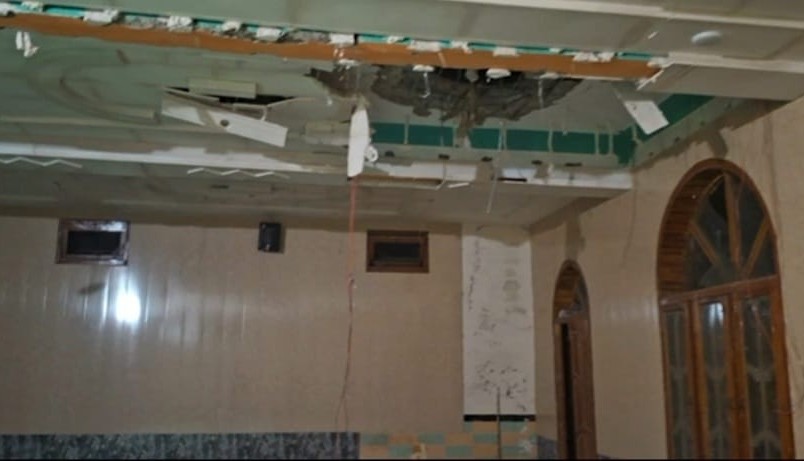
The nature of the conflict took a grim turn during the holy month of Ramadan. Reports from the Pakistan Strategic Forum suggest that after failing to breach military positions, Taliban forces targeted civilian areas. In a particularly distressing incident, a mosque in Bajaur was reportedly fired upon during Taraweeh prayers.
This shift toward civilian targets has sparked a grassroots mobilization. In Kurram and Bajaur, local residents have reportedly taken up arms to defend their homes, fighting alongside the Pakistan Army—a visual testament to the hardening stance of the border populations against the “Khwarij” (renegade) elements.
As artillery shells fell near residential compounds in Landi Kotal, a parallel battle for information emerged. While some reports suggested significant disruptions, Mosharraf Zaidi, the Prime Minister’s spokesperson for foreign media, maintained a firm stance:
“Not only have no Pakistani posts been captured or damaged, but the Pakistani side has inflicted heavy losses… Any claims of damage to Pakistan are little more than the fantasy of India’s proxies in Afghanistan.”

Despite the robust official denials of territory loss, the humanitarian impact is undeniable. The Torkham border—closed since October—remains a flashpoint, and Afghan families awaiting repatriation were forced back into holding centers as the “zero point” became a combat zone.
These skirmishes follow closely on the heels of Pakistani airstrikes in Afghanistan’s Nangarhar and Paktika provinces, which Islamabad claims neutralized over 100 militants. The message from Pakistan’s leadership, echoed by Parliamentary Affairs Minister Tariq Fazal Chaudhry, is clear: the era of “strategic patience” regarding cross-border militancy has ended.
As the smoke clears over the Khyber Pass, the international community faces a sobering reality. The border between these two neighbors is no longer just a site of friction; it is a live front. With both sides refusing to blink, the risk of a localized skirmish spiraling into a wider conventional conflict has never been higher.

Asim Tanveer is a seasoned journalist working for TV and electronic and print media outlets. He has been working for some of the world’s leading news organizations including Associated Press (AP), Reuters, BBC, CNN, CNBC, Star TV, Voice of America and The New York Times for more than 30 years. He has won several awards for his live coverage of events that include a Reuters News Agency World Award and the Pride of Performance award in 1997.

Muhammad Luqman is Associate Editor at Views News Now. He writes on wide-ranging issues including economy, South Asia, the Middle East, agriculture, economy and innovation. Luqman has worked some of the leading news organizations and won acclaim for his original and research-based works.

Kiran Asim is a writer who covers the U.S., Europe, South Asia, and the Middle East. Her reports and analyses look at the geostrategic issues and contemporary developments and their economic and political implications. She also writes about society and education.