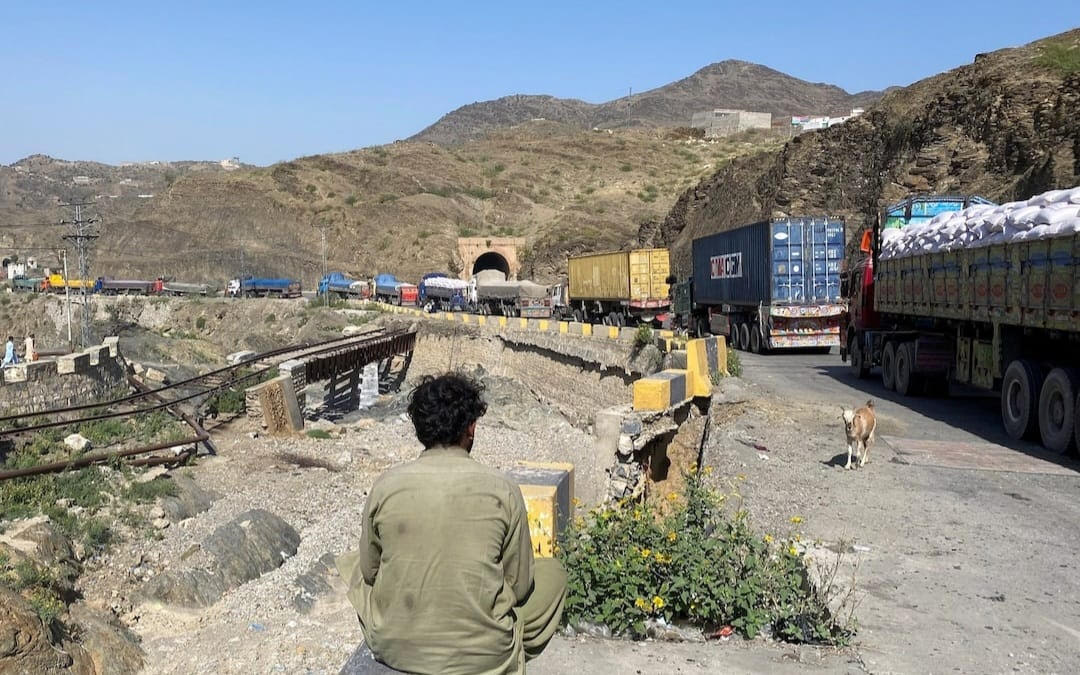
Tensions between Pakistan and Afghanistan flared once again on Tuesday night, as fresh clashes broke out between Pakistani forces and the Afghan Taliban in the Kurram district of Khyber Pakhtunkhwa, according to state media. trade
“Afghan Taliban and Fitna al-Khawarij opened unprovoked fire in Kurram. The Pakistan Army responded with full force and intensity,” reported PTV News, quoting security sources via X (formerly Twitter).
The term Fitna al-Khawarij is used by the Pakistani state to refer to militants of the banned Tehreek-i-Taliban Pakistan (TTP), a group that Islamabad accuses Kabul of sheltering.
Pakistan-Afghanistan clashes threaten regional stability as trade crossings closed https://t.co/gp4LbNO0wf via @ViewsNewsNow #AfghanistanAndPakistan #India #SouthAsia #US #CentralAsia #Pakistan
— Views&News (@ViewsNewsMag) October 12, 2025
PTV added that Afghan Taliban border posts sustained significant damage during the exchange, with one tank catching fire and several Taliban fighters reportedly fleeing their positions. In a follow-up post, the broadcaster claimed that another Taliban post and tank position had been destroyed in the same sector.
This latest exchange comes on the heels of deadly weekend hostilities, when Afghan Taliban fighters reportedly launched an unprovoked assault on Pakistani military posts along the border.
According to Pakistan’s military media wing, the Inter-Services Public Relations (ISPR), the attack resulted in the deaths of 23 Pakistani soldiers. In retaliation, Pakistani forces reportedly killed over 200 Taliban and affiliated militants.
کرم سیکٹر اپڈیٹ/ *تازہ ترین
پاک فوج کی افغان طالبان اور فتنہ الخوارج کے خلاف پے در پے کاروائیاں جاری – سیکیورٹی ذرائع
خوست، افغانستان میں پانچویں ٹینک پوزیشن نارگسرپوسٹ *پر کھڑے ٹینک اور اسکے کریو کو بھی تباہ کر دیا گیا، سیکیورٹی ذرائع
طالبان اور فتنہ الخوارج کے متعدد… pic.twitter.com/XVkDlItxVo
— PTV News (@PTVNewsOfficial) October 14, 2025
While Afghanistan claimed its actions were in response to alleged Pakistani airstrikes inside Afghan territory, Islamabad has neither confirmed nor denied conducting such strikes. However, it reiterated its long-standing demand that Kabul take action against terrorist groups using Afghan soil to launch cross-border attacks into Pakistan.
Despite Islamabad’s repeated calls for action against the TTP, the Taliban government denies the presence of such groups and maintains that Afghan territory is not used to threaten neighboring states.
Amid these heightened tensions, the regional and international community has taken note. Reports suggest that the U.S. and China have expressed willingness to mediate and help de-escalate the situation.
Trump indicates willingness to mediate Pakistan-Afghanistan conflict
Meanwhile, Pakistan’s Defense Minister Khawaja Asif described bilateral relations as virtually frozen.
“There are no ties, direct or indirect, as of today,” Asif said in an interview with Geo News. “There’s a stalemate. You could say there are no active hostilities right now, but the environment is hostile.”
Asif warned that hostilities could resume at any time and cast doubt on the prospect of negotiations under the current conditions.
“If Afghanistan wants to negotiate while simultaneously issuing threats, then they should act on those threats — and we’ll talk afterward,” he said. “If you are attacked, you have the natural right to respond and strike wherever the aggression originates from.”
The ongoing tensions highlight the deepening rift between Islamabad and Kabul, rooted in growing security concerns and accusations over cross-border militancy — a dynamic that continues to destabilize already fragile bilateral ties.
Follow for more: Twitter (X) | Facebook | Instagram | LinkeIn

Muhammad Luqman is Associate Editor at Views News Now. He writes on wide-ranging issues including economy, South Asia, the Middle East, agriculture, economy and innovation. Luqman has worked some of the leading news organizations and won acclaim for his original and research-based works.