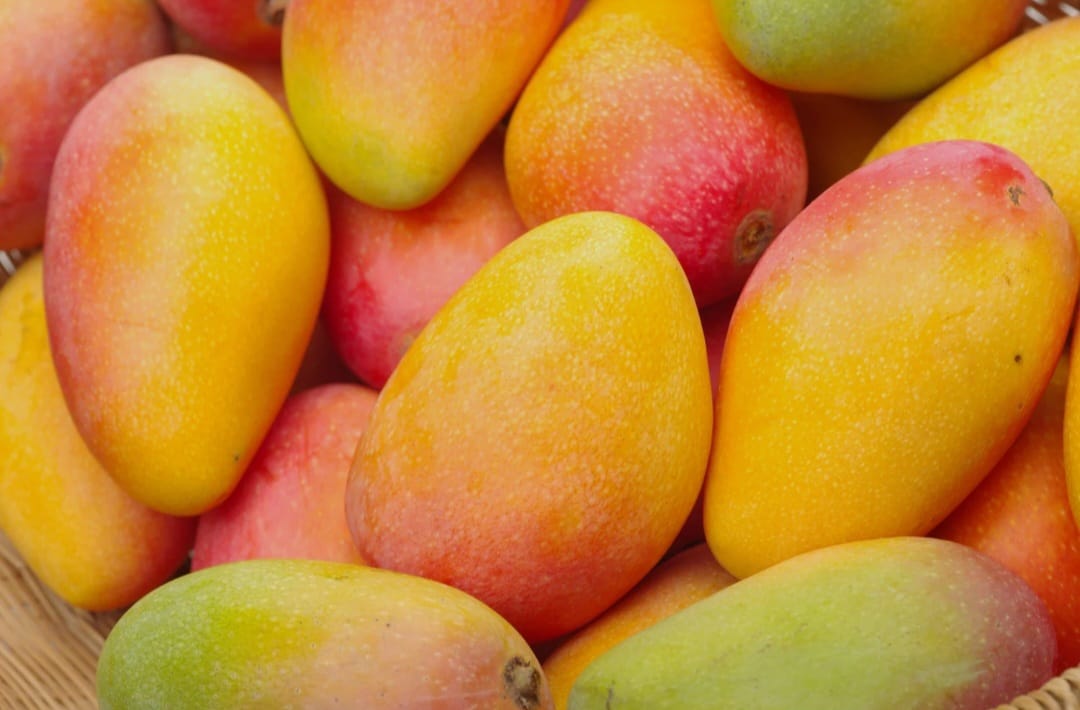
Japan has suspended imports of Indian mangoes for the first time in nearly two decades following reported concerns identified during an inspection of a vapour heat treatment (VHT) facility in India.
The decision affects several premium varieties, including Alphonso, Kesar, Langra, Banganapalli, Chaunsa and Malika, which are typically exported to Japan during the peak season from April to June.
Japanese quarantine officials visited a VHT facility in Rehmanpur, Uttar Pradesh, in March, where they reportedly found shortcomings in fumigation and disinfection procedures. Under the bilateral export protocol, all mangoes destined for Japan must undergo VHT to ensure they are free from pests and fruit fly larvae before shipment.
Following the inspection, the Yokohama Plant Protection Association announced that mango consignments certified after 25 March 2026 would no longer be accepted. The suspension will remain in place until Japanese authorities are satisfied that the facility meets the required operational and phytosanitary standards.

Fresh Challenge for Exporters
The move represents another setback for India’s mango export sector, which is already navigating multiple difficulties.
In Maharashtra’s Konkan region, extreme heatwave conditions have reportedly affected this year’s Alphonso mango harvest, reducing yields and compromising fruit quality. Exporters have also been contending with higher freight costs, shipping delays and container shortages linked to ongoing instability and conflict in the Middle East.
According to export figures cited by the Economic Times, India exported nearly 30,000 tons of mangoes to international markets during the 2024/25 fiscal year, generating revenues of approximately US56.5million.
Exports of fresh and processed mango products to Japan were valued at around US 56.5million. Exports of fresh and processed mango products to Japan were valued at around US1.54 million, with Gujarat’s Kesar variety accounting for the largest share of shipments.
Although Ja an represents a relatively small destination in terms of export volume, it is regarded as a highly valuable premium market. Japanese buyers typically pay higher prices for fruit that meets the country’s stringent quality and food safety requirements.
Long History of Market Access
This is not the first time Indian mangoes have faced restrictions in Japan. In 1986, Japan halted imports over concerns related to fruit fly infestations. Market access was restored only in 2006 after years of scientific assessments, pest monitoring, infrastructure upgrades and the introduction of VHT systems designed to meet Japan’s strict quarantine standards.
Under the current export arrangement, India is authorized to export six mango varieties—Alphonso, Kesar, Banganapalli, Langra, Chaunsa and Malika—to Japan. Shipments must originate from approved facilities located in Andhra Pradesh, Maharashtra, Gujarat, Uttar Pradesh and West Bengal.
Industry stakeholders are now awaiting further discussions between Indian and Japanese authorities in hopes of resolving the issue and restoring access to one of the world’s most quality-conscious fruit markets.

Asim Tanveer is a seasoned journalist working for TV and electronic and print media outlets. He has been working for some of the world’s leading news organizations including Associated Press (AP), Reuters, BBC, CNN, CNBC, Star TV, Voice of America and The New York Times for more than 20 years. He has won several awards for his live coverage of events that include a Reuters News Agency World Award and the Pride of Performance award in 2010.