Iranian President Masoud Pezeshkian on Tuesday called for a transformative shift in the Middle East’s security landscape, proposing a new regional framework anchored in dialogue, mutual respect, and collective interest during his first bilateral visit to key ally Pakistan since the outbreak of war nearly four months ago.
Pezeshkian floated the idea during a joint Press Conference with host leader Prime Minister Shehbaz Sharif, who was in Switzerland as mediator in the opening round of U.S.-Iran talks after an initial peace deal.
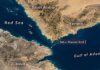
Islamabad, and later Qatar, facilitated the often testy negotiations over the future of Iran’s nuclear program and the control of Hormuz waterway.
The talks between the two sides culminated last week when President Donald Trump and Pezeshkian signed an initial peace agreement named “Islamabad Memorandum of Understanding.”
Trump Says Iran Agreed To Allow In Nuclear Inspectors Despite Denials
“Iran extends its hand of friendship to Islamic countries to build a common understanding and establish a new security architecture in the region,” Pezeshkian said as international shipping resumed through the Strait of Hormuz, which was almost totally blocked throughout the conflict.
“I believe Muslims shall form a united front against their enemies,” he added, without specifying any “enemies.”
The visit marks a significant development in the regional diplomacy, as Pezeshkian chose Islamabad for his first foreign trip since coordinated U.S.-Israeli strikes on Iranian military facilities in late February triggered a cycle of retaliatory attacks that have rattled the energy-rich Gulf states and raised security concerns across South Asia.
In First Bilateral Visit After US Deal, Iran President Seeks Peace, Closer Pakistan Ties
Iran’s invitation to Saudi Arabia is especially notable, as the two have long been regional rivals vying for influence across the Gulf and beyond. Equally significant is the venue itself: Pakistan has earned global recognition for its mediation role, standing as perhaps the only major power with credible ties to both Washington and Tehran—having neither participated in kinetic action against Iran nor provided basing or logistical support to any party to the conflict, thus preserving its impactful neutrality.
Adding further weight, Pakistan is a major nuclear power in South Asia with a substantive military presence in Saudi Arabia, positioning it as one of the key players in the broader Middle Eastern security landscape. Islamabad’s impressive performance in the conflict against India in 2025 elevated its profile as a major military power in Asia and the Middle East.
The proposal itself is not entirely novel—Tehran has previously teased similar security architectures—but the timing and Pezeshkian’s explicit offer of friendship to Arab nations recently targeted by Iranian retaliation, including Saudi Arabia and the UAE, lend the initiative unexpected weight.
‘Very Good, We Love Pakistan’: Vance Hails Islamabad’s Role in US-Iran Peace Deal
Pezeshkian urged Muslim nations—including Pakistan, Qatar, Saudi Arabia, Egypt, and Turkey—to forge a common strategic understanding capable of reshaping the region’s security architecture.
He framed the initiative as both a practical necessity and a moral imperative, asserting that the unity of the Islamic Ummah is indispensable in confronting shared challenges.
The Iranian president underscored that sustainable peace, stability, and economic prosperity in West Asia and the Persian Gulf can only be realized through honest engagement and inclusive regional cooperation.

He commended Pakistan’s crucial diplomatic role in de-escalating tensions and advancing stability, describing Islamabad’s efforts as “responsible and forward-looking.”
Pezeshkian characterized his delegation-level talks with Pakistani leadership as “constructive” and wide-ranging, covering both bilateral relations and pressing regional developments.
“We are determined to use the positive existing atmosphere to usher in a new era and open a new chapter in bilateral relations,” he stated.
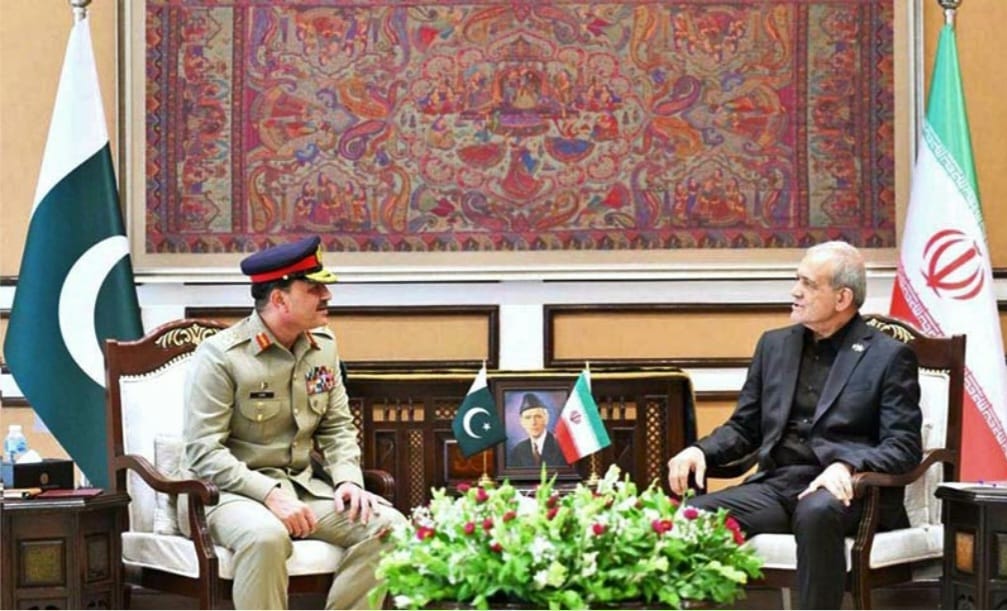
On the economic front, the Iranian president emphasized the untapped potential between the two nations, citing significant commercial capacity and a strong political will to expand cooperation. He noted that ministers and technical teams from both countries are actively working to remove bureaucratic obstacles and operationalize agreements reached during earlier engagements.
Elevating the bilateral relationship, Pezeshkian said, would not only reflect the two countries’ stature within the Muslim world but also serve as a replicable model of solidarity, brotherhood, and mutual development.
He further reinforced the enduring ties between Iran and Pakistan, stating: “Pakistan for us is not merely a neighboring country. It is a brotherly and friendly country with which we share deep historical, cultural, religious, and popular bonds.”
Speaking alongside the Iranian leader, Prime Minister Sharif reaffirmed his country’s commitment to sustained diplomatic engagement as a pillar of regional peace.
Following the bilateral talks, Sharif pledged that Pakistan would continue its mediation efforts to prevent conflict and foster long-term stability.
“We will carry on this important role until everlasting peace is in place on terms and conditions dictated by dignity and honor,” Sharif declared, underscoring Pakistan’s resolve to act as a responsible stakeholder in regional security.
The visit marks a significant diplomatic overture amid shifting geopolitical dynamics in the Middle East and South Asia, with both sides signaling readiness to deepen cooperation across political, economic, and security domains.
Whether Pezeshkian’s proposal gains traction among Gulf capitals remains to be seen, but the very act of extending it—on Pakistani soil, at this volatile juncture—has already reset regional expectations.

Muhammad Luqman is Associate Editor at Views News Now. He writes on wide-ranging issues including economy, South Asia, the Middle East, agriculture, economy and innovation. Luqman has worked some of the leading news organizations and won acclaim for his original and research-based works.

Kiran Asim is a writer who covers the U.S., Europe, South Asia, and the Middle East. Her reports and analyses look at the geostrategic issues and contemporary developments and their economic and political implications. She also writes about society and education.