The member countries of the International Energy Agency (IEA) have agreed to release a record 400 million barrels of oil from their emergency stockpiles to stabilize global markets disrupted by the ongoing conflict in the Middle East.
The decision was reached unanimously by the agency’s 32 member states following an extraordinary meeting convened by IEA Executive Director Fatih Birol to assess the impact of the conflict on energy markets and consider options to address supply disruptions.
“The oil market challenges we are facing are unprecedented in scale,” Birol said, welcoming the coordinated action. “Oil markets are global, and the response to major disruptions must also be global.”
The emergency stocks will be made available to the market over a timeline determined by each member country’s national circumstances, and some governments are expected to introduce additional emergency measures alongside the coordinated release.
Oil Surge and Trade Disruptions Portend Economic Fallout from Iran Conflict
IEA members currently hold more than 1.2 billion barrels in emergency reserves, with another 600 million barrels maintained by industry under government obligations.
The coordinated release marks the sixth such intervention since the IEA was established in 1974 to safeguard global energy security. Previous joint stock releases occurred in 1991, 2005, 2011 and twice in 2022.
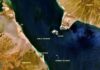
Oil supply has been significantly disrupted since the Middle East conflict began on February 28, with crude and refined product flows through the Strait of Hormuz — a critical global shipping route — falling to less than 10% of pre-conflict levels.
Around 20 million barrels per day of crude oil and petroleum products passed through the strait in 2025, accounting for roughly a quarter of the world’s seaborne oil trade. Alternative routes for bypassing the strait remain limited.
Middle East Crisis Strains Global Aviation as Fuel Costs Soar
The IEA said further details on how the coordinated stock release will be implemented will be announced in due course, adding that it will continue to closely monitor global oil and gas markets and advise member governments as needed.
Analysts said the unprecedented release could help stabilize markets, though prices may remain volatile as long as disruptions to Middle East oil shipments persist.

Asim Tanveer is a seasoned journalist working for TV and electronic and print media outlets. He has been working for some of the world’s leading news organizations including Associated Press (AP), Reuters, BBC, CNN, CNBC, Star TV, Voice of America and The New York Times for more than 30 years. He has won several awards for his live coverage of events that include a Reuters News Agency World Award and the Pride of Performance award in 1997.