A massive winter storm battered large parts of the eastern United States on Sunday, bringing heavy snow, ice and freezing temperatures that disrupted travel and daily life for millions, with more than 200 million people under weather warnings nationwide.
More than 500,000 customers were without electricity and over 10,000 flights were cancelled as the storm swept across the eastern half of the country, grounding air travel and straining power grids.
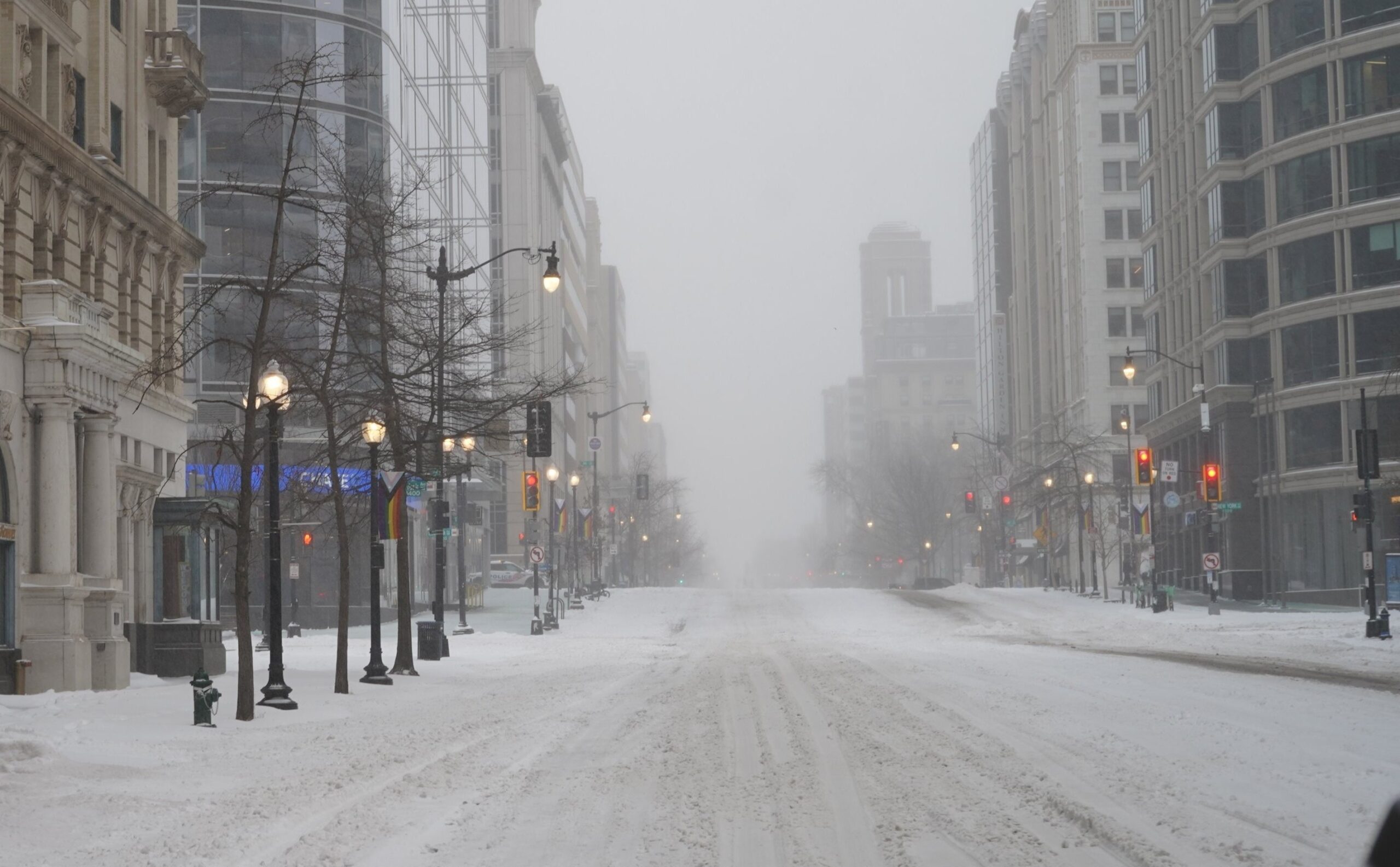
The storm blanketed wide swathes of the region in snow, including the Washington metropolitan area, North Carolina, New York and New Jersey, according to flight tracking website FlightAware.
Thank you to everyone who supported the Snow Team by staying off the roads today.
Crews are still out clearing snow and ice, and they’ll be out until the streets are cleared.
If you must go out, be careful, use caution, and give vehicles and pedestrians plenty of space. pic.twitter.com/vUEscePXer
— Mayor Muriel Bowser (@MayorBowser) January 25, 2026
Forecasters warned that snow, sleet, freezing rain and dangerously cold temperatures would continue to affect the eastern two-thirds of the nation through the weekend and into the coming week.
Calling the storms “historic,” President Donald Trump on Saturday approved federal emergency disaster declarations for South Carolina, Virginia, Tennessee, Georgia, North Carolina, Maryland, Arkansas, Kentucky, Louisiana, Mississippi, Indiana and West Virginia.
“We will continue to monitor, and stay in touch with all states in the path of this storm. Stay safe, and stay warm,” Trump said in a post on Truth Social.
Seventeen states and the District of Columbia have declared weather emergencies, according to the Department of Homeland Security (DHS).
With ice and heavy demand on the power grid tonight, power outages are possible.
Here’s how to stay prepared:
✅Charge phones and essential devices
✅Have flashlights ready
✅Make a plan with your family
✅Save https://t.co/MsTMXeBUs8More winter power outage safety tips: pic.twitter.com/LPivhzPpw8
— DC Homeland Security & Emergency Management (@DC_HSEMA) January 25, 2026
DHS Secretary Kristi Noem urged Americans to take precautions as the extreme cold set in.
“It’s going to be very, very cold,” Noem said at a news conference on Saturday. “We encourage everybody to stock up on fuel, stock up on food, and we will get through this together.”
In the nation’s capital, snow-covered roads and sidewalks slowed travel overnight as crews worked to clear major routes. Mayor Muriel Bowser warned that freezing temperatures could worsen conditions.
“The cold temperatures mean the snow is not going anywhere, and what we see now could freeze,” Bowser said. “We are asking residents, as they are able, to start clearing their own walkways and sidewalks. If you need to go outside, travel carefully, dress warmly and be patient.”
The snow and cold are not letting up. If you see someone who needs shelter, please call 311. pic.twitter.com/j7Jqqc2i9O
— Mayor Zohran Kwame Mamdani (@NYCMayor) January 25, 2026
Power outages continued to rise throughout the day. By noon on Sunday, more than 500,000 customers nationwide were without electricity, according to PowerOutage.us.
To reduce the risk of further blackouts, the Department of Energy (DOE) on Saturday issued an emergency order authorizing the Electric Reliability Council of Texas to deploy backup power generation at data centers and other major facilities.
On Sunday, the DOE issued a separate emergency order allowing grid operator PJM Interconnection to operate specified power resources in the mid-Atlantic region, regardless of limits imposed by state laws or environmental permits.
The National Weather Service warned that the storm was unusually expansive and long-lasting, with widespread ice accumulation expected across parts of the Southeast, where “crippling to locally catastrophic impacts” could occur.

Iftikhar Ali is a veteran Pakistani journalist, former president of UN Correspondents Association, and a recipient of the Pride of Performance civil award