In a pivotal moment for Middle East stability, direct negotiations between the United States and Iran concluded in Muscat on Friday, marking the first high-level indirect engagement since U.S. airstrikes crippled Iranian nuclear facilities last June.
Speaking to reporters aboard Air Force One, President Donald Trump struck an optimistic yet stern tone, describing the discussions as “very good.”
“Iran looks like they want to make a deal very badly,” Trump said. “We have to see what that deal is, but it’s certainly going to be different than last time.”
Despite the cordiality of the Oman-mediated meeting, President noted in a chilling warning: if a new agreement is not reached, the “consequences will be very severe.”
He punctuated this threat by noting that a massive U.S. naval fleet is currently moving toward the region and will arrive shortly.
The indirect talks, conducted through Omani Foreign Minister Badr al-Busaidi, brought together a powerful U.S. delegation including Special Envoy Steve Witkoff and the President’s son-in-law, Jared Kushner.
The Iranian side was led by Foreign Minister Abbas Araghchi.
The meeting follows weeks of intense “maximum pressure” from the Trump administration.
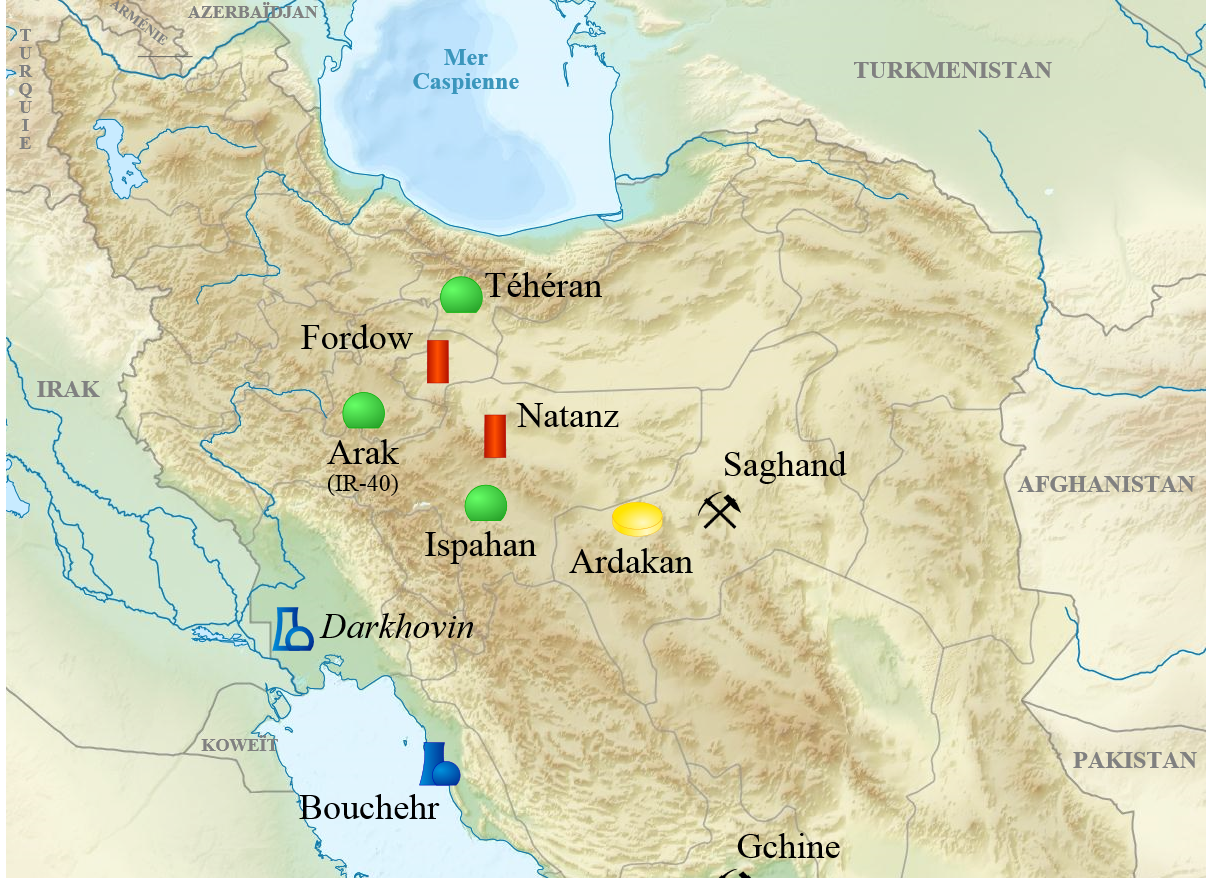
Tensions peaked in mid-2025 when the U.S. launched a targeted bombing campaign against three major Iranian nuclear sites.
Iran says ‘meaningful’ nuclear talks with US could still lead to deal
President Trump insists on a “zero enrichment” policy, demanding that Iran completely abandon its path to nuclear weapons. Washington also seeks to expand the scope to include Iran’s ballistic missile program and its support for regional proxies.
Foreign Minister Araghchi maintained that the talks remain “solely nuclear” and centered on the lifting of economic sanctions. Tehran continues to assert that its nuclear ambitions are entirely peaceful.
Despite the shadow of potential conflict, both sides signaled that the Muscat meeting was a constructive step. Araghchi took to social media platform X to describe the session as a “good start” held in a “positive atmosphere.”
Omani diplomat Badr al-Busaidi echoed this sentiment, stating the talks were “useful” in clarifying the respective positions of the two adversaries.
However, diplomatic progress is happening against a backdrop of explicit military readiness.
President Trump compared the current standoff to his previous dealings with Venezuela, suggesting he is willing to wait but is fully prepared for military action. He recently warned Iran’s Supreme Leader, Ayatollah Ali Khamenei, that he should be “very concerned.”
The delegations have returned to their respective capitals for consultations. Trump confirmed that a follow-up meeting is expected as early as next week.
“We have a lot of time, but they want to make a deal,” Trump added. “The consequences of not doing so are clear.”

Kiran Asim is a writer who covers the U.S., Europe, South Asia, and the Middle East. Her reports and analyses look at the geostrategic issues and contemporary developments and their economic and political implications. She also writes about society and education.