United Nations Secretary-General António Guterres on Friday launched a $308.3 million humanitarian flash appeal to support nearly one million people affected by the escalating conflict in Lebanon, warning that civilians are paying a heavy price as fighting intensifies across the region.
Speaking in Beirut after arriving to show solidarity with the Lebanese people, Guterres said the country’s population “did not choose this war” and called for urgent de-escalation, protection of civilians and a return to dialogue.
The appeal came as Israel said it was intensifying military operations in both Lebanon and Iran.
The funds will deliver emergency assistance including food, medical care, shelter and protection services for those displaced by the violence.
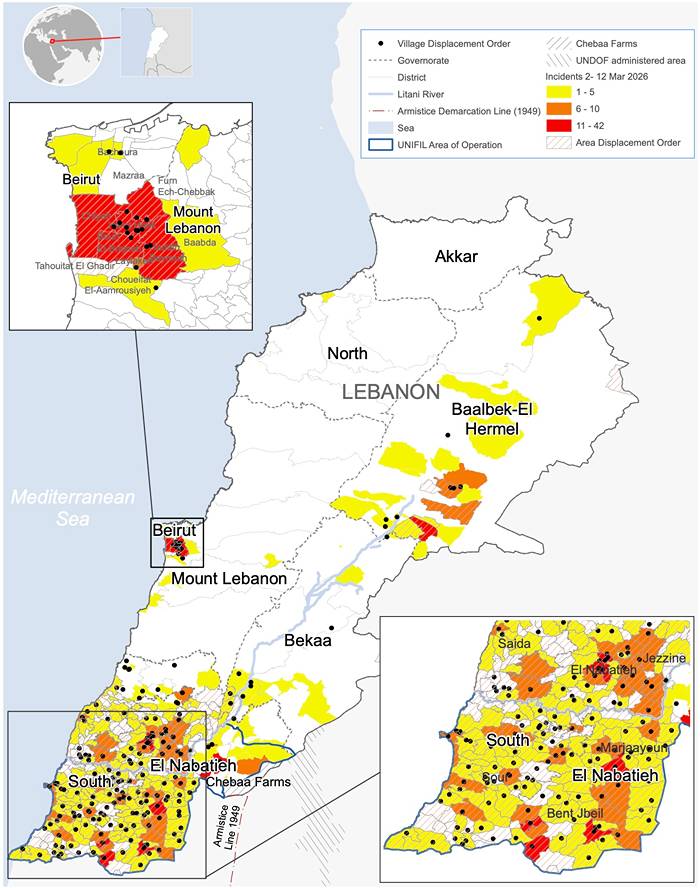
Lebanon’s Health Ministry says 773 people have been killed and more than 1,900 wounded since the start of the latest conflict, including over 100 children and dozens of women. The fighting has also forced about 850,000 people from their homes, according to Guterres.
“For years, Lebanon has opened its doors to those fleeing conflict,” he said. “Now, the world must show the people of Lebanon our strongest support in this hour of grave danger and profound need.”
Vulnerable groups at growing risk
UN agencies say the humanitarian crisis is hitting vulnerable groups particularly hard.
More than 11,600 pregnant women in Lebanon face heightened risks as hospitals and maternal health services are disrupted by the conflict. Migrant workers across Lebanon and Iran are also among the most vulnerable, with many displaced and relying on community networks for shelter and assistance.
Children are also bearing a heavy toll. U.N. officials say dozens have been killed and hundreds injured, while thousands more across the region face trauma, displacement and disruption to essential services such as schooling.
Lebanese government urges end to strikes
Lebanese Prime Minister Nawaf Salam called for an end to Israeli strikes following talks with Guterres and supported the humanitarian appeal.
“Lebanon did not choose this war,” Salam said, while also criticizing rocket fire into Israel by the militant group Hezbollah. “There is no justification in holding an entire nation hostage.”
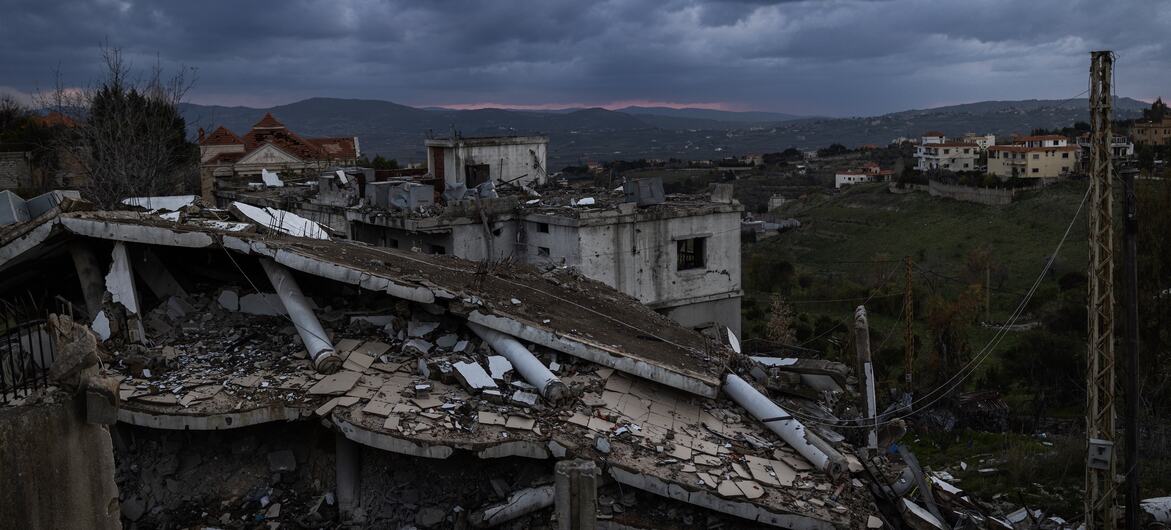
Salam said Lebanese authorities had dismantled more than 500 Hezbollah military positions and weapons depots in southern Lebanon, pushing back against Israeli accusations that Beirut has failed to curb the group’s activities.
“These actions are not symbolic gestures,” he said.
Israeli military expands operations
Meanwhile, Israel said it was intensifying military operations against Iran and Hezbollah targets in Lebanon.
Israeli military spokesperson Brig. Gen. Effie Defrin said the Israeli air force had struck an Iranian intelligence directorate while senior officials were present, as well as other command centers and missile production and storage facilities.
He said the Israeli military was continuing and expanding strikes in both countries and would deploy additional combat troops to Israel’s northern border in the coming days.
“Despite the long-term degradation of the Iranian regime’s and Hezbollah’s strike capabilities, the threat remains,” Defrin said.
The Israeli military said it has struck more than 7,600 sites in Iran and over 1,100 targets in Lebanon since the conflict escalated.
Humanitarian officials warn that unless the fighting subsides, Lebanon’s humanitarian crisis could deepen rapidly, placing millions more civilians at risk.

Iftikhar Ali is a veteran Pakistani journalist, former president of UN Correspondents Association, and a recipient of the Pride of Performance civil award