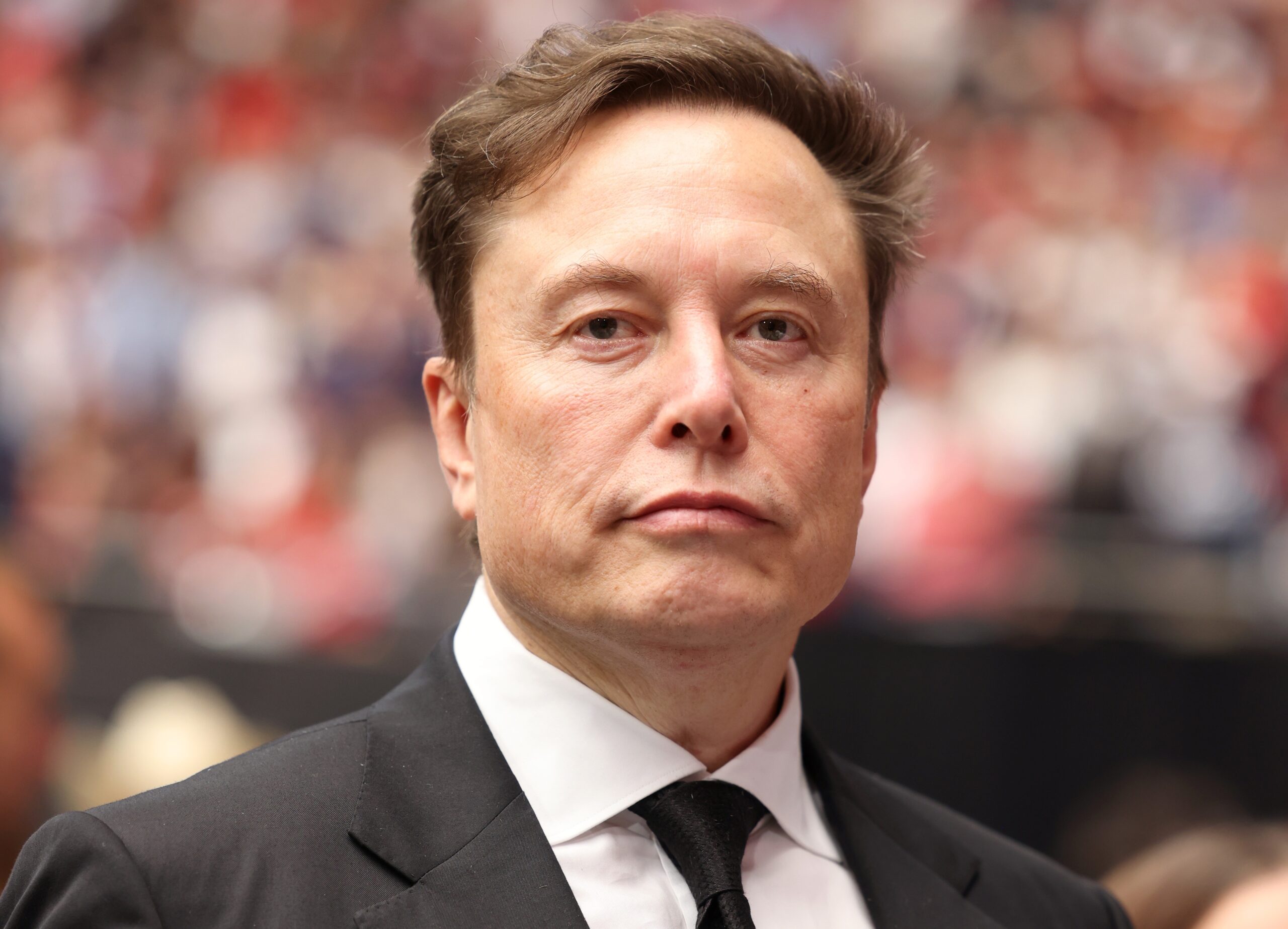
Elon Musk hit an unprecedented fortune milestone on Friday, becoming the world’s first trillionaire on paper following the highly anticipated public debut of SpaceX. His distinction came after the aerospace company set its initial public offering price at $135 per share and investors drove the stock sharply higher during its first day of trading.
Prior to the IPO, Musk’s estimated net worth stood at approximately $813 billion, already placing him far ahead of every other individual on global wealth rankings. According to Forbes estimates, his fortune was more than double that of Google co-founder Larry Page, whose wealth was pegged at around $288 billion.
The official IPO pricing alone pushed Musk’s estimated holdings beyond the $1 trillion mark due to his substantial ownership stake in SpaceX. Trading under the symbol SPCX, the stock gained significant momentum shortly after entering the market. At its intraday peak of $168.75, Musk’s wealth was estimated to have climbed to roughly $1.18 trillion, although fluctuations in the share price could eventually pull his net worth below that level.
The achievement highlights the extraordinary scale of wealth represented by a trillion-dollar fortune. Such a figure rivals the economic output of many nations, as only a limited number of countries generate more than $1 trillion in annual gross domestic product, according to World Bank data.
“And that’s what SpaceX is all about – is to take the fiction out of science fiction and create an exciting, inspiring future for everyone.”@SpaceX Founder, CEO, CTO & Chairman @elonmusk takes the @NasdaqExchange podium on $SPCX IPO day. pic.twitter.com/sgWrUGr3N1
— Nasdaq (@Nasdaq) June 12, 2026
SpaceX raised $75 billion and valuing the company at approximately $1.77 trillion.
The blockbuster listing surpasses the previous IPO record set by Saudi oil giant Saudi Aramco, which raised $25.6 billion during its 2019 market debut.
The offering priced at $135 per share, with 555.6 million shares sold to investors. Underwriters also hold an option to purchase an additional 83.3 million shares, potentially increasing total proceeds to $86.25 billion.
The milestone marks a dramatic turning point for founder Elon Musk, who controls more than 80 percent of the company and has spent years resisting pressure to take SpaceX public. The listing significantly boosts Musk’s wealth and could eventually position him to become the world’s first trillionaire if the company’s valuation continues to climb.
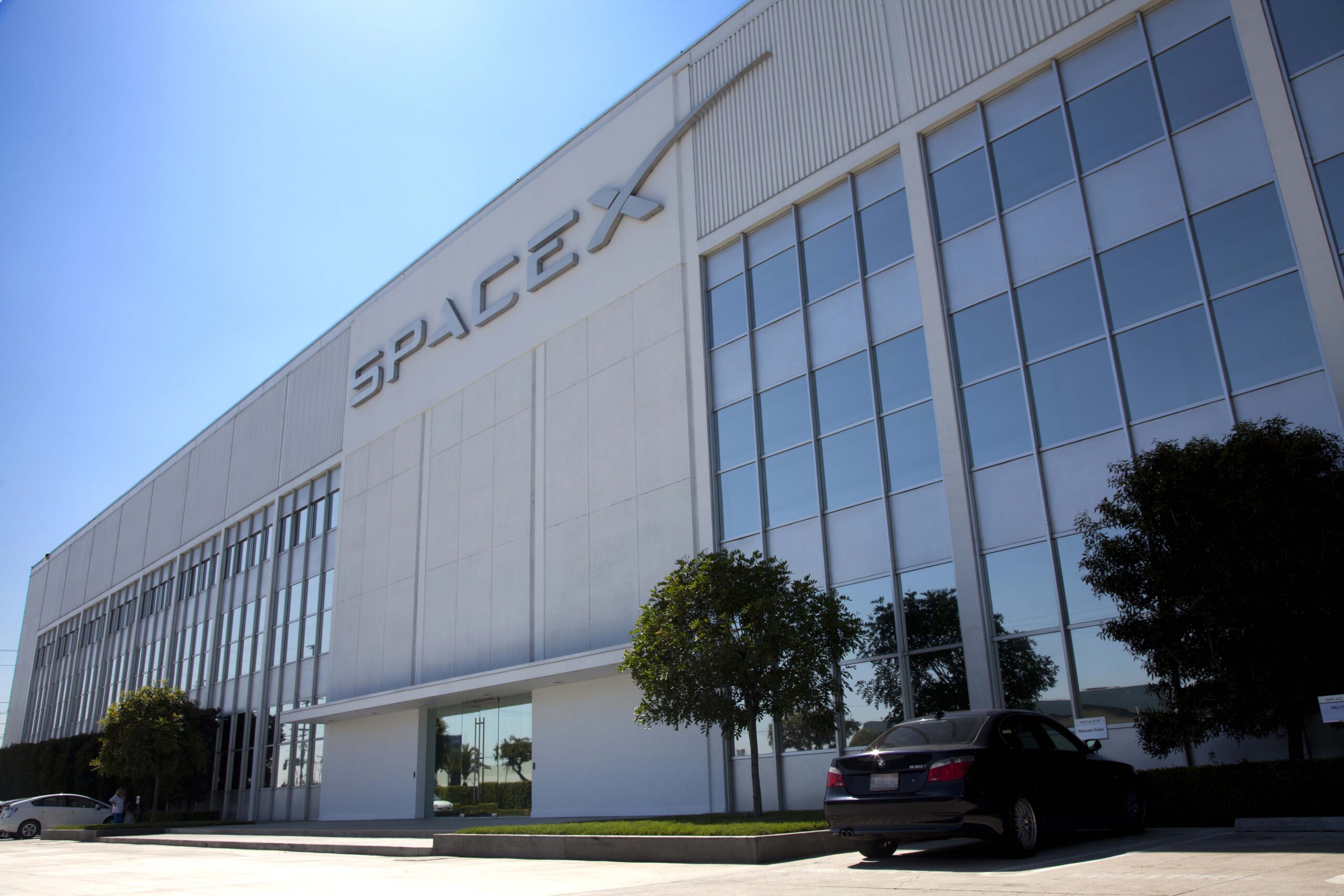
A New Wall Street Giant
At its IPO valuation, SpaceX instantly becomes one of the world’s most valuable companies, ranking among the top technology and industrial firms globally. The company is now worth more than Tesla was when it became the world’s most valuable automaker.
Despite reporting a net loss of $4.9 billion in 2025 on revenue of $18.7 billion, investor enthusiasm remains strong, largely driven by the growth of SpaceX’s Starlink satellite internet business and expectations surrounding future space and artificial intelligence ventures.
SpaceX also owns several high-profile Musk-led businesses, including satellite internet provider Starlink and artificial intelligence company xAI.
The IPO attracted overwhelming investor demand, with orders reportedly exceeding $250 billion, making the offering nearly four times oversubscribed.
Musk’s Vision Beyond Earth
Addressing employees and investors ahead of the listing, Musk outlined his long-term vision for the company, emphasizing humanity’s expansion beyond Earth.
“SpaceX wants to be able to take you to the Moon,” Musk said. “With the incredible team we have built, I am confident we can make that happen.”
Reflecting on the company’s early days, Musk admitted he initially gave SpaceX less than a 10 percent chance of survival.
“SpaceX is about turning science fiction into reality,” he said. “We want to make it possible for anyone who wants to go to the Moon or Mars—not just astronauts, but ordinary people.”
He added that ambitious projects such as space exploration provide hope and inspiration for the future.
“There are always problems on Earth, but there must also be things that make us excited to wake up in the morning and see what comes next,” Musk said.
From Startup Dream to Public Company
Founded in 2002 with proceeds from Musk’s sale of PayPal, SpaceX began as an ambitious effort to reduce the cost of space travel and eventually establish a human presence on Mars.
For more than a decade, speculation about a SpaceX IPO became a recurring topic among investors. Musk repeatedly hinted at a future listing before delaying plans, often arguing that public markets place excessive pressure on companies to deliver short-term results.
In recent years, however, the rapid expansion of Starlink, advances in the Starship rocket program and growing demand for capital appear to have shifted the company’s strategy.
Congratulations to SpaceX on today’s $75B IPO, the largest ever brought to market.
Goldman Sachs is honored to have served as lead left bookrunner on this transaction, but more than that, we are proud of the strong partnership our people have built with the SpaceX team over the… pic.twitter.com/iWkXVIhti4
— David Solomon (@DavidSolomon) June 12, 2026
SpaceX publicly filed its IPO paperwork in April, launching an investor roadshow in early June that generated extraordinary demand from institutional investors worldwide.
The offering was led by a consortium of 21 banks, including Goldman Sachs, Morgan Stanley, Bank of America, Citigroup and JPMorgan.
Challenges Ahead
Despite investor enthusiasm, analysts caution that significant risks remain.
SpaceX’s most ambitious project, the Starship rocket system, is currently grounded while U.S. regulators investigate its latest test-flight incident. The vehicle is central to the company’s long-term plans for lunar missions, Mars exploration and future commercial space transportation.
Some analysts also argue that the company’s valuation has raced far ahead of its current financial performance.
Research firm Morningstar estimates SpaceX’s fair value at approximately $780 billion—less than half of its IPO valuation—citing uncertainties surrounding Starship development and future revenue projections.
Others question whether ambitious concepts such as orbital data centers and large-scale Mars colonization can be commercially realized within a reasonable timeframe.
Unconventional IPO Strategy
The offering itself reflected Musk’s unconventional approach to business.
Rather than allowing investor demand to determine the final price through a traditional book-building process, SpaceX set its share price at $135 before the roadshow began.
The company also allocated nearly 30 percent of shares to retail investors, significantly higher than the typical allocation in large IPOs.
Following the offering, Musk will retain effective control through a multi-class share structure that gives him dominant voting power despite holding a smaller percentage of total equity.
Can SpaceX Defy History?
Market analysts note that the largest IPOs in history have produced mixed results.
Saudi Aramco surged after its market debut before falling below its offering price during the COVID-19 downturn. Meta Platforms, then Facebook, lost nearly half its value in the months following its 2012 IPO before eventually becoming one of the world’s most valuable companies.
Other major listings, including Visa and Alibaba, delivered strong long-term returns despite initial market volatility.
Whether SpaceX follows the path of those success stories remains uncertain. However, the company’s market debut represents a landmark moment for both the space industry and global capital markets.
Beginning of an IPO Boom
SpaceX’s listing is expected to kick off what analysts are calling a new era of high-profile technology IPOs.
Artificial intelligence firms Anthropic and OpenAI are reportedly preparing public offerings, potentially making 2026 one of the most significant years for technology listings in modern market history.
Investors are betting for now that SpaceX can transform its ambitious vision of reusable rockets, satellite networks and interplanetary travel into one of the most valuable businesses ever created.

Muhammad Luqman is Associate Editor at Views News Now. He writes on wide-ranging issues including economy, South Asia, the Middle East, agriculture, economy and innovation. Luqman has worked some of the leading news organizations and won acclaim for his original and research-based works.