In a significant development for South and Central Asian connectivity, the Iran-Pakistan transit corridor—also known as the Pak-Iran Transit Corridor—has officially begun operations, with Pakistan’s dispatching its first export shipment to Uzbekistan via Iranian territory.
This landmark initiative represents more than just the movement of goods; it signals a strategic pivot in regional trade dynamics, offering Pakistan a reliable overland lifeline to lucrative Central Asian markets at a time when traditional routes have faced persistent disruptions
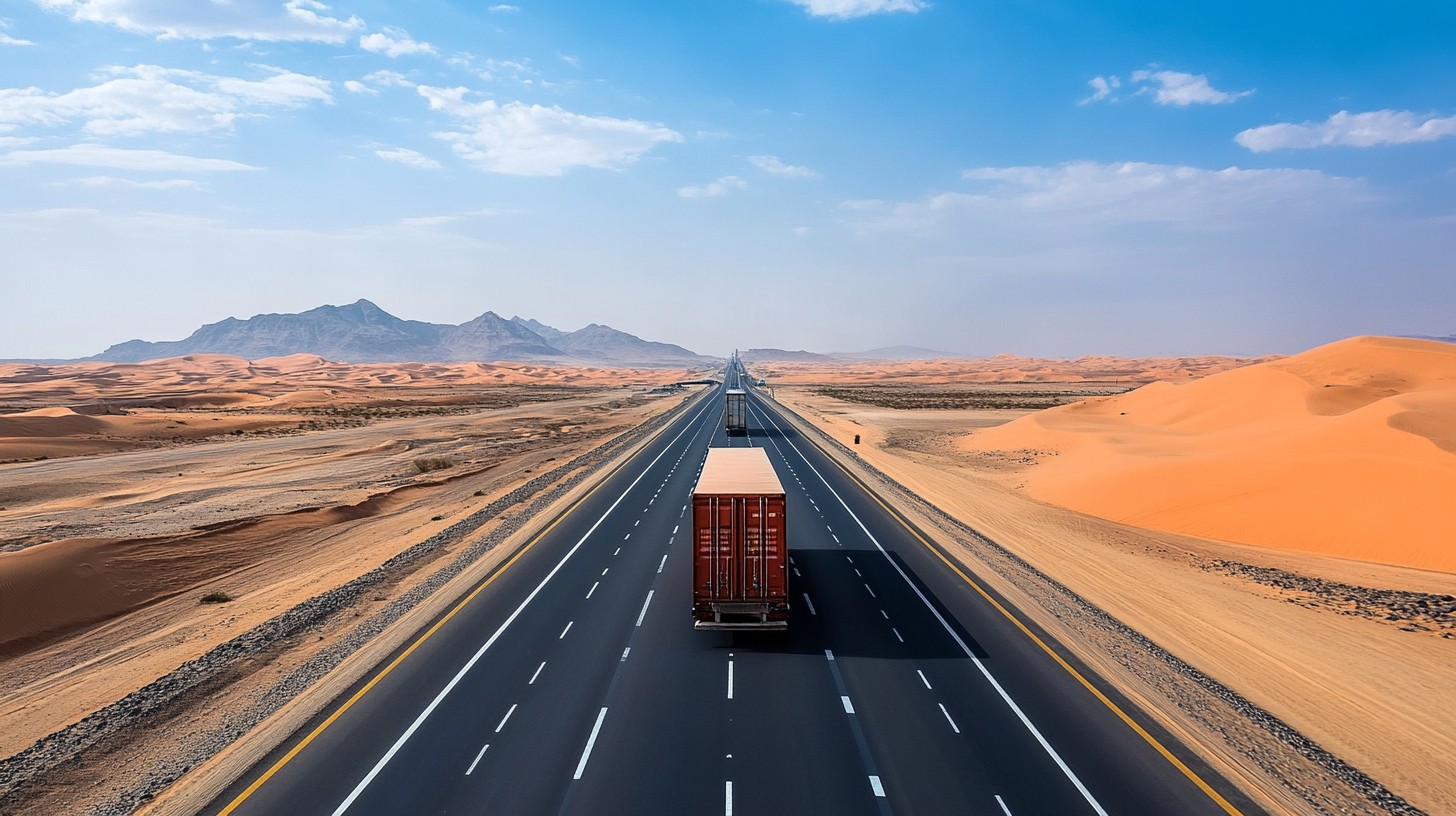
The inaugural consignment, consisting of frozen beef (also referred to as frozen meat) transported in refrigerated trucks, was dispatched from Karachi. Some reports indicate plans for future shipments to originate via Gwadar port, a key node in the China-Pakistan Economic Corridor (CPEC). The cargo’s destination is Tashkent, Uzbekistan, with onward movement facilitated from Iran’s Rimdan border area.
Trucks crossed the Gabd-Rimdan border between Pakistan and Iran before proceeding through Iranian territory to Central Asia. The entire operation was conducted under the TIR (Transports Internationaux Routiers) system, the internationally recognized framework for seamless road-based transit that minimizes customs delays and ensures secure, sealed cargo movement. The inaugural consignment was flagged off around April 10–12, 2026, with official announcements and confirmations emerging on April 12–13.
🇵🇰🇮🇷⚡️– Pakistan and Iran have opened a transit corridor, with first commercial shipment from Pakistan to Uzbekistan via Iran, the new corridor has officially entered the operational phase.
The route significantly reduces transportation time and costs compared to traditional… pic.twitter.com/j8JC6evmNU
— MonitorX (@MonitorX99800) April 13, 2026
Director of Transit Trade Customs Sanaullah Abro confirmed the dispatch, stating that “the first consignment has been dispatched,” while a formal ceremony in Karachi featured Director General of Transit Trade Customs Sanaullah Abro and Director Transit Muhammad Rashid, who together flagged off the first consignment. This pilot or maiden shipment was explicitly designed to test and fully operationalize the corridor, laying the groundwork for regular commercial flows.
Pakistan has long sought alternative routes to Central Asian markets following repeated disruptions and closures at Pakistan-Afghanistan border crossings. The new corridor provides a more reliable overland link, effectively bypassing Afghanistan-related uncertainties that have hampered trade for years.
By doing so, it addresses a critical vulnerability in Pakistan’s export strategy while opening fresh pathways for perishable and high-value goods that demand speed and reliability.
The immediate impacts are already evident. The successful launch of this first refrigerated TIR beef shipment from Karachi to Tashkent via the Gabd-Rimdan border demonstrates operational viability under real-world conditions, with no major hurdles reported. Pakistani customs authorities have supported the rollout by temporarily exempting land-route exports of food items (including meat), pharmaceuticals, and similar goods to Iran and onward to Central Asia from letters of credit and bank guarantees until June 21, 2026—a pragmatic incentive that lowers barriers for exporters and encourages rapid scaling.
🚨 Pakistan-Iran transit corridor now LIVE!
First commercial shipment from Gwadar to Uzbekistan via Iran has started.
The new route cuts time and costs, giving Pakistan direct access to Central Asian markets while bypassing Afghanistan.
Pakistan keeps moving forward for its… pic.twitter.com/uvyOFClIbu
— Sadaf Baloch (@sadafzbaloch) April 14, 2026
Early market reactions suggest positive momentum for logistics, transport, and port operators. The corridor also promises to curb smuggling by channeling trade into formalized, monitored channels, fostering legal economic activity between Pakistan and Iran.
Looking ahead, the benefits—both economic and strategic—are substantial and multifaceted. The corridor is projected to significantly reduce transit times and logistics costs compared to traditional sea routes or less stable overland alternatives. For exporters, particularly those handling perishable items like frozen meat, pharmaceuticals, and agri-tech products, this translates into faster delivery, lower spoilage risks, and enhanced competitiveness in landlocked Central Asian economies. Officials anticipate a marked boost in Pakistani exports to the region. By unlocking untapped potential, the route positions Pakistan as a pivotal transit hub linking South Asia directly with Central Asia’s growing consumer base.
Beyond Pakistan’s borders, the corridor enhances regional connectivity in profound ways. It grants Iran and Central Asian states streamlined access to Pakistan’s premier ports of Karachi and Gwadar, expanding transshipment capacity and stimulating port activities. Increased traffic at these facilities will drive infrastructure upgrades, job creation in logistics and cold-chain sectors, and broader economic multipliers across supply chains.
Sanaullah Abro noted that making the corridor operational “would not only accelerate Pakistan’s economic growth but also increase traffic at the country’s ports.” Future shipments are expected to shift increasingly toward Gwadar, leveraging its strategic CPEC advantages for even greater efficiency.
The initiative also carries deeper geopolitical and diplomatic weight. It builds on longstanding Pakistan-Iran economic ties, including ongoing discussions around energy cooperation and transit frameworks. Some observers link the corridor’s launch to Pakistan’s recent mediation efforts in Middle East dialogues, underscoring Islamabad’s role as a bridge-builder amid complex regional tensions.
In an era of global supply-chain fragmentation—exacerbated by conflicts and sanctions elsewhere—this corridor offers a resilient, land-based alternative that strengthens South-Central Asian integration without heavy reliance on maritime chokepoints. It aligns with broader visions of revived Silk Road connectivity, potentially integrating with multimodal networks that could one day extend benefits to Europe and beyond.
Critically, the corridor’s success will hinge on sustained bilateral coordination, infrastructure maintenance along the Iranian leg, and continued policy support from Islamabad. Early indicators are encouraging: the pilot shipment’s smooth passage under TIR protocols validates the technical framework, while government exemptions signal strong official backing. As volumes scale, stakeholders from trucking firms to cold-storage operators stand to gain, creating a virtuous cycle of investment and employment. In the broader context, this development marks a clear step toward diversifying Pakistan’s trade networks and forging tighter economic bonds with Iran and Central Asia.
It transforms a longstanding aspiration into operational reality, promising not only cost savings and export growth for Pakistan but also enhanced stability and prosperity across the region.
As the first trucks roll toward Tashkent, the Iran-Pakistan transit corridor stands as a testament to pragmatic diplomacy and forward-thinking economics. For a region long constrained by geography and politics, it offers a tangible new artery of opportunity—one that could reshape trade flows for decades to come. What begins as frozen beef today may soon carry the full weight of a revitalized Eurasian economic corridor.

Asim Tanveer is a seasoned journalist working for TV and electronic and print media outlets. He has been working for some of the world’s leading news organizations including Associated Press (AP), Reuters, BBC, CNN, CNBC, Star TV, Voice of America and The New York Times for more than 30 years. He has won several awards for his live coverage of events that include a Reuters News Agency World Award and the Pride of Performance award in 1997.