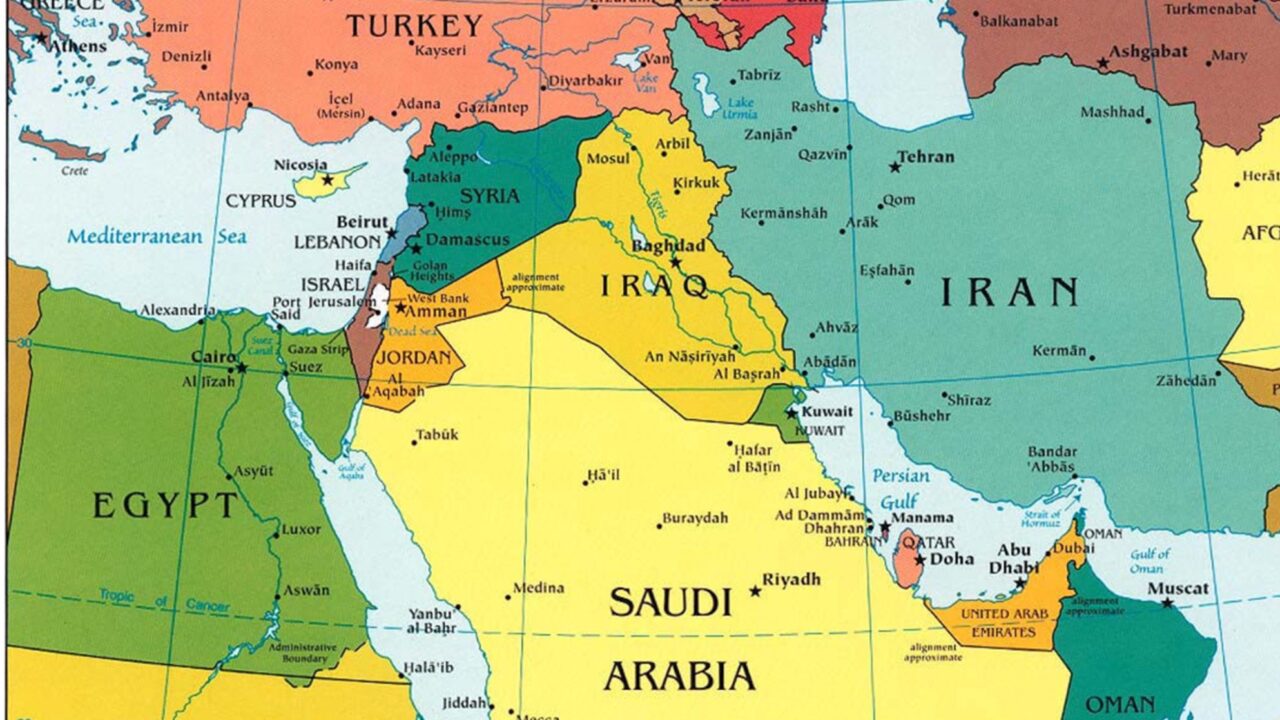
The fragile equilibrium of the Middle East was jolted into a new cycle of accusation and retaliation centering on nuclear sites as both Iran and Israel reported strikes targeting their facilities.
According to Iranian officials, the missile strike on Israel was a direct response to an earlier attack on Iran’s nuclear infrastructure.
Tehran claims that its Natanz Nuclear Facility—a key site in its nuclear program located roughly 50 kilometers from the city of Kashan—was targeted in a strike carried out earlier on Saturday.
However, Israel has categorically denied any involvement in that operation, adding a layer of ambiguity that has become characteristic of this shadow conflict.
Hours later, the consequences of that tension became visible on Israeli soil. An Iranian missile struck the southern Israeli town of Dimona—a location hosting Israel’s nuclear infrastructure.
The IAEA is aware of reports of an incident in the city of Dimona, Israel, involving a missile impact and has not received any indication of damage to the nuclear research center Negev.
Information from regional States indicates that no abnormal radiation levels have been… pic.twitter.com/vJ6AlNHGmO
— IAEA – International Atomic Energy Agency ⚛️ (@iaeaorg) March 21, 2026
The missile hit a residential neighborhood, according to reports, turning a strategic message into a humanitarian crisis.
According to the Israeli military and emergency services, at least 40 people were injured in the attack. Among them, a 10-year-old boy remains in serious condition after suffering shrapnel wounds. A woman was also injured by flying glass fragments, while 37 others sustained mild injuries. The figures were confirmed by Magen David Adom, Israel’s national emergency response service, which reported the casualties via its official communication channels.
Iranian state television framed the strike on Dimona as a calibrated act of retaliation—an attempt to mirror what it describes as aggression against its own nuclear assets.
Yet Israel’s firm denial of responsibility for the alleged Natanz strike complicates this narrative, raising critical questions about the strike being a covert operation.
Amid these competing claims, the role of international oversight has become increasingly crucial.
The International Atomic Energy Agency stated that it has not received any indication of damage to nuclear research center in the Negev region.
Furthermore, the agency confirmed that no abnormal radiation levels have been detected so far.
UN nuclear watchdog examining reports of strike on Iran’s Natanz enrichment plant
However, it emphasized that the situation remains under close and continuous monitoring—a subtle but significant acknowledgment of the potential risks involved when nuclear-linked sites become entangled in active conflict zones.
The strike on Dimona marks an important point as the town has been associated with Israel’s undeclared nuclear capabilities, making it a military target. By hitting a residential area near a sensitive site, the attack blurs the line between strategic deterrence and civilian endangerment—an increasingly common and troubling feature of modern warfare in the region.
What emerges from this episode is not merely a sequence of events, but a dangerous escalation pattern.

Kiran Asim is a writer who covers the U.S., Europe, South Asia, and the Middle East. Her reports and analyses look at the geostrategic issues and contemporary developments and their economic and political implications. She also writes about society and education.