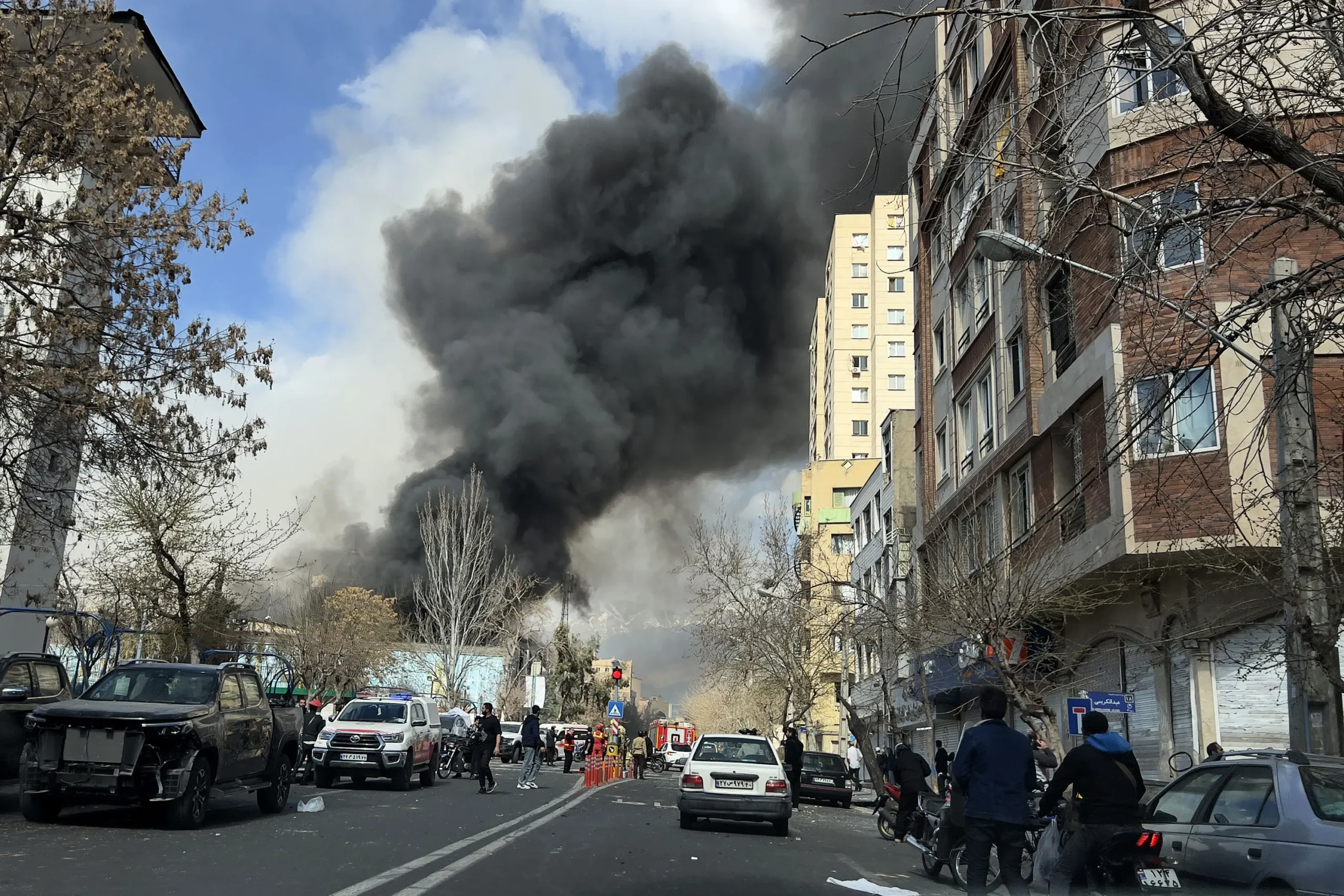
Iran has received a 15-point U.S. proposal aimed at pausing the Middle East war through intermediaries in Pakistan, but has yet to commit to negotiations, as diplomatic efforts intensify alongside continued military escalation.
The proposal, described by officials as a comprehensive framework for a ceasefire, includes provisions on sanctions relief, curbs on Iran’s nuclear program, limits on missile capabilities, restrictions on support for regional armed groups, and steps to reopen the Strait of Hormuz—a critical artery for global oil supplies.
The plan was conveyed as part of a broader push by the United States and regional mediators, including Pakistan, Egypt and Turkey, to create a way out of the conflict. According to officials, cited by news services including AP and Reuters high-level talks could take place as early as this week, potentially in Pakistan, though any meeting depends on Tehran’s response.
U.S. President Donald Trump has signaled both urgency and optimism, saying Washington is “in negotiations right now” and that Iranian counterparts appear interested in a deal. He has also paused threatened strikes on Iranian energy infrastructure for several days to allow diplomacy a chance.
At the same time, the United States is reinforcing its military posture. Elements of the 82nd Airborne Division, along with thousands of Marines and naval personnel, are being deployed to the region, reflecting a strategy that combines diplomatic outreach with sustained pressure.
What Washington Has Said So Far
Trump has repeatedly pointed to ongoing contacts with Iran, describing them as substantive and encouraging.
“We have a number of people doing it… and the other side, I can tell you, they’d like to make a deal,” he told reporters at the White House, adding that the U.S. was “talking to the right people.”
US Sent 15-Point Proposal to Iran via Pakistan; Trump Backs Islamabad’s Offer to Host Talks
He has also suggested that negotiations could produce a structured agreement, referencing a potential multi-point framework while emphasizing that diplomacy is being given a limited window.
In Washington’s perspective, Iran’s renunciation of nuclear weapons ambitions is the top consideration in the proposed plan.
At the same time, Trump has made clear that military options remain on the table, underscoring a dual-track approach of pressure and engagement. His decision to delay planned strikes for several days, he said, was based on the “constructive” nature of the discussions and the possibility of progress.
Iran Signals Resistance, Keeps Channels Indirect
Despite receiving the proposal, Iran has publicly dismissed the prospect of talks while continuing military operations against Israel and targets across the region.
Iranian officials point to their lack of trust in Washington. Foreign Ministry spokesman Esmail Baghaei said Tehran has had a “very catastrophic experience with U.S. diplomacy.”
Pakistan Says Ready to Host US-Iran Talks as Diplomatic Efforts Intensify on Ending War
At the same time, Iranian authorities have acknowledged receiving messages through intermediary countries, reflecting a dual-track approach—public rejection of negotiations alongside limited backchannel engagement.
Tehran remains averse to any suggestions of discussions on its ballistic missile program or its support for regional militias. Iranian leaders including Mojtaba Khamenei has cast control over the Strait of Hormuz as a critical strategic advantage.
Israel Pushes Continued Military Pressure
Israel has continued large-scale strikes on Iranian targets and reportedly remains skeptical of the U.S. diplomatic initiative. Officials in Tel Aviv were reportedly surprised by the submission of the ceasefire proposal and have raised concerns that Washington could pursue a deal that falls short of Israel’s objectives.
Prime Minister Benjamin Netanyahu is said to be wary of any agreement that could limit Israel’s military freedom or leave Iran’s core capabilities intact.
Israeli officials also question U.S. assessments that Tehran may be open to key provisions, according to Axios.
Diplomatic Window Narrow as War Continues
Efforts by mediators—including Pakistan, Egypt, and Turkey—have focused on “trust-building” measures that could lead to a temporary ceasefire and open the door to negotiations.
Pakistan, with close ties to major players including the United States, Iran and Saudi Arabia, has offered to host talks, a proposal publicly endorsed by Trump.
However, major uncertainties remain, including who within Iran’s leadership has the authority to negotiate and whether Tehran is willing to engage under current conditions.
Even as diplomatic channels are explored, fighting continues across multiple fronts, with attacks reported in Israel, Iran, and Gulf states. The conflict has already caused significant casualties and economic disruption, particularly through its impact on global energy supplies.
Oil prices, which surged sharply amid fears of supply disruptions, have eased slightly on hopes of talks but remain elevated.

Muhammad Luqman is Associate Editor at Views News Now. He writes on wide-ranging issues including economy, South Asia, the Middle East, agriculture, economy and innovation. Luqman has worked some of the leading news organizations and won acclaim for his original and research-based works.

Kiran Asim is a writer who covers the U.S., Europe, South Asia, and the Middle East. Her reports and analyses look at the geostrategic issues and contemporary developments and their economic and political implications. She also writes about society and education.