The ongoing conflict between Iran and Israel, which escalated into direct military engagement on June 13, is likely to have profound economic implications for Pakistan.
Despite not being a direct participant in the war on its border, Pakistan’s geopolitical proximity, economic interdependence, and regional alliances render it particularly vulnerable to the ripple effects of this confrontation.
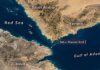
For Pakistan, a nation heavily reliant on oil imports, there could be severe economic burden in the face of oil supplies disruption due to a much-feared closure of the Strait of Hormuz by Iran during the war.
The Strait of Hormuz, a critical chokepoint for global oil shipments, handles approximately 20 million barrels of oil daily, constituting about 20% of the world’s liquefied natural gas.
https://viewsnews.brandbrilliance.org/israeli-attack-on-iran-quickly-impacts-four-key-areas-of-world-economy/
“Iran’s retaliatory missile strikes on Israeli targets have heightened fears of potential disruptions in this vital waterway,” Dr. Abid Qayyum Sulehri, Executive Director Sustainable Development Policy Institute (SDPI), Islamabad, said.
The strategic affairs expert notes that the global oil prices have surged, with Brent crude experiencing a 14% spike, marking the most significant one-day increase since March 2022
Pakistan’s economic landscape is intricately linked to regional trade routes and infrastructure projects.
The China-Pakistan Economic Corridor (CPEC), a $62-billion initiative, aims to enhance connectivity between Gwadar Port and China’s Xinjiang region. However, escalating tensions in the Middle East could jeopardize these ambitions.
https://viewsnews.brandbrilliance.org/pakistani-expatriates-send-record-4-1-billion-remittances-in-a-month/
“The potential closure of the Strait of Hormuz would disrupt not only oil shipments but also broader trade flows, affecting the viability of CPEC and other regional projects,” Dr. Abid Qayyum Sulehri says.
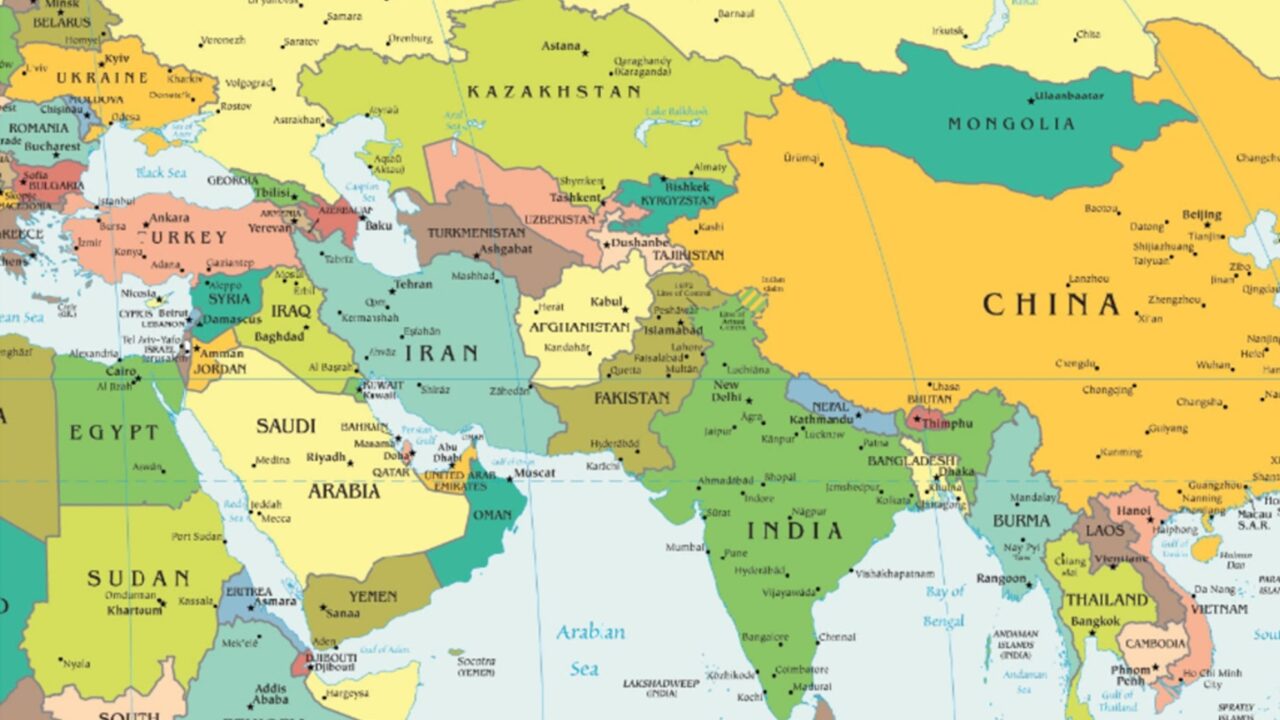
Pakistan shares a porous border with Iran, particularly along its Balochistan province, a region already grappling with insurgent activities. The conflict’s escalation could exacerbate border tensions, leading to increased militancy and potential spillover violence.
Additionally, an influx of refugees from Iran could strain Pakistan’s resources, already burdened by the presence of Afghan refugees, adding another burden on the economy of already cash-starved Pakistan.
Furthermore, bilateral trade between Pakistan and Iran, valued at over $2 billion, is crucial for regions like Balochistan. Disruptions in trade and power supplies could lead to shortages and economic instability in these areas.
https://viewsnews.brandbrilliance.org/pakistans-quiet-crypto-revolution-toward-a-digital-economic-empire/
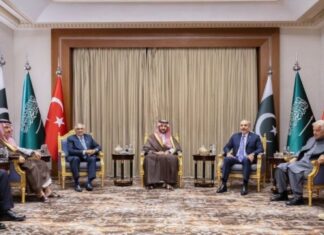
Pakistan’s foreign policy is characterized by its strategic alliances with both Iran and Saudi Arabia. This delicate balance is increasingly challenging as the Iran-Israel conflict intensifies.
Aligning too closely with Iran could jeopardize Pakistan’s relations with the United States and other Western nations, while too much siding with Saudi Arabia might alienate Iran.
“Technically, there will be not some big impact on Pakistan’s economy if it does not side with one country or the other,” said Dr. Qais Aslam, Dean of Economics Department at a private university in Lahore, says.
He said that this diplomatic conundrum places Pakistan in a precarious position, requiring astute navigation to safeguard its national interests
According to political analysts and economists, the Iran-Israel conflict presents multifaceted challenges for Pakistan, encompassing economic, security, and diplomatic dimensions.
The nation’s vulnerability to energy price fluctuations, potential disruptions in trade routes, internal security concerns, and the complexities of balancing international relations necessitate a comprehensive and strategic response.
Experts say proactive measures, including diversification of energy sources, strengthening regional partnerships, and adept diplomatic maneuvering, will be essential for Pakistan to mitigate the adverse impacts of this regional conflict.

Muhammad Luqman is Associate Editor at Views News Now. He writes on wide-ranging issues including economy, South Asia, the Middle East, agriculture, economy and innovation. Luqman has worked some of the leading news organizations and won acclaim for his original and research-based works.