Iran has signaled a hardening of its stance, saying it currently has no plans to participate in a second round of negotiations with the United States that had been expected to take place in Islamabad. Middle East crisis
Foreign Ministry spokesperson Esmail Baghaei said Tehran sees little basis for further engagement, accusing Washington of breaching commitments even before the process could meaningfully advance. In remarks reported by Al Jazeera, he stressed that Iran would not negotiate “at any cost” and would continue to defend its national interests.
Iran to continue talks but vows swift retaliation after US seizes commercial vessel
Baghaei pointed to what he described as US violations of the ceasefire, including the seizure of a commercial vessel and the imposition of what Tehran calls a naval blockade. He also referenced past US actions during earlier diplomatic efforts, saying such conduct has eroded trust and undermined the credibility of the process. According to him, American proposals remain “unserious” and based on “unrealistic” demands, while Iran rejects any form of ultimatum. Middle East crisis
Tehran has informed mediators in Pakistan of its position, but officials say no final decision has been made on whether to attend future talks. “At present, there is no plan for the next round of negotiations,” Baghaei said during a weekly briefing on Monday.
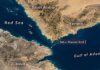
Iran Confirms US Seizure of Ship in Sea of Oman, Threatens Response
Tensions have been further heightened by remarks from former US president Donald Trump, who warned of severe consequences if Iran does not accept Washington’s proposed deal. Speaking to Fox News, Trump described the offer as “fair and reasonable,” saying it would involve reopening the Strait of Hormuz and ensuring Iran does not retain enriched uranium. He also threatened strikes on key Iranian infrastructure if Tehran refuses—an approach Iran has dismissed as “maximalist.”
Meanwhile, heightened security measures in Islamabad reflect the sensitivity of the moment. Authorities have enforced extensive road closures, sealing off the Red Zone and surrounding areas, while restricting major routes and banning heavy traffic entering the city. The measures come as foreign delegations gather in the capital amid uncertainty over whether talks will proceed.
The latest developments highlight the fragile state of diplomacy surrounding the Middle East crisis, with the ceasefire increasingly under pressure and prospects for a breakthrough appearing uncertain.

Kiran Asim is a writer who covers the U.S., Europe, South Asia, and the Middle East. Her reports and analyses look at the geostrategic issues and contemporary developments and their economic and political implications. She also writes about society and education.