Iran has welcomed Pakistan’s diplomatic initiative as efforts to bring Tehran and Washington back to the negotiating table enter a critical phase, amid escalating tensions and disruptions to oil flows through the Strait of Hormuz.
“Iran welcomes Pakistan’s proactive diplomatic initiatives, undertaken in good faith, to help restore peace and ensure lasting stability in the region,” Iran’s Ambassador to Pakistan, Reza Amiri Moghadam, said on Tuesday.
In a series of posts on X platform, the Iranian diplomat called for “lasting stability” in the region as well “respect for sovereignty and territorial integrity.”
His remarks came after U.S. President Donald Trump called for immediate progress from Tehran toward ending the conflict, stating that Washington was engaged in “serious discussions with a new and more reasonable regime” in Iran to bring an end to “our military operations in Iran.”
While appreciating the initiative and good will and good office by the friendly & brotherly country of Pakistan to stop the US-sraeli aggression against Iran and restore peace and stability to the region, I have some few points that I will make in some threads here on.
— Reza Amiri Moghadam (@IranAmbPak) March 31, 2026
At the same time, Trump has warned of severe consequences if a deal is not reached swiftly, reportedly seeking tangible progress before an April 6 deadline linked to potential U.S. strikes on Iran’s energy infrastructure.
The diplomatic push comes against the backdrop of a sharp escalation at sea, and mounting pressure for a resolution to the conflict. While Iran is under a barrage of attacks, Washington also faces a sensitive decision as risks for energy market, global economic output and stock markets rise.
An oil tanker was struck and set ablaze in a reported drone attack near Dubai and the Strait of Hormuz, in what has been widely described as an Iranian-linked strike on commercial shipping.
The incident is part of a broader pattern of attacks on vessels in and around the strategic waterway, through which roughly a fifth of the world’s oil supply passes. Several ships have been hit or damaged in recent weeks, raising alarm among global shipping lanes and energy markets.
Trump Says US in ‘Serious’ Talks With ‘Reasonable’ Iran Regime, Issues Warning if No Deal Reached
As Iran and Israel continue to exchange fire across multiple fronts, the conflict has sent shockwaves through global energy markets.
Oil prices have surged sharply, climbing to around $116 per barrel amid fears of prolonged supply disruptions and the possible closure of the Strait of Hormuz.
Meanwhile, the United States has significantly increased its military presence in the region, deploying thousands of Marines and additional forces to the Gulf as contingency planning intensifies, fueling speculation about possible ground operations.
4/ The efforts underscore the importance of diplomatic and political solutions, based on established norms for respect to the sovereignty, territorial integrity, independence, promoting peace and restoring peace and lasting stability in the region.
— Reza Amiri Moghadam (@IranAmbPak) March 31, 2026
In response to emerging signs that Iran and the United States may hold talks to end the conflict in the coming days, Islamabad dispatched its Foreign Minister, Ishaq Dar, to Beijing for urgent consultations.
While China’s potential role in the process remains unclear, some analysts suggest that Tehran may be seeking Beijing’s assurances in support of a ceasefire or broader de-escalation efforts.
Pakistan has increasingly positioned itself as a key diplomatic intermediary, leveraging its ties with both Washington and Tehran to facilitate dialogue aimed at ending the conflict.
Iran attacked and set ablaze a fully loaded crude oil tanker off Dubai, as President Trump warned the US would obliterate Iran’s energy plants and oil wells if it does not open the Strait of Hormuz https://t.co/ki88GYsBK9 pic.twitter.com/suc2XNJqpQ
— Reuters (@Reuters) March 31, 2026
Ambassador Moghadam, in a social media post, said Iran values the “initiative, goodwill, and good offices of the friendly and brotherly country of Pakistan” in efforts to halt what he described as “U.S.-Israeli aggression against Iran” and to restore regional peace and stability.
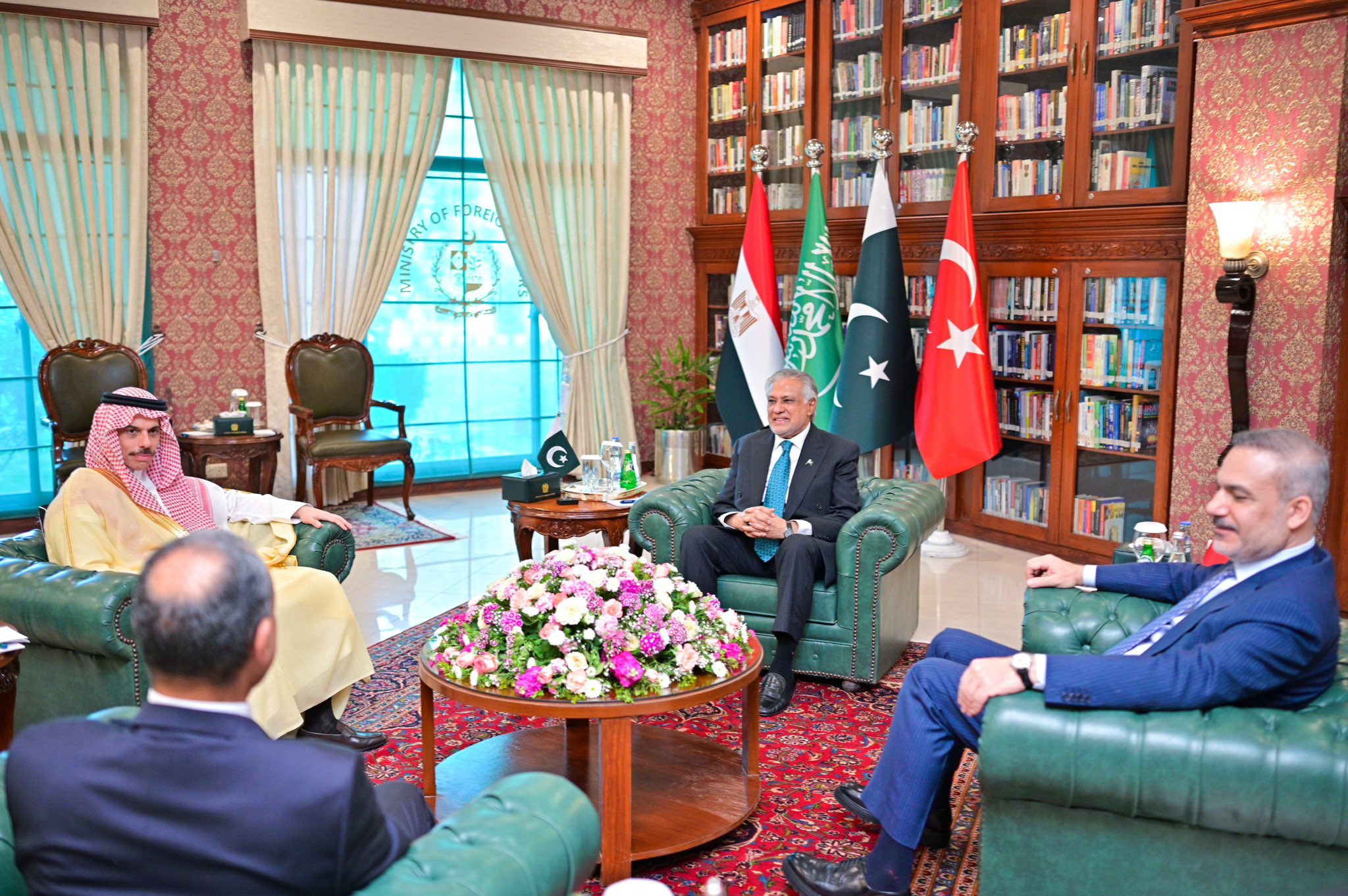
Over the weekend, Islamabad also hosted a four-country meeting involving the foreign ministers of Saudi Arabia, Türkiye, and Egypt, as part of broader efforts to promote de-escalation and encourage dialogue.

Muhammad Luqman is Associate Editor at Views News Now. He writes on wide-ranging issues including economy, South Asia, the Middle East, agriculture, economy and innovation. Luqman has worked some of the leading news organizations and won acclaim for his original and research-based works.