For some, water is seemingly everywhere. For others, it’s nowhere to be found. That’s the stark reality emerging from the latest global assessment of one of Earth’s most vital resources — a resource that is increasingly out of balance.
According to the World Meteorological Organization’s latest State of Global Water Resources report, the planet’s water cycle is becoming more chaotic and extreme. It now swings dangerously between floods and droughts, leaving communities either inundated or parched — sometimes within the same regions, and often within the same year.
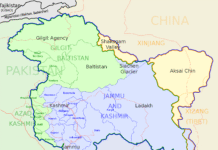
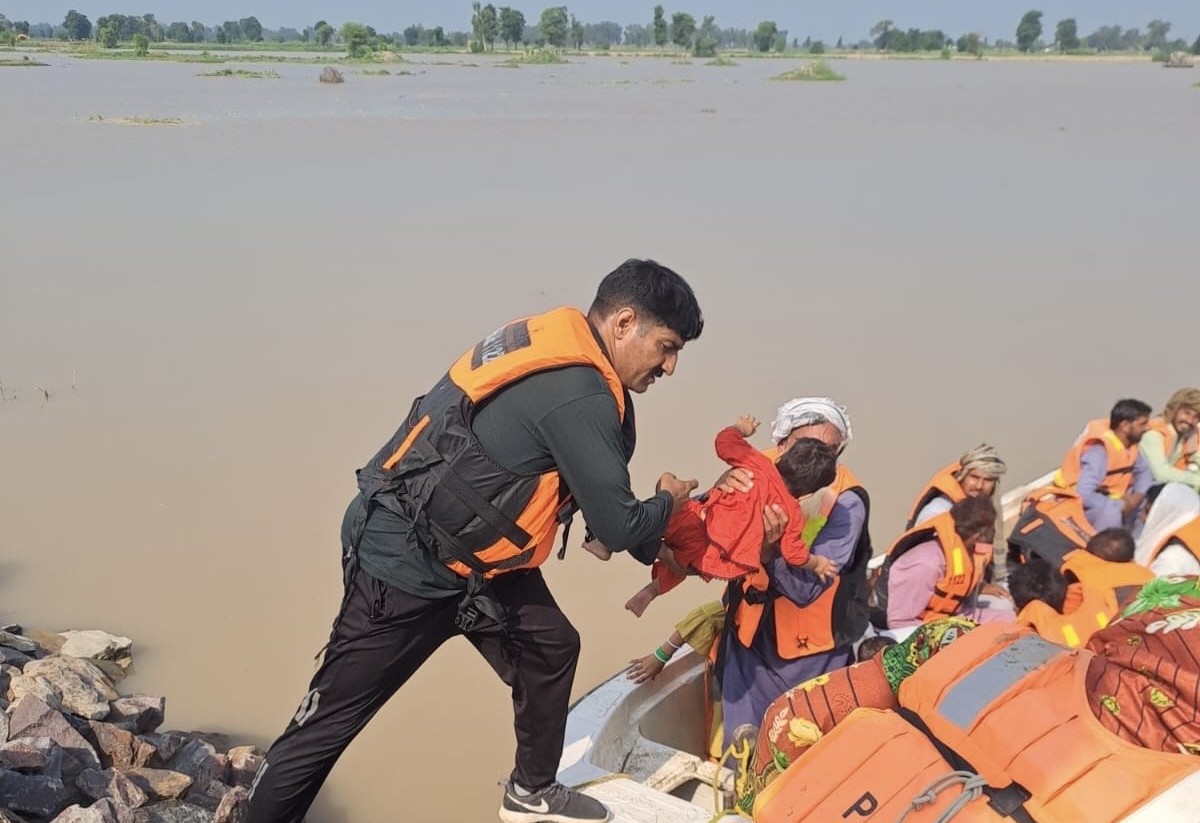
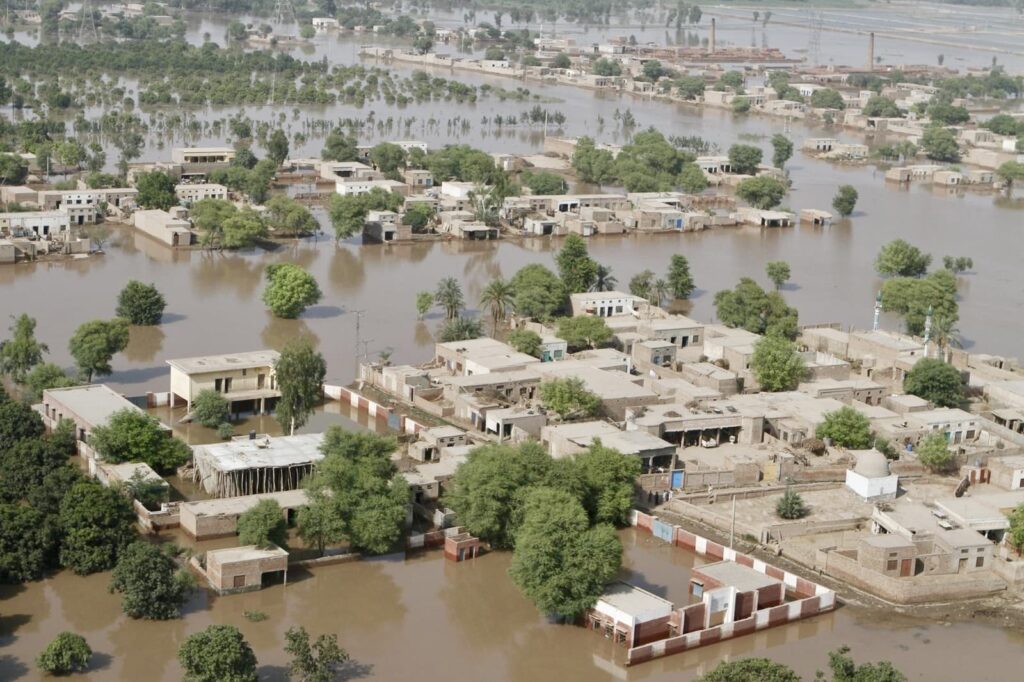
The report about the state of water in 2024 comes at a time when floods have upended lives of millions of people in countries like India and Pakistan.
Pakistan, which in recent years has gone through immense vagaries of climes from incessant Monsoon rains in Punjab to dry winter spells in parts of Balochistan and Sindh deserts to eroding glaciers in the northern mountains may be a microcosm of extreme water-related global scenario.
The report released Thursday says only about a third of the world’s river basins experienced “normal” conditions in 2024. The rest were either too dry or too wet — marking six straight years of hydrological instability. The consequences are widespread and worsening: lost crops, displaced families, stressed ecosystems, and economies pushed to the brink.
Glaciers continued their retreat for the third consecutive year, with an alarming 450 gigatons of ice lost — equivalent to filling 180 million Olympic-sized swimming pools. Many smaller glaciers are nearing or have already surpassed their peak water point — the moment when meltwater runoff is at its highest before permanently declining due to glacier shrinkage. That spells long-term water insecurity for millions downstream.
The picture in 2024 was one of deep contrasts:
- Southern Africa and the Amazon Basin suffered devastating drought.
- Central, western, and eastern Africa, parts of Asia, and Central Europe saw abnormally heavy rainfall and flooding.
- River systems like the Amazon, São Francisco, and Zambezi experienced severely low discharge levels, while rivers such as the Danube, Ganges, and Indus were swollen by excess water.
- Nearly all of the 75 major lakes studied saw record-high temperatures in July, threatening both water quality and aquatic ecosystems.

These water extremes are now being driven by larger climatic shifts. 2024 was the hottest year on record, with El Niño further disrupting weather patterns and intensifying the divide between wet and dry regions.
Groundwater — a crucial buffer in times of drought — is also under strain. Only 38% of global monitoring wells reported normal levels. The rest showed either deficits or surpluses, reflecting over-extraction in some places and flooding in others.
This chaotic picture underscores a deeper truth: despite the abundance of water on our planet, safe and reliable access to it is slipping further out of reach for billions.
An estimated 3.6 billion people already face water scarcity for at least one month each year — a number projected to rise to over 5 billion by 2050. This puts the world far off track from achieving Sustainable Development Goal 6: clean water and sanitation for all.
“Water sustains our societies, powers our economies, and anchors our ecosystems,” said WMO Secretary-General Celeste Saulo. “Yet the world’s water resources are under growing pressure, and extreme water-related hazards are having an increasing impact on lives and livelihoods.”
The WMO stresses that better data and cooperation are urgently needed. Without accurate monitoring and transparent sharing of water data, managing this crisis is like flying blind.
In a world of floods and droughts, where some regions are drowning while others dry up, the old words ring truer than ever:
“Water, water, everywhere, nor any drop to drink.”
Now, that poetic warning has become a scientific and humanitarian alarm.

Ali Imran is a Washington-based journalist, who has worked for leading world news organizations as a correspondent, expert and in editorial positions. He is a published author and poet.